Blog
Benefits of Retrofitting Commercial HVAC Systems
Discover the remarkable advantages of retrofitting commercial HVAC systems! From reduced energy costs and improved indoor comfort to enhanced…
In brief
Discover the remarkable advantages of retrofitting commercial HVAC systems! From reduced energy costs and improved indoor comfort to enhanced…
By the Best Owner Direct team
Locally operated HVAC · Cornelius, OR · CCB# 199049

Discover the remarkable advantages of retrofitting commercial HVAC systems! From reduced energy costs and improved indoor comfort to enhanced environmental sustainability and extended equipment lifespan.
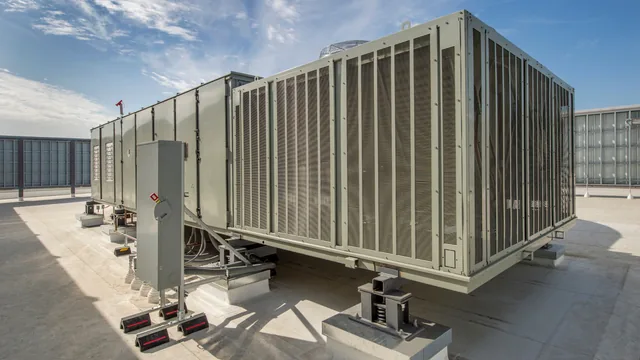
The modern business world has become increasingly conscious of energy efficiency, cost-effectiveness, and sustainability. A key area where these factors come into play is in the maintenance and upgrading of commercial HVAC systems. Retrofitting, the process of integrating new, cutting-edge components into existing systems, has emerged as a popular solution.
By retrofitting commercial HVAC systems, businesses can significantly improve performance, reduce energy consumption, and lower overall operational costs. This article delves into the numerous advantages of retrofitting commercial HVAC systems, offering valuable insights into how this innovative approach can optimize the performance of your heating and cooling infrastructure while contributing to a greener, more cost-effective work environment.
Why You Should Retrofit Your Commercial Building
A full HVAC unit replacement can be a substantial upfront investment and disrupt the business flow for commercial enterprises. Nevertheless, an aging system can also elevate costs in the form of increased energy expenses and repair expenditures.
Most commercial heating and cooling components can last between 15 to 20 years. However, there will come a time when part replacement and upgrades will be essential to maintaining your indoor air quality and climate control efficiency.
Retrofitting allows new components to be integrated into existing ones, enhancing efficiency and performance without the cost of a complete changeover.
What are Common Retrofitting Options?
Various factors influence retrofit projects. Some commercial building owners want to save money on repairs, while others need to update old equipment to EPA standards. Heating and cooling retrofit options depend on the building's current installations and needs. However, some standard services are:
- Ductwork replacement or upgrades
- Installing condenser fan controls
- Adding demand control ventilation
- Automation systems like smart temperature and humidity controls
5 Benefits of Retrofitting Your Commercial Building
If you are unsure about retrofitting your commercial HVAC system or have questions about the advantages, here are a few reasons our factory-trained technicians might recommend retrofitting your commercial building.
1. Reduced Utility Costs
An efficiently functioning HVAC system leads to improved efficiency and lower energy costs. Upgrading components through retrofitting can result in reduced utility expenses. With modern Energy Star parts and smart thermostat technology, you can further enhance your efficiency, leading to even more cost savings. The higher the rating, the more efficient the component, which translates to lower bills over time.
2. Access to Green and Energy Efficient Parts
LEED certification, green building materials, and energy efficiency are becoming increasingly popular for buildings. Modern equipment provides more environmentally friendly options, so retrofitting can give your commercial HVAC unit greener alternatives.
3. Reduced Repair Costs
As HVAC mechanisms deteriorate, businesses and property owners often notice frequent repairs. By installing new components, retrofitting relieves the need for unnecessary repairs on worn-down parts.
New components often come with warranties, so if there are any issues with the upgraded parts, the repair is covered. Ensure you keep up with your routine and preventative maintenance to keep your warranties valid.
4. Improved Indoor Air Quality
Poor air quality is linked to allergies and illnesses affecting your commercial property's occupants. Retrofitting new air filtration components can enhance healthy airflow by filtering out dirt, dust, and other contaminants.
5. EPA Compliance
In an effort to improve environmental causes, the EPA will sometimes phase out components or chemicals. For example, the recent phase-out of R22 refrigerant, which began in 2020, is an effort to promote ozone health. Retrofitting old parts with the latest models helps keep your equipment in line with EPA standards.
Key Takeaway
In conclusion, retrofitting commercial HVAC systems presents a practical and environmentally responsible approach to optimizing the performance and efficiency of heating and cooling infrastructure. By updating and integrating modern components into existing systems, businesses can significantly reduce utility costs, enhance indoor air quality, comply with EPA regulations, and minimize repair expenses.
Furthermore, retrofitting projects contribute to adopting green and energy-efficient technologies, aligning with the growing trend towards sustainable and eco-friendly business practices. Investing in a retrofit project ensures the longevity and effectiveness of your commercial HVAC system and demonstrates a commitment to environmental stewardship and responsible resource management.
Talk it through with our team
Have a question this article didn't answer for your home?
No call center, no pressure — our own technicians give the advice and stand behind the work.
Recent Posts
- Why Blocked Air Vents Cause Heating Problems During Fall Startup
- How Often Should You Schedule Professional Mini Split Service?
- Why Checking Air Vents for Your House is the Most Crucial Fall Maintenance Step
- Mini Split vs Central Ductwork: A Quick Start Guide
- The Real Reason Your Heat Pump Blows Cooler Air Than a Gas Furnace
Talk to Our Team
Family-owned · Licensed & insured · After-hours emergency on-call across the Tualatin Valley & Portland metro.
(503) 442-5964 Schedule ServiceContinue reading
Related from the Blog
Blog
Why Blocked Air Vents Cause Heating Problems During Fall Startup
Read articleBlog
How Often Should You Schedule Professional Mini Split Service?
Schedule professional mini split service annually, or twice yearly in Oregon for year-round comfort, efficiency, and warranty protection.
Read articleBlog
Why Checking Air Vents for Your House is the Most Crucial Fall Maintenance Step
Read articleOne call does it
Educated homeowners make our favorite customers.
Call Best Owner Direct or book online — honest, straightforward service across the Tualatin Valley & Portland metro.
Locally operated · Licensed CCB# 199049 · 1-Year Workmanship Warranty