Blog
Does Your Air Conditioner Smell? Here's What It Means
Air Conditioner that smells means there's something wrong with your unit. Find out what are the possible reasons for that below. It's not uncommon for…
In brief
Air Conditioner that smells means there's something wrong with your unit. Find out what are the possible reasons for that below. It's not uncommon for…
By the Best Owner Direct team
Locally operated HVAC · Cornelius, OR · CCB# 199049

Air Conditioner that smells means there's something wrong with your unit. Find out what are the possible reasons for that below.
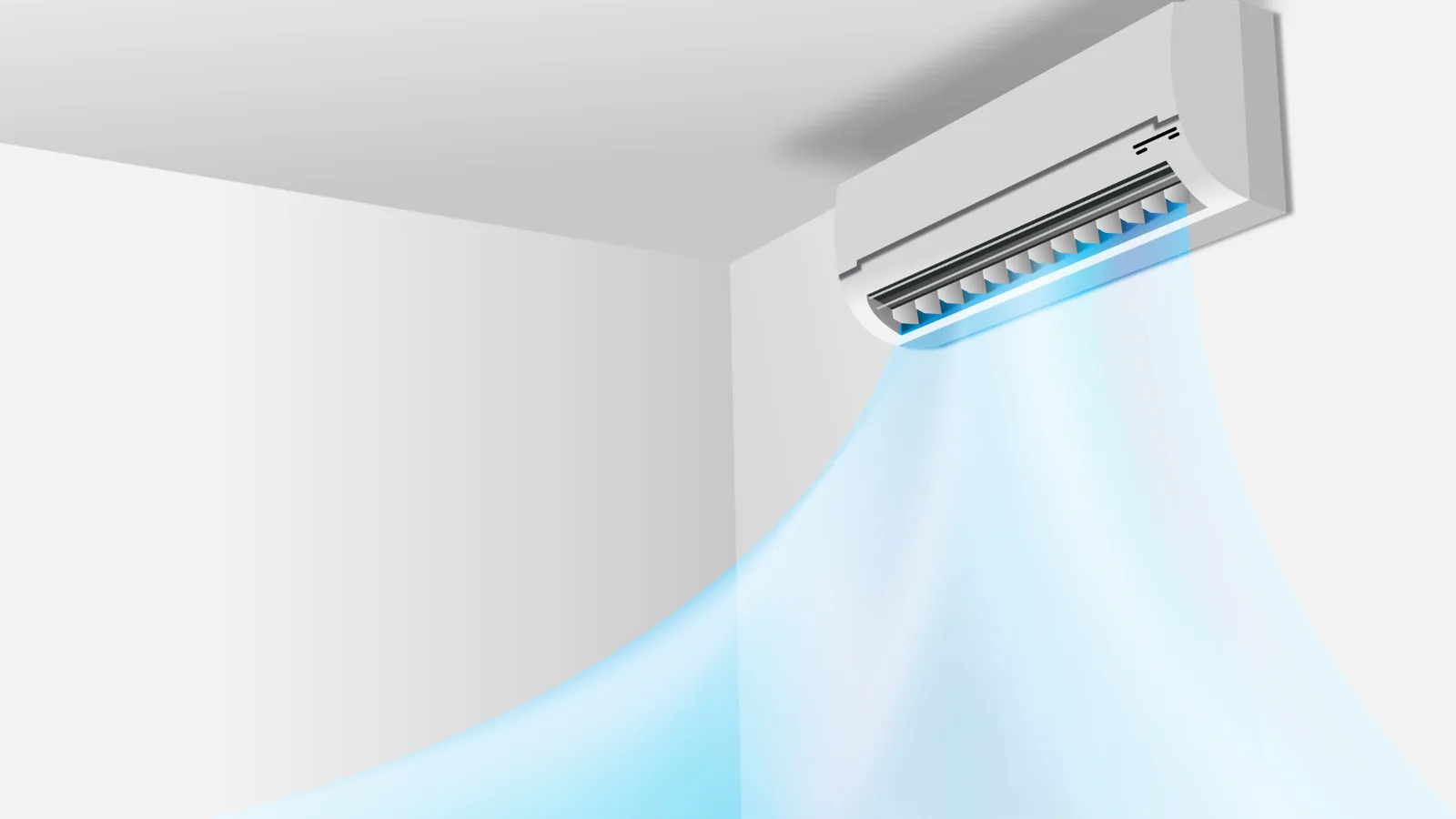
It's not uncommon for homeowners to notice unpleasant smells emanating from their air conditioning systems. These odors can be frustrating and concerning, but understanding the reasons behind them is the first step to resolving the issue. In this article, we will explore the common causes of air conditioner smells, prevention tips, and when to seek professional help to ensure a clean and healthy indoor environment.
Common Causes of Air Conditioner Smells
1. Mold and Mildew Growth
Mold and mildew can thrive in the damp and dark environment of an air conditioning system. When this happens, the growth can produce a musty smell that permeates throughout your home. Exposure to mold and mildew can lead to health problems, particularly for individuals with allergies, asthma, or weakened immune systems.
To prevent mold and mildew growth, ensure proper ventilation and airflow throughout your home. Regularly clean and inspect your air conditioner's components, paying close attention to the drain lines and evaporator coils. Using a dehumidifier can also help maintain a lower humidity level, making it more difficult for mold and mildew to grow.
2. Stagnant Water in the Drain Pan
Standing water in your air conditioner's drain pan can lead to unpleasant odors, as bacteria and mold begin to grow. This problem can arise from a clogged drain line or a malfunctioning condensate pump. To resolve this issue, check for any blockages in the drain line and clean it if necessary. If the problem persists, consider contacting a professional to inspect and repair the condensate pump.
3. Dirty Air Filters
Air filters are designed to capture dust, pollen, and other particles before they enter your home. Over time, these filters can become clogged with debris, leading to a reduced airflow and an unpleasant odor. It's essential to replace or clean your air filters regularly, depending on the type of filter you use. A good rule of thumb is to check your filters every 30-60 days, especially during peak usage months.
4. Clogged or Dirty Evaporator Coils
Evaporator coils are responsible for absorbing heat from the air and cooling it before it's distributed throughout your home. When these coils become dirty or clogged with debris, they can become less efficient and produce an unpleasant smell. Regular maintenance, including cleaning the coils and removing any debris, can help prevent this issue.
5. Burning Smell from Electrical Issues
If you notice a burning smell coming from your air conditioner, it's essential to address the problem immediately, as this could indicate an electrical issue. Potential causes include overheating components, damaged wiring, or a failing motor. In these cases, it's crucial to contact a professional HVAC technician to assess and repair the issue, as it can pose a significant safety risk.
How to Prevent Air Conditioner Smells
- Regular maintenance and cleaning: Scheduling routine maintenance checks and keeping your air conditioner clean can prevent many common odor issues.
- Proper ventilation and air circulation: Ensuring that your home has adequate ventilation can help prevent the growth of mold and mildew.
- Humidity control: Using a dehumidifier or air conditioner to maintain a lower humidity level can make it more difficult for mold and mildew to thrive.
- Use of air purifiers: Air purifiers can help to remove airborne particles and unpleasant odors, improving the overall air quality in your home.
When to Contact Best Owner Direct HVAC for Lingering AC Odors
It's essential to seek professional help in the following situations:
- If the unpleasant odor persists or worsens despite your efforts to address the problem.
- If you suspect electrical or mechanical issues, as these can pose significant safety risks.
- If there's visible mold or mildew growth that requires remediation.
Addressing unpleasant smells from your air conditioner is crucial for maintaining a clean and healthy indoor environment. By understanding the common causes of these odors and implementing preventative measures, you can minimize their occurrence and ensure the comfort of your home. In some cases, it may be necessary to contact a professional HVAC technician at Best Owner Direct HVAC to diagnose and resolve more complex issues. Taking prompt action when you detect an unusual smell from your air conditioner can help prevent potential health risks and safeguard your home's air quality.
Talk it through with our team
Have a question this article didn't answer for your home?
No call center, no pressure — our own technicians give the advice and stand behind the work.
Recent Posts
- Why Blocked Air Vents Cause Heating Problems During Fall Startup
- How Often Should You Schedule Professional Mini Split Service?
- Why Checking Air Vents for Your House is the Most Crucial Fall Maintenance Step
- Mini Split vs Central Ductwork: A Quick Start Guide
- The Real Reason Your Heat Pump Blows Cooler Air Than a Gas Furnace
Talk to Our Team
Family-owned · Licensed & insured · After-hours emergency on-call across the Tualatin Valley & Portland metro.
(503) 442-5964 Schedule ServiceContinue reading
Related from the Blog
Blog
Why Blocked Air Vents Cause Heating Problems During Fall Startup
Read articleBlog
How Often Should You Schedule Professional Mini Split Service?
Schedule professional mini split service annually, or twice yearly in Oregon for year-round comfort, efficiency, and warranty protection.
Read articleBlog
Why Checking Air Vents for Your House is the Most Crucial Fall Maintenance Step
Read articleOne call does it
Educated homeowners make our favorite customers.
Call Best Owner Direct or book online — honest, straightforward service across the Tualatin Valley & Portland metro.
Locally operated · Licensed CCB# 199049 · 1-Year Workmanship Warranty