Blog
What To Do If Your Air Conditioner Is Not Cooling Your House
It's a hot summer day, and you're looking forward to enjoying some cool relief in your home. However, you soon realize that even though your air…
In brief
It's a hot summer day, and you're looking forward to enjoying some cool relief in your home. However, you soon realize that even though your air…
By the Best Owner Direct team
Locally operated HVAC · Cornelius, OR · CCB# 199049

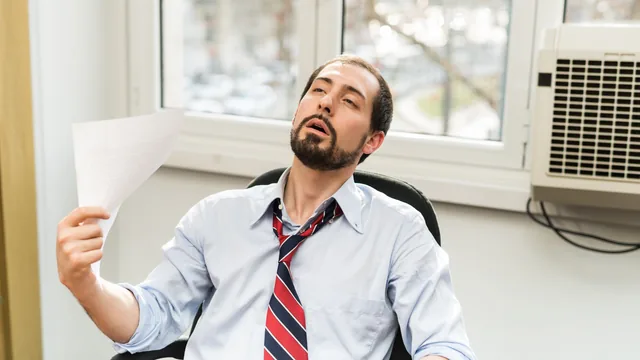
It's a hot summer day, and you're looking forward to enjoying some cool relief in your home. However, you soon realize that even though your air conditioner is running, it's not cooling your house. What should you do in such a situation? Don't worry! We've got you covered. In this article, we'll explore some common reasons for this issue and provide actionable steps to help you troubleshoot and resolve the problem.
Start with the Fundamentals
1. Check Your Thermostat Settings
Before diving into more complex issues, it's essential to verify that your thermostat is set correctly. Ensure that it's set to "cool" mode and that the desired temperature is lower than the current indoor temperature. Sometimes, a simple adjustment to your thermostat settings is all it takes to restore optimal cooling.
2. Inspect Your Air Filter
A dirty air filter can significantly impact your air conditioner's performance, causing it to struggle to cool your home. Regularly inspect and replace your air filter according to the manufacturer's guidelines, typically every 1-3 months. A clean air filter allows your air conditioner to work more efficiently, leading to better cooling and energy savings.
3. Investigate Common Issues
- Examine the Outdoor Unit
If your indoor unit is running, but your house isn't cooling down, it's time to check your outdoor unit. Inspect it for any debris, such as leaves, grass, or dirt, that may be obstructing airflow. Clean the surrounding area and remove any debris to ensure proper airflow and cooling efficiency.
- Evaluate the Condenser Coil
The condenser coil, located in the outdoor unit, plays a vital role in releasing heat from your home. A dirty condenser coil can lead to poor cooling performance. Check the coil for dirt, debris, or damage, and clean it if necessary. If you're unsure how to clean the coil or suspect it may be damaged, it's best to contact a professional HVAC technician for assistance.
- Assess Refrigerant Levels
Low refrigerant levels can cause your air conditioner to run without effectively cooling your home. If you suspect that your system may be low on refrigerant, you should contact a professional HVAC technician to check the levels and recharge the system if needed. Remember that refrigerant leaks can be hazardous, so it's crucial to have a professional diagnose and repair any leaks.
Consider Advanced Troubleshooting
- Evaluate Your Ductwork
Damaged or leaking ductwork can significantly impact your air conditioner's ability to cool your home. Inspect your ductwork for any signs of damage, such as holes or disconnected sections. If you discover any issues, it's best to contact an HVAC professional to evaluate and repair your ductwork.
- Inspect Your Blower Motor
The blower motor in your air conditioner circulates cooled air throughout your home. If it's not working correctly, your air conditioner may run but not provide adequate cooling. Listen for any unusual noises or vibrations coming from the indoor unit, which may indicate a blower motor issue. If you suspect a problem, contact an HVAC technician to diagnose and repair the issue.
- Consider System Age and Efficiency
If you've gone through all the troubleshooting steps and your air conditioner still isn't cooling your home, it may be due to the age and efficiency of your system. Older systems are typically less efficient and may struggle to cool your home adequately. In such cases, it's worth considering upgrading to a new, energy-efficient system, which can provide better cooling performance and lower your energy bills.
Conclusion
Dealing with an air conditioner that's running but not cooling your house can be a frustrating experience, especially during hot summer days. By following the troubleshooting steps mentioned in this article, you can identify and resolve many common issues that may be affecting your system's cooling performance. Start with the fundamentals, such as checking thermostat settings and air filters, before moving on to more advanced troubleshooting, like inspecting your outdoor unit, condenser coil, refrigerant levels, ductwork, and blower motor.
If you're unable to identify the issue or feel uncomfortable performing any of these steps, it's always a good idea to contact a professional HVAC technician for assistance. We can diagnose the problem and recommend appropriate repairs or upgrades to ensure that your air conditioner is functioning optimally and keeping your home comfortable.
Remember that regular maintenance is crucial for keeping your air conditioning system in top shape. By scheduling annual maintenance with a professional technician, you can prevent many common issues, extend your system's lifespan, and enjoy a cool and comfortable home all summer long.
Talk it through with our team
Have a question this article didn't answer for your home?
No call center, no pressure — our own technicians give the advice and stand behind the work.
Recent Posts
- Why Blocked Air Vents Cause Heating Problems During Fall Startup
- How Often Should You Schedule Professional Mini Split Service?
- Why Checking Air Vents for Your House is the Most Crucial Fall Maintenance Step
- Mini Split vs Central Ductwork: A Quick Start Guide
- The Real Reason Your Heat Pump Blows Cooler Air Than a Gas Furnace
Talk to Our Team
Family-owned · Licensed & insured · After-hours emergency on-call across the Tualatin Valley & Portland metro.
(503) 442-5964 Schedule ServiceContinue reading
Related from the Blog
Blog
Why Blocked Air Vents Cause Heating Problems During Fall Startup
Read articleBlog
How Often Should You Schedule Professional Mini Split Service?
Schedule professional mini split service annually, or twice yearly in Oregon for year-round comfort, efficiency, and warranty protection.
Read articleBlog
Why Checking Air Vents for Your House is the Most Crucial Fall Maintenance Step
Read articleOne call does it
Educated homeowners make our favorite customers.
Call Best Owner Direct or book online — honest, straightforward service across the Tualatin Valley & Portland metro.
Locally operated · Licensed CCB# 199049 · 1-Year Workmanship Warranty