Menu


Why Beaverton Homeowners Are Switching to Tankless Water Heaters
If you're searching for the best tankless water heater in Beaverton, OR, you're likely tired of running out of hot water during back-to-back showers or frustrated by high energy bills from a traditional tank that keeps water hot 24/7. Beaverton homeowners are finding that tankless systems deliver endless hot water, slash utility costs by up to 30%, and free up valuable space in utility closets and basements. Unlike storage tanks that constantly reheat water whether you need it or not, tankless units activate only when you turn on the tap—meaning less waste, lower bills, and cleaner water that never sits stagnant in a tank.
Top Tankless Water Heater Options for Beaverton Homes:
- Rinnai Indoor Models – Best for whole-home needs with flow rates up to 7.5 GPM
- EcoSmart ECO Series – Ideal for small households and point-of-use installations (2-5 GPM)
- Rheem Professional Classic – Top choice for energy efficiency with ENERGY STAR certification
- Noritz Outdoor Units – Perfect for homes without indoor space or ventilation concerns
Considering a water heater upgrade in Beaverton? Best Owner Direct HVAC & Electrical can help you select and install the right tankless system for your home's specific demands.
Tankless water heaters work by heating water only when you need it—cold water flows through the unit, gets heated by a gas burner or electric element, then flows to your tap within seconds. This on-demand approach eliminates the standby heat loss that drains energy from traditional tanks. Many tankless models are ENERGY STAR certified, and with water heating accounting for 20% of the average home's energy use, the switch can lead to meaningful long-term savings. These compact units mount on walls, making them perfect for Beaverton's older homes where space is at a premium.
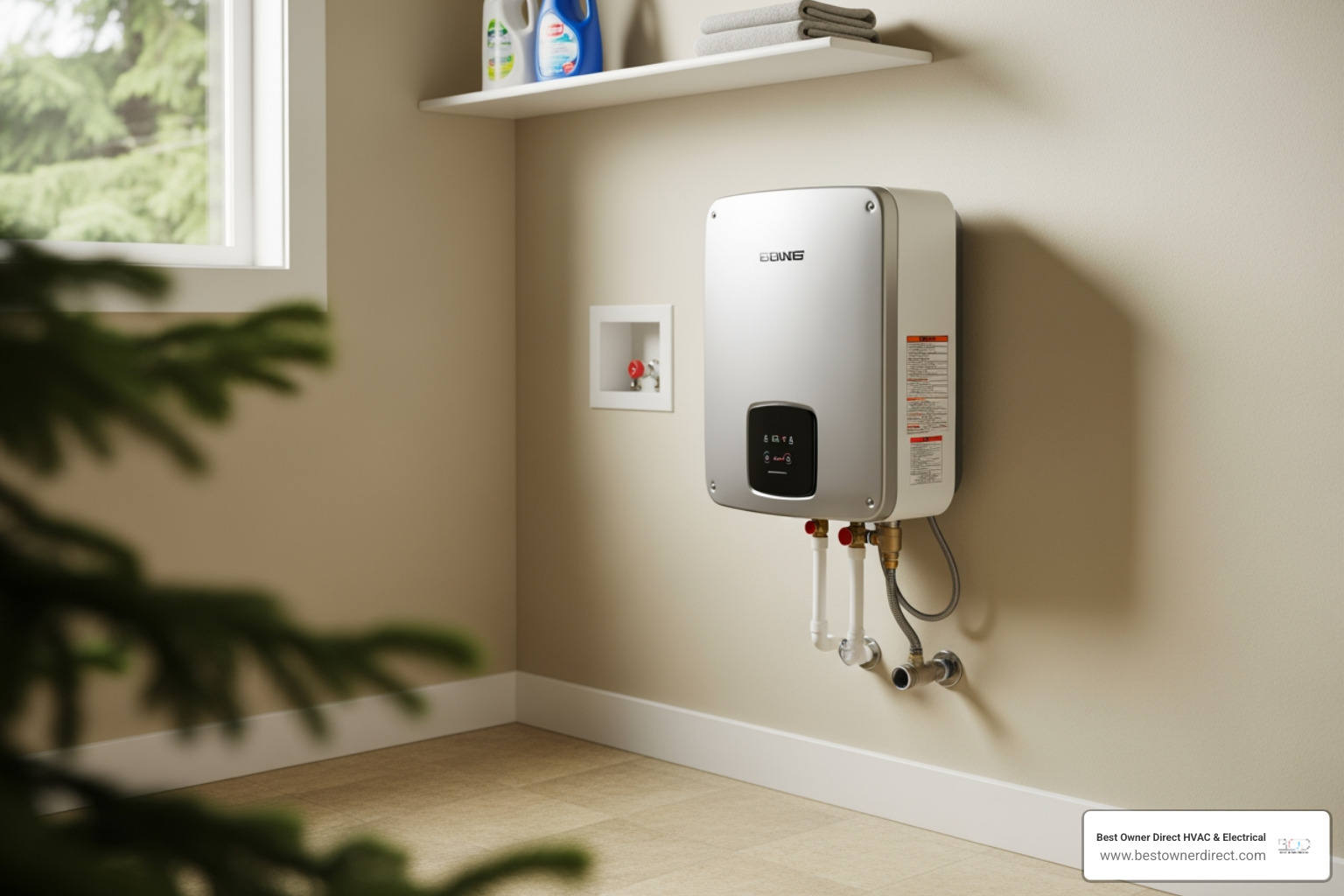
The Core Benefits of Going Tankless
For Beaverton, OR, homeowners, installing a tankless water heater is often about greater efficiency, comfort, and peace of mind. Let's explore the core benefits of these on-demand systems:
- Energy Savings and Reduced Utility Bills: This is a compelling reason for the switch. Traditional tank heaters constantly heat water, even when not in use, causing "standby heat loss." Tankless units only activate on demand. This on-demand heating leads to significant energy savings, potentially cutting water heating energy use by up to 30%. Since water heating is 20% of a home's energy use, these savings add up on monthly bills. Many tankless models are ENERGY STAR® certified, ensuring superior efficiency.
- Endless Hot Water, On-Demand Convenience: Tired of cold showers? With a tankless water heater, that's a problem of the past. These systems heat water as it flows through, providing a continuous supply of hot water. This means you can run the dishwasher, do a load of laundry, and have multiple family members shower back-to-back without ever running out. It's the ultimate convenience for busy Beaverton households.
- Longer Lifespan: Tankless water heaters are built to last. With proper maintenance, these units can enjoy a lifespan of 20 years or more, significantly outlasting traditional tank heaters, which typically last between 10 to 15 years. This extended durability means fewer replacements over time, offering better long-term value for your investment.
- Cleaner Water: Unlike tank-style heaters where water sits in a reservoir, potentially accumulating rust and sediment over time, tankless systems heat fresh water directly from your main line. This means the hot water flowing to your taps is cleaner and fresher, as it hasn't been stored.
- Space-Saving Design: Traditional water heaters are bulky appliances that can take up valuable floor space in utility closets, basements, or garages. Tankless units are compact and wall-mounted, freeing up significant square footage. This is a huge advantage for homes in Beaverton, OR, especially those with limited utility space or smaller footprints.
The combination of these benefits makes tankless water heaters an attractive upgrade for many homeowners. To learn more about how a tankless system can improve your home's comfort and efficiency, visit our main water heater page.
Tank vs. Tankless: A Head-to-Head Comparison
Choosing the right water heater for your Beaverton home involves understanding the fundamental differences between traditional tank and modern tankless systems. While both aim to provide hot water, they do so in distinct ways that impact energy use, hot water availability, and overall home comfort. Let's compare them side-by-side:
| Feature | Traditional Tank Water Heater | Tankless Water Heater |
|---|---|---|
| Energy Efficiency | High standby heat loss; continuously heats stored water. | On-demand heating; heats water only when needed, reducing standby loss. |
| Hot Water Supply | Limited by tank size; can run out during peak demand. | Endless supply; heats water continuously as it flows. |
| Lifespan | Typically 10-15 years. | 20+ years with proper maintenance. |
| Space Requirement | Large, bulky unit; requires dedicated floor space. | Compact, wall-mounted; frees up valuable floor space. |
| Maintenance | Annual sediment flush to remove buildup. | Annual descaling to prevent mineral buildup, filter inspection. |
Understanding Key Differences
Beyond the table, a deeper dive into specific metrics helps clarify why tankless systems are gaining popularity among Beaverton residents:
- Flow Rate (GPM) vs. First-Hour Rating: These are the primary indicators of a water heater's capacity.
- First-Hour Rating (FHR): This applies to traditional tank water heaters. It measures the number of gallons of hot water a tank can deliver in an hour, starting with a full tank. You'll find this on the EnergyGuide label. When sizing a traditional unit, we look at your household's peak hourly demand to ensure the FHR can meet it.
- Gallons Per Minute (GPM): This is the key metric for tankless water heaters. It indicates how many gallons of hot water the unit can produce per minute at a specific temperature rise. For example, a typical shower uses about 2 gallons per minute. If you want to run your dishwasher (around 1 GPM) while someone showers, you'd need a unit with a GPM of at least 3.5 to accommodate both comfortably. Understanding your household's simultaneous hot water needs is crucial for sizing a tankless unit correctly.
- Standby Heat Loss: This is the main weakness of traditional tank heaters. They store hot water 24/7, so heat escapes through the tank walls. This constant heat loss means the heater is always working, consuming energy. Tankless systems eliminate this by heating water only on demand, leading to greater energy efficiency.
- Uniform Energy Factor (UEF): This is a critical metric used to rate the overall energy efficiency of all types of water heaters. A higher UEF indicates a more efficient unit. When comparing tankless models, we always consider their UEF ratings, as this directly correlates to your long-term energy savings. For instance, some Rheem electric models boast UEF ratings up to .96, while gas models can reach up to .82, showcasing their superior efficiency compared to older systems.
Upgrading your water heater is a significant investment, and understanding these differences is vital for making an informed decision for your home. Our team can help you steer the options for a seamless water heater replacement in Beaverton, OR.
Finding the Best Tankless Water Heater in Beaverton, OR
Choosing the best tankless water heater in Beaverton, OR, means considering your household's unique needs, the unit's capacity, fuel type, and even local climate factors. It's not a one-size-fits-all decision, but with the right guidance, we can help you find the perfect fit.
Sizing Your Unit: The GPM Factor
The most important factor in selecting a tankless water heater is its Gallons Per Minute (GPM) rating. This indicates how much hot water the unit can deliver continuously. To determine the right GPM for your home, we'll assess:
- Number of people in your household: More people generally mean higher simultaneous hot water demand.
- Number of hot water fixtures: Showers, bathtubs, dishwashers, washing machines, and sinks all draw hot water.
- Simultaneous usage: Will multiple showers be running at once? Dishwasher and laundry at the same time?
For example, a typical shower uses about 2 GPM. If you often run a shower and a dishwasher (which might use 1 GPM) simultaneously, you'd need a unit with at least a 3.5 GPM capacity to ensure consistent hot water. We'll help you calculate your peak demand to ensure your new tankless unit keeps up with your family's lifestyle.
Fuel Type: Gas vs. Electric
Tankless water heaters come in two primary fuel types, each with its own advantages:
- Gas-Powered Tankless Water Heaters: These units are more efficient for heating large water volumes, ideal for high-demand Beaverton households. They can run several appliances at once without a temperature drop. A key advantage is they work during a power outage since they don't rely on the main electrical system for heating (though some parts need a small power source). Gas units do require proper ventilation to exhaust combustion gases safely.
- Electric Tankless Water Heaters: While typically more affordable to purchase, electric models are less efficient at heating water compared to gas units. They are often best suited for smaller households, point-of-use applications (like a single bathroom or sink), or homes where natural gas isn't readily available. Electric tankless water heaters will not provide hot water during a power outage unless paired with a battery backup system.
Beaverton's Climate Needs
Our local climate in Beaverton, OR, plays a role in water heater performance. Cooler incoming water temperatures mean your water heater has to work harder to bring the water up to your desired temperature. This is why accurately sizing your unit, especially in terms of GPM, is so important. We ensure the unit we recommend has the capacity to handle our local water temperatures, guaranteeing you consistent hot water even on the chilliest days.
For High-Demand Households
If your Beaverton home is busy with activity—multiple family members, several bathrooms, and frequent use of dishwashers and washing machines—you'll want a tankless system designed for high demand.
- High GPM Needs: We'll focus on units with higher GPM ratings, typically 6 GPM and above, to ensure a comfortable hot water supply for simultaneous use.
- Gas-Powered Units: For whole-home solutions and high-demand scenarios, gas-powered tankless water heaters are often the superior choice due to their greater heating capacity and efficiency. Models like the Rinnai Indoor Tankless Hot Water Heater, with flow rates up to 7.5 GPM, are excellent examples of units that can easily meet the needs of a large household.
- Whole-Home Solutions: Our goal is to provide a comprehensive system that can deliver endless hot water to every faucet and appliance in your home, ensuring comfort for everyone.
For more information on solutions custom to the Beaverton area, visit our Beaverton, OR locations page.
For Compact Living & Small Spaces
Beaverton's diverse housing includes many smaller homes, apartments, and condos where space is a premium. Tankless water heaters are a fantastic solution for these situations.
- Point-of-Use Models: For homes with specific hot water needs in certain areas, point-of-use tankless heaters can be installed directly where hot water is needed, reducing wait times and further saving energy.
- Electric Units: These are often ideal for smaller spaces or point-of-use applications due to their compact size and simpler installation requirements (no gas lines or venting needed). The EcoSmart ECO 11 Electric Tankless Water Heater, with a flow rate of 1.3–3.1 GPM, is a great example for small households of one or two people.
- Under-Sink Installation: The compact nature of many electric tankless units allows for installation in discreet locations, such as under a kitchen sink, providing instant hot water right where you need it most.
For Maximum Energy Efficiency
For homeowners committed to reducing their carbon footprint and maximizing long-term savings, certain tankless water heater features stand out.
- ENERGY STAR® Certified Models: Always look for the ENERGY STAR® label when selecting a tankless water heater. These models meet strict energy efficiency guidelines set by the U.S. Environmental Protection Agency, ensuring you get a unit that's designed to save energy and money. Many tankless units are ENERGY STAR® certified, making them a top choice for eco-conscious Beaverton residents. You can find excellent options by visiting http://energystar.gov/.
- Condensing Technology: Gas tankless water heaters can be either condensing or non-condensing. Condensing units are the more energy-efficient choice. They feature a secondary heat exchanger that captures heat from the exhaust gases, preheating the incoming cold water. This innovative design allows them to extract more heat from the fuel, leading to higher efficiency ratings and greater energy savings over time. While they might have a slightly higher upfront cost, the long-term energy savings often make them a worthwhile investment.
We can also help you explore potential incentives. Energy Trust of Oregon offers various programs to encourage energy-efficient upgrades. You can learn more and apply for incentives through their portal: Apply Now.
Installation and Maintenance: A Beaverton-Specific Guide
Installing and maintaining a tankless water heater in Beaverton, OR, involves specific considerations to ensure optimal performance, efficiency, and longevity. It's not just about picking the right unit; it's also about understanding the local environment and installation requirements.
Beaverton's Water Quality
One significant factor for tankless water heaters in our region is water quality. Beaverton's water, like much of the Pacific Northwest, can have varying levels of hardness. Hard water contains minerals like calcium and magnesium, which, when heated, can precipitate and form scale inside your tankless unit's heat exchanger.
- Hard Water Effects: Mineral buildup can reduce the efficiency of your tankless heater, restrict water flow, and eventually lead to system malfunctions if not addressed.
- Mineral Buildup: This scale acts as an insulator, forcing the unit to work harder and consume more energy to heat water, diminishing its energy-saving benefits.
This is why proper maintenance, particularly descaling, is so important for tankless water heaters in Beaverton.
Venting Requirements, Gas Line Upgrades, and Electrical Needs
The installation of a tankless water heater is a complex process that often requires modifications to your home's existing infrastructure:
- Venting Requirements: Gas-powered tankless water heaters generate exhaust gases that must be safely vented to the outside of your home. This prevents the buildup of harmful gases like carbon monoxide. Proper venting is crucial for safety and effective operation and requires adherence to local Beaverton codes.
- Gas Line Upgrades: If you're switching from an electric tank to a gas tankless unit, or if your existing gas line is undersized, an upgrade to a larger gas line may be necessary to meet the higher BTU demands of a tankless heater.
- Electrical Needs: While gas tankless units use electricity for ignition and controls, electric tankless units draw significant amperage. Your home's electrical panel and wiring may need upgrades to safely accommodate the power requirements of an electric tankless water heater.
Why Professional Installation is Crucial
We cannot stress enough the importance of professional installation for your tankless water heater. This is not a do-it-yourself project.
- Safety Compliance: Tankless water heaters involve complex connections to gas lines, electrical systems, and plumbing. Improper installation can lead to dangerous situations, including gas leaks, electrical hazards, or water damage. A professional ensures all connections are secure and up to code.
- Local Beaverton Codes: Our local professionals are intimately familiar with Beaverton's specific building codes and permit requirements. They'll ensure your installation meets all local regulations, avoiding potential fines or issues down the line.
- Proper Sizing: An experienced technician will accurately assess your household's hot water demands and the incoming water temperature to ensure your tankless unit is perfectly sized for optimal performance and efficiency. An undersized unit won't keep up, and an oversized one wastes energy.
- Warranty Protection: Many manufacturers require professional installation by a licensed technician to validate your warranty. Attempting a DIY installation could void your coverage, leaving you responsible for costly repairs.
- Optimal Performance: Only a professional can ensure your tankless water heater is installed and configured correctly for maximum efficiency and longevity. They'll handle the complex venting, gas line, or electrical modifications needed.
For reliable service and expert installation, trust us with your water heater repair in Beaverton, OR.
How to Maintain the best tankless water heater in Beaverton, OR
To ensure your tankless water heater continues to provide endless hot water efficiently for decades, regular maintenance is key. This is especially true given Beaverton's water quality.
- Annual Descaling / System Flushing: This is the most critical maintenance task for tankless units, particularly in areas with hard water. Descaling involves circulating a cleaning solution through the unit's heat exchanger to dissolve any mineral buildup. We recommend performing this once or twice a year to prevent efficiency loss and prolong the unit's life.
- Filter Inspection and Cleaning: Many tankless units have an inlet filter to catch sediment. Regularly inspecting and cleaning this filter helps maintain proper water flow and prevents debris from entering the system.
- Professional Check-ups: Scheduling annual professional check-ups allows our technicians to inspect all components, ensure proper operation, and catch any potential issues before they become major problems. We'll check gas pressure, electrical connections, and exhaust venting.
- Water Pressure Monitoring: Tankless water heaters require adequate water pressure to function properly. Excessively high water pressure can damage the unit, while consistently low pressure can lead to insufficient hot water. We can help you monitor and, if necessary, regulate your home's water pressure to protect your investment.
By following these maintenance best practices, you can ensure your best tankless water heater in Beaverton, OR, operates at peak efficiency for many years to come.
Frequently Asked Questions About Tankless Water Heaters in Beaverton
We understand that making the switch to a tankless water heater can bring up a lot of questions. Here, we address some of the most common inquiries from Beaverton homeowners.
Are there local rebates for installing a tankless water heater?
Yes! Investing in energy-efficient upgrades for your home can often qualify you for local rebates and incentives, and tankless water heaters are no prime exception.
- Energy Trust of Oregon: Energy Trust is a great resource for local homeowners. They often offer incentives for installing energy-efficient appliances like gas tankless water heaters, which can offset the initial cost. Applications usually must be received within 60 days of installation and take six to eight weeks to process. We can help with the application. Explore current offerings on their website: Apply Now.
- Local Utility Programs: Beyond Energy Trust, many local utility companies in Oregon offer their own energy-efficiency programs that can help with upgrade costs. It's always a good idea to check with your specific utility provider to see what incentives might be available in your area. You can find information on contacting your local utility here: Contact your local utility.
- Eligibility Requirements: Incentives often have specific criteria regarding the type of unit (e.g., ENERGY STAR® certified, specific UEF ratings), the installer (must be a trade ally contractor), and your utility provider. We stay up-to-date on these requirements to ensure you get all the savings you're entitled to.
We're here to help you understand what rebates you qualify for and assist with the necessary paperwork to make your tankless water heater investment even more affordable.
How long do tankless water heaters last compared to traditional ones?
The lifespan of a water heater is a significant factor in its overall value, and tankless units boast a clear advantage here.
- Tankless Lifespan (20+ years): With proper installation and diligent annual maintenance (especially descaling in areas with hard water like Beaverton), a tankless water heater can reliably serve your home for 20 years or even longer. This extended lifespan means you'll replace your unit less frequently, saving you money and hassle in the long run.
- Traditional Tank Lifespan (10-15 years): In contrast, traditional tank-style water heaters typically last between 10 to 15 years. Their internal components, particularly the tank itself, are more susceptible to corrosion and sediment buildup over time, leading to a shorter operational life.
- Maintenance Impact: The key to maximizing the lifespan of any water heater, but especially a tankless one, is consistent maintenance. Regular flushing and descaling directly combat the issues that lead to premature failure, ensuring your investment pays off for decades.
Will my tankless unit provide hot water during a power outage?
This is a common and excellent question, and the answer depends on the fuel type of your tankless water heater.
- Gas-Powered Models: Good news for gas tankless owners! Since gas water heaters aren’t directly connected to your home’s main electrical system for heating, they will generally still work if you experience a power outage. While they may have a small electronic ignition or control panel that requires a minimal amount of electricity, many models can operate with a small battery backup or manual ignition in such scenarios. This means you can still enjoy hot showers and clean dishes even when the lights are out.
- Electric-Powered Models: Electric tankless water heaters, however, rely entirely on electricity to power their heating elements. Therefore, if your home experiences a power outage, your electric tankless unit will still allow water to flow through it, but it will not be able to heat the water. You would need a robust battery backup system or a generator to power an electric tankless heater during an outage.
- Continuous Water Flow: Regardless of fuel type, both gas and electric tankless units will still allow cold water to flow through your taps during a power outage, just not heated water in the case of electric models.
When considering a tankless water heater for your Beaverton home, we'll discuss these factors to ensure you choose a system that aligns with your priorities, including resilience during power interruptions.
Your Next Step Towards Endless, Efficient Hot Water
We've explored why Beaverton homeowners choose tankless water heaters: endless hot water, reduced energy use, and longer appliance life. These compact, wall-mounted units save space, provide cleaner water, and offer significant long-term value.
The journey to finding the best tankless water heater in Beaverton, OR, involves understanding your household's unique needs, considering fuel types, and recognizing the importance of professional installation and consistent maintenance. With local climate and water quality in mind, we ensure that your tankless system is perfectly suited to thrive in your home.
At Best Owner Direct HVAC & Electrical, we pride ourselves on delivering reliable, affordable, and energy-efficient solutions with quality workmanship and customer care. We're committed to helping you achieve ultimate home comfort and safety.
Ready to experience the triumph of a tankless water heater in your Beaverton home? Let us guide you through the process, from expert selection to flawless installation.
Ready for an upgrade? Explore your options for tankless water heaters in Beaverton, OR.



Why Forest Grove Basements Need Specific Ventilation Strategies in FallAs September rains raise local water tables, your subterranean spaces can quickly become damp and musty. Find out if your home needs dedicated HVAC return air.
Read more
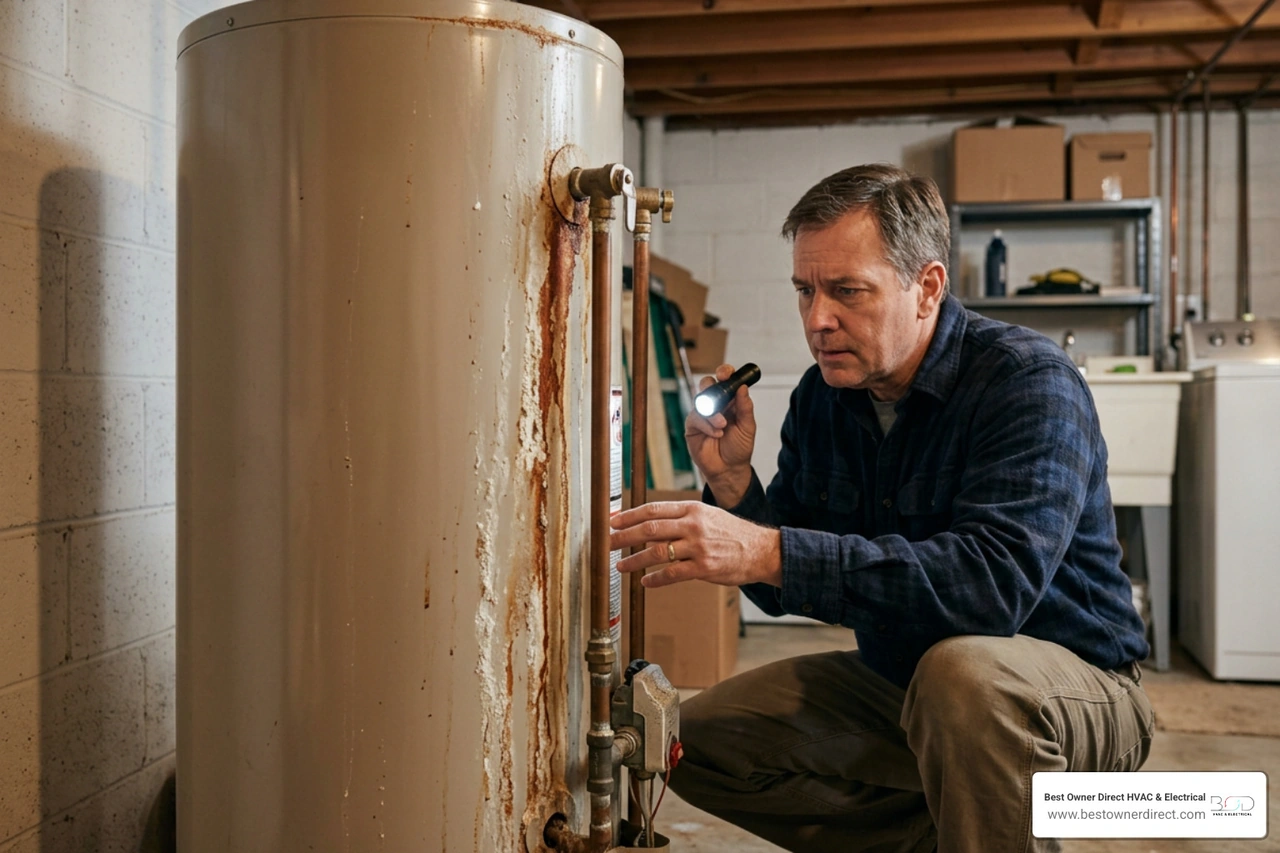
How to Identify Water Conditions Harming Your Water Heater in 5 Simple StepsLearn how water conditions affect your water heater faster. Discover 5 simple steps to identify damage from hard water, acidity, and scale buildup.
Read more
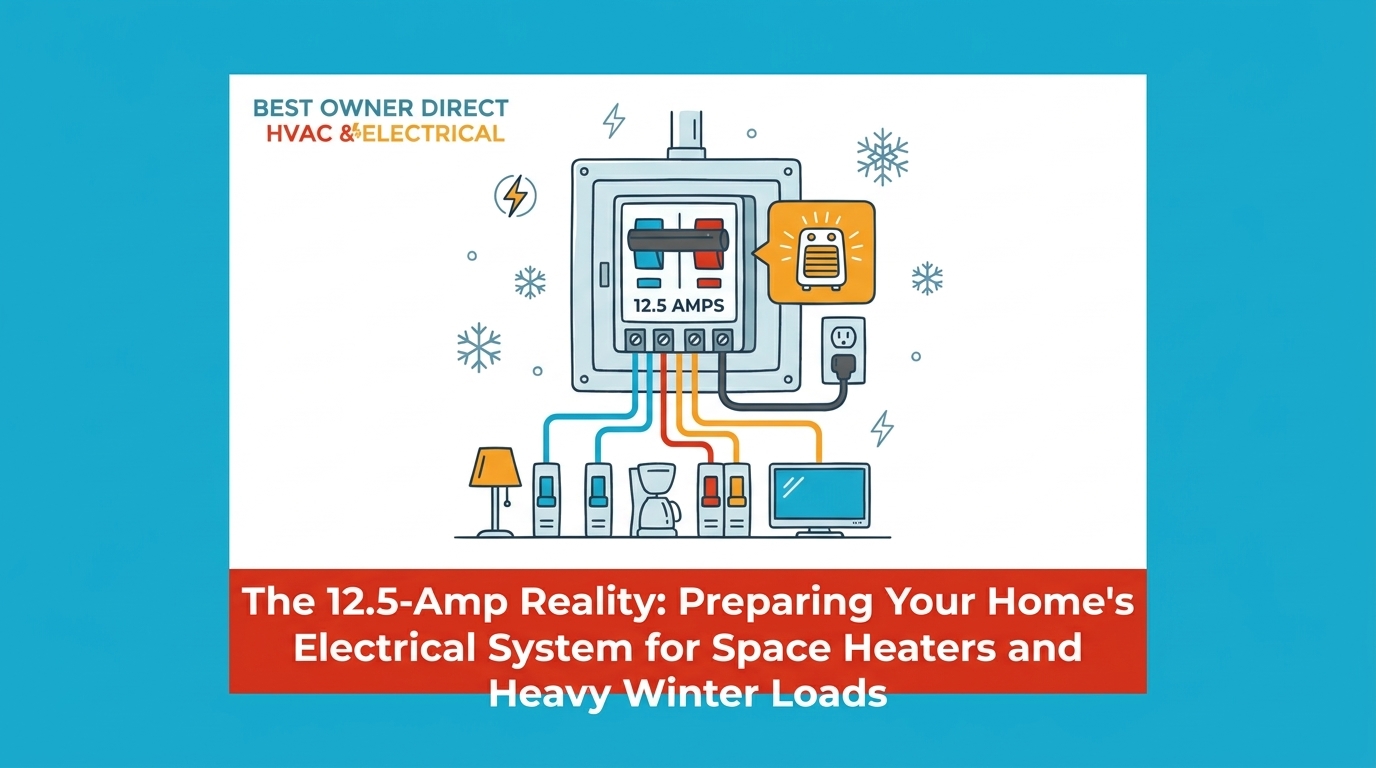
Preparing Your Home's Electrical System for Space Heaters and Heavy Winter LoadsA standard 1500W space heater consumes nearly 80% of an older bedroom circuit's capacity instantly. Find out why resetting that tripped breaker is a hidden fire hazard.
Read more