Menu


Your Spring AC and HVAC Maintenance Checklist: What to Do Before Summer 2026
A spring ac and hvac maintenance checklist is the single best thing you can do for your home comfort system before the summer heat arrives. Skip it, and you risk higher energy bills, unexpected breakdowns, and a system that struggles when you need it most.
Here are the 10 essential spring HVAC tasks every homeowner should complete each year:
- Replace or clean air filters (every 30–90 days)
- Clear debris around the outdoor condenser unit (maintain 2 feet of clearance)
- Clean indoor vents and registers
- Test and calibrate your thermostat
- Check refrigerant levels and inspect for leaks (licensed technician required)
- Tighten electrical connections and inspect wiring (licensed technician required)
- Clean evaporator and condenser coils
- Lubricate moving parts and inspect fan motors
- Clear the condensate drain line
- Inspect ductwork for leaks and blockages
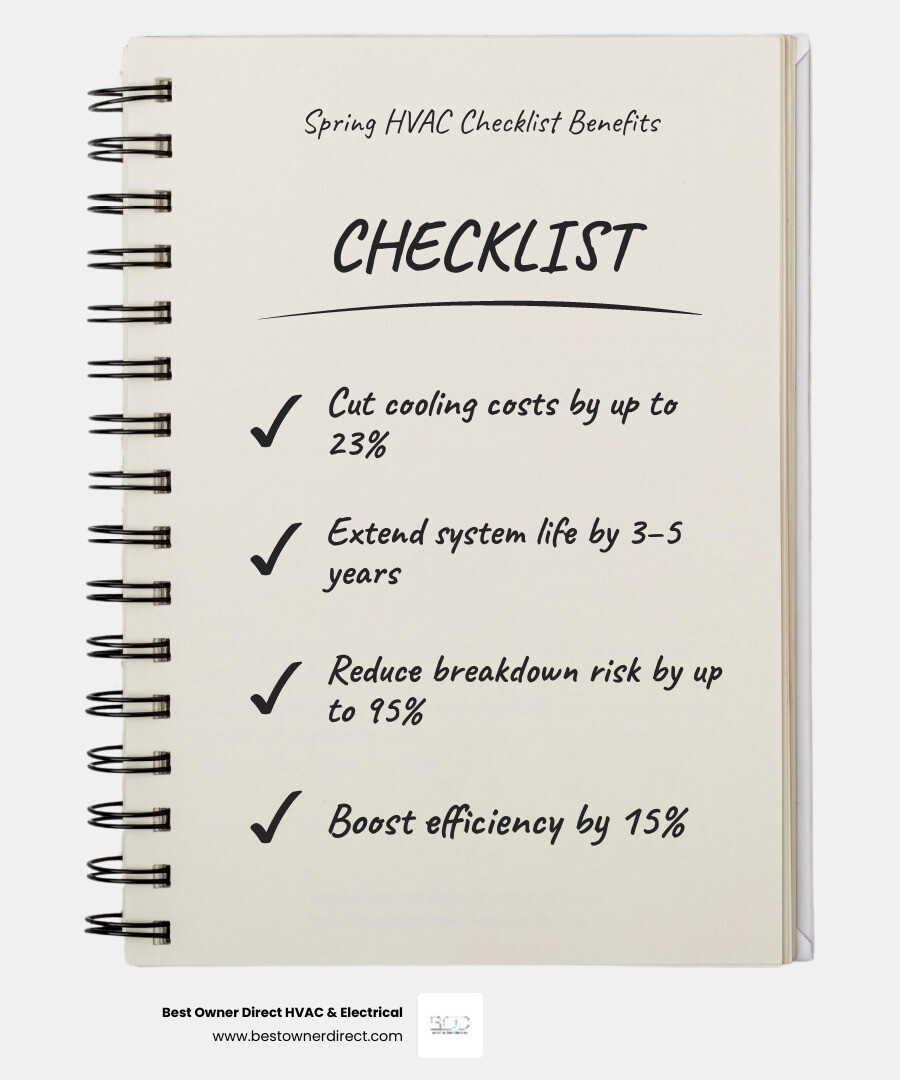
Most of these tasks take just a few minutes. Together, they can cut your cooling costs by up to 23%, extend your system's life by 3–5 years, and reduce the risk of a summer breakdown by up to 95%.
Here's why each one matters — and exactly how to get it done.
Why a Spring AC and HVAC Maintenance Checklist is Essential for 2026
As we move into April 2026, the mild spring air in Oregon is a reminder that the scorching summer months are just around the corner. Many homeowners in cities like Hillsboro, Lake Oswego, and Newberg treat their HVAC systems like a "set it and forget it" appliance. However, your air conditioner is more like a vehicle; it requires regular tuning to handle the high-mileage demands of a hot July.
Implementing a spring ac and hvac maintenance checklist isn't just about being proactive; it's about protecting one of your home's most expensive investments. Neglecting these tasks can lead to "slugging" in the compressor or frozen evaporator coils, both of which can lead to a total system failure on the hottest day of the year. According to industry data, 95% of emergency summer repair calls could have been prevented with a simple spring tune-up. To understand more about the timing of these services, check out this guide on should you get your air conditioner serviced before summer.
The Impact of Maintenance on Energy Bills
In 2026, energy efficiency is more important than ever. Did you know that nearly half of your monthly utility bill goes toward heating and cooling your home? A system that is clogged with dust or struggling with low refrigerant has to work twice as hard to reach your desired temperature.
By following a maintenance routine, you can see a 5% to 15% reduction in energy consumption just by replacing a dirty filter. When the entire system is optimized, those savings can jump to 30% during peak summer months. We've seen homeowners across the Tualatin Valley save hundreds of dollars annually simply by staying on top of their AC Maintenance Tips.
Extending Your System Lifespan
The average HVAC system is designed to last about 15 to 20 years. However, a neglected unit might start failing after just a decade. Regular spring maintenance can extend your system's lifespan by 5 to 10 years. This is because clean components and lubricated motors experience less friction and heat stress. Think of it as "anti-aging" for your air conditioner. For a detailed look at how these tune-ups preserve your equipment, see our Spring AC Maintenance Checklist.
Essential DIY Steps for Your Seasonal Home Care
While some tasks require a professional touch, there are several high-impact steps you can take yourself. Before you start, remember the golden rule of HVAC DIY: Safety first. Always turn off the power to your unit at the breaker or the outdoor disconnect switch before performing any physical cleaning or inspections.
Step 1: Update Your Filters for Your Spring AC and HVAC Maintenance Checklist
The air filter is the lungs of your HVAC system. Its job is to trap dust, pollen, and pet dander before they enter your sensitive equipment. In Oregon, where spring pollen can be particularly heavy in areas like Forest Grove and Gaston, filters can clog faster than you might expect.
- Check frequency: Inspect your filter every 30 days.
- Replacement cycle: Most standard 1-inch filters need replacing every 30 to 90 days. If you have pets or allergies, aim for the 30-day mark.
- MERV Ratings: Look for a MERV rating between 8 and 11. This provides a great balance of air filtration without putting too much strain on your blower motor.
For more details on choosing the right filter, read about Air Filter Replacement and the 5 benefits of changing your hvac filters.
Step 2: Clear Debris Around the Outdoor Condenser
During the winter, wind and rain often blow leaves, twigs, and "dust bunnies" against your outdoor unit. Your condenser needs to "breathe" to release the heat it pulls from inside your home. If it’s surrounded by tall grass or debris, it will overheat and potentially burn out the compressor.
Maintain at least a 2-foot clearance around the entire unit. Trim back any shrubs, remove weeds, and clear away any mulch or decorative items that have migrated too close. If you see dirt built up on the metal fins, you can gently rinse them with a garden hose (never use a pressure washer, as it can flatten the delicate fins). Learn more about how to safely Clean AC Units.
Step 3: Clean Indoor Vents and Registers
Dust loves to settle on supply and return registers during the winter months. When you first kick on the AC, that dust gets blasted right back into your living space. Use a vacuum with a brush attachment to clear the slats of all indoor vents. For floor registers, you can even pop them out and wash them with warm, soapy water. This simple step significantly improves your indoor air quality and ensures that airflow isn't restricted by "fuzz" blockages.
Step 4: Test and Calibrate Your Thermostat
Your thermostat is the brain of the operation. If it’s miscalibrated, your system might run longer than necessary or fail to keep you comfortable.
- Battery Check: If your thermostat uses batteries, replace them every spring to avoid a mid-summer blackout.
- Accuracy Test: Use a separate digital thermometer to check the room temperature. If the thermostat reading differs by more than two degrees, it may need recalibration or replacement.
- Settings: The U.S. Department of Energy recommends setting your AC to 78°F when you are home and raising it by 7–10 degrees when you are away.
- Smart Upgrades: Consider a smart thermostat. They can save you up to 10% on annual cooling costs by automatically adjusting to your schedule.
Professional Tune-Up Tasks for a Reliable Cooling Season
While DIY care is great, certain technical components require the specialized tools and training of a licensed technician. In places like Beaverton and Portland, professional tune-ups are a standard part of spring home prep.
Step 5: Check Refrigerant Levels and Inspect for Leaks
Refrigerant doesn't "wear out" or get "used up." If your levels are low, it means you have a leak. Operating a system with low refrigerant can increase your energy bill by 20% and eventually destroy the compressor—a repair that can cost thousands of dollars. A professional technician will measure the "subcooling" and "superheat" to ensure your levels are exact. Handling refrigerant requires EPA certification, so never attempt this yourself. For an overview of what to expect, see what to expect during an hvac maintenance appointment.
Step 6: Tighten Electrical Connections and Inspect Wiring
Faulty wiring is responsible for roughly 13% of home electrical fires. During a spring inspection, we check for frayed wires, corroded contacts, and loose connections. Oregon’s damp winters can sometimes lead to moisture intrusion in outdoor electrical boxes, causing "pitting" on the contactor. Tightening these connections ensures the system operates safely and prevents premature component failure.
Step 7: Clean Evaporator and Condenser Coils
Dirty coils act like an insulating blanket, preventing the system from absorbing or releasing heat. Just a thin layer of dust on the coils can reduce efficiency by 30%. While homeowners can rinse the outdoor unit, the indoor evaporator coil is often tucked away inside the air handler and requires professional cleaning solutions to remove biological growth and deeply embedded grime.
Step 8: Lubricate Moving Parts and Inspect Fan Motors
Friction is the enemy of efficiency. We inspect the blower motor and the outdoor fan motor to ensure they are spinning freely. While many modern motors are permanently sealed, older units require seasonal lubrication of the bearings. We also check the fan blades for cracks or imbalances that could cause the unit to vibrate and shake itself apart over time.
Advanced Steps to Ensure Peak Performance
To truly round out your spring ac and hvac maintenance checklist, you need to look at the "delivery system" of your air: the drains and the ducts.
Step 9: Clear the Drain Line for Your Spring AC and HVAC Maintenance Checklist
As your AC cools the air, it also removes moisture. This water collects in a pan and flows out through a condensate drain line. Over time, algae and mold can grow in this line, causing a "sludge" blockage. If the line clogs, water will back up and overflow, potentially causing thousands of dollars in water damage to your floors or ceiling.
A professional will flush the line and may use a vacuum to ensure it’s clear. As a DIY tip, you can pour a cup of white vinegar down the drain access port once a month during the summer to kill any emerging algae. For more spring prep tips, see tips to prepare your hvac system for spring.
Step 10: Inspect Ductwork for Leaks and Blockages
Even the most efficient AC unit in the world won't keep you cool if the air is leaking into your attic or crawlspace. The Department of Energy estimates that the average home loses 20% to 30% of its conditioned air through duct leaks.
We look for disconnected sections, fallen insulation, and gaps at the joints. Sealing these leaks with foil tape or mastic sealant can boost your efficiency by up to 20% and ensure that the air you're paying to cool actually reaches your bedroom. For a look at how this differs from winter prep, check out our HVAC Maintenance Guide.
Frequently Asked Questions about Spring HVAC Maintenance
When is the best time to schedule a spring HVAC tune-up?
The ideal time is March or April. Scheduling early ensures you get an appointment before the "summer rush" in June and July. It also allows you to identify and fix any issues before you actually need the cooling, preventing a "no-AC" emergency during the first heat wave.
How often should I replace my air filters during the summer?
During the peak cooling season, we recommend checking your filter every 30 days. If you live in a dusty area or have multiple pets, you will likely need to change it once a month. At a minimum, never go longer than 90 days without a fresh filter.
What are the signs that my AC needs immediate professional service?
If you notice any of the following "red flags," turn off your system and call for service immediately:
- Warm air blowing from the vents.
- Ice buildup on the copper refrigerant lines.
- Unusual noises like grinding, squealing, or loud banging.
- A burning smell or electrical odors.
- Frequent cycling (the unit turns on and off every few minutes).
Conclusion
Taking the time to work through this spring ac and hvac maintenance checklist is the best gift you can give your home this year. From the simple task of swapping a filter to the technical precision of a professional coil cleaning, these steps ensure that your home remains a cool sanctuary throughout the Oregon summer.
At Best Owner Direct HVAC & Electrical, we pride ourselves on providing the families of Washington and Yamhill counties with reliable, energy-efficient solutions. Whether you are in Tigard, Sherwood, or Oregon City, we are here to help you stay comfortable and safe.
Don't wait for the first 90-degree day to find out your system is struggling. Ensure your peace of mind all season long—Sign up for a Maintenance Plan today and let our experts handle the heavy lifting for you!


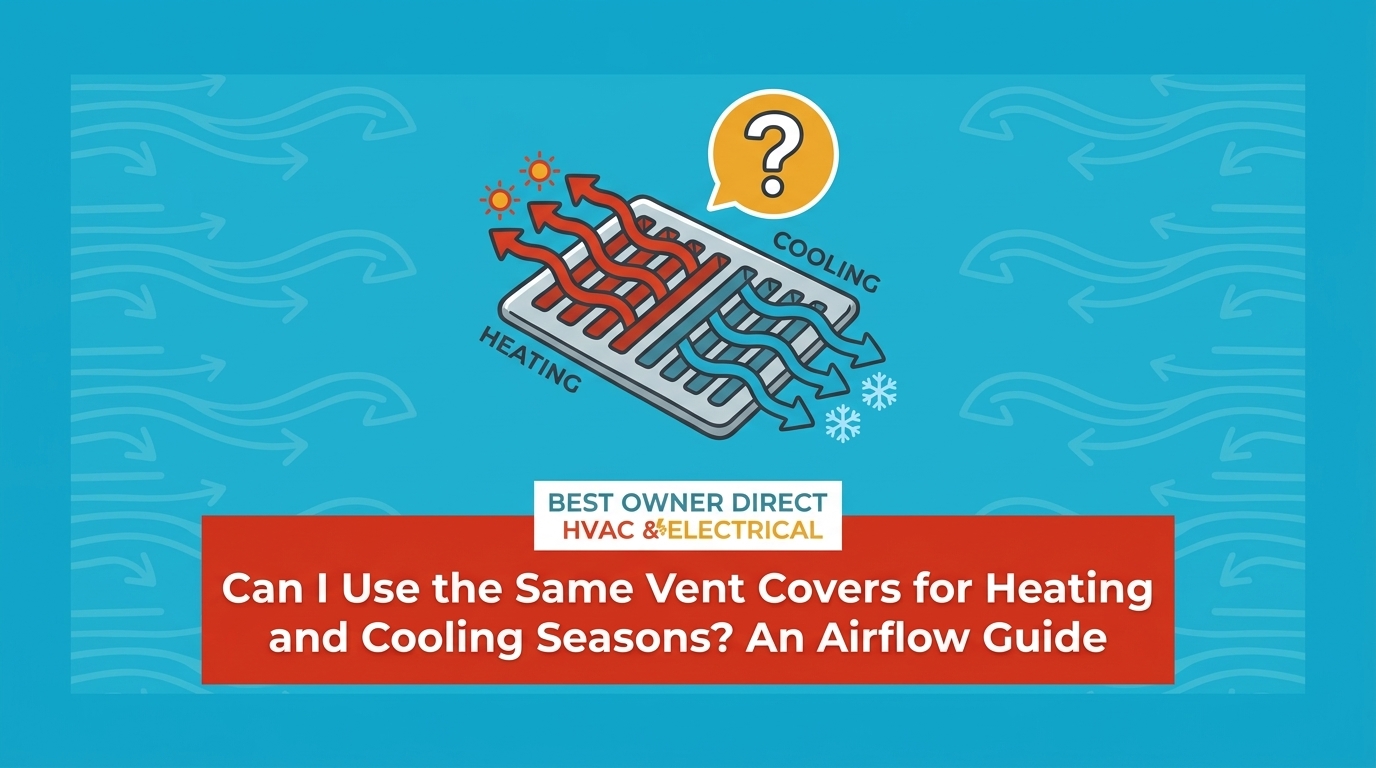
Can I Use the Same Vent Covers for Heating and Cooling Seasons?Cold air sinks and warm air rises, meaning standard fixed-louver vent covers often force your system to work harder. Find out if you need to swap your registers for the season.
Read more
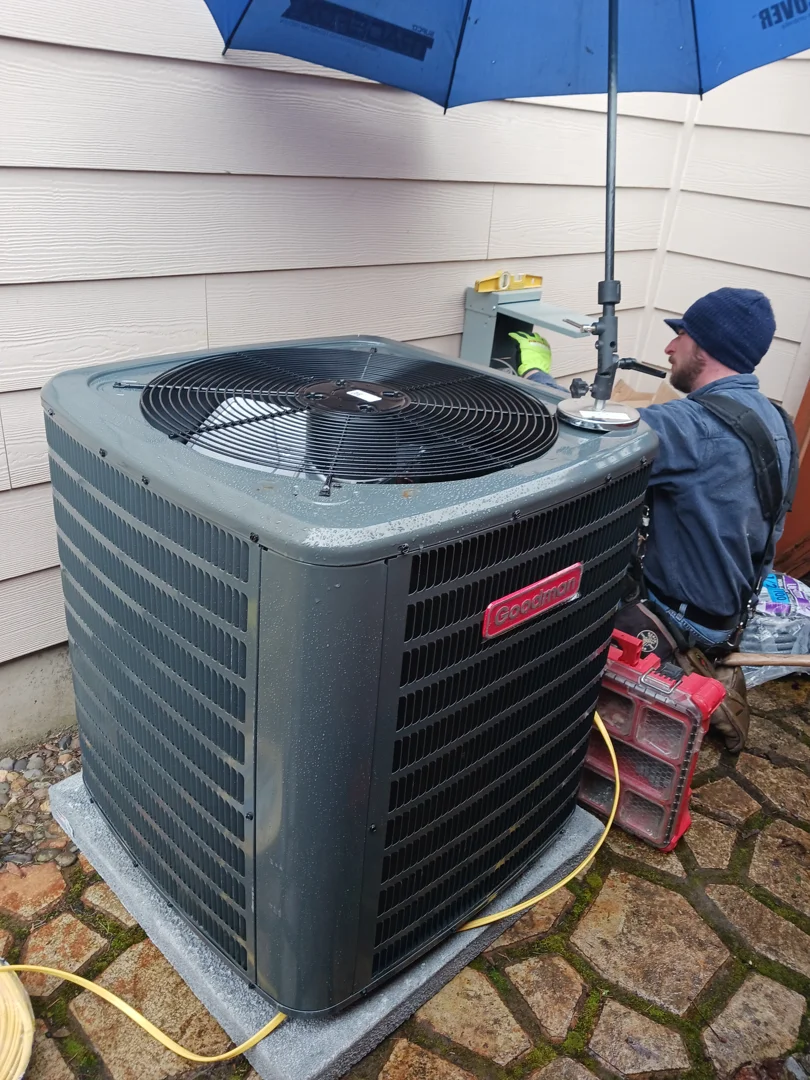
How to Fix a Heat Pump Not Turning On FastLearn what to check first when your heat pump not turning on. Follow our DIY triage guide for fast troubleshooting and know when to call a pro.
Read more
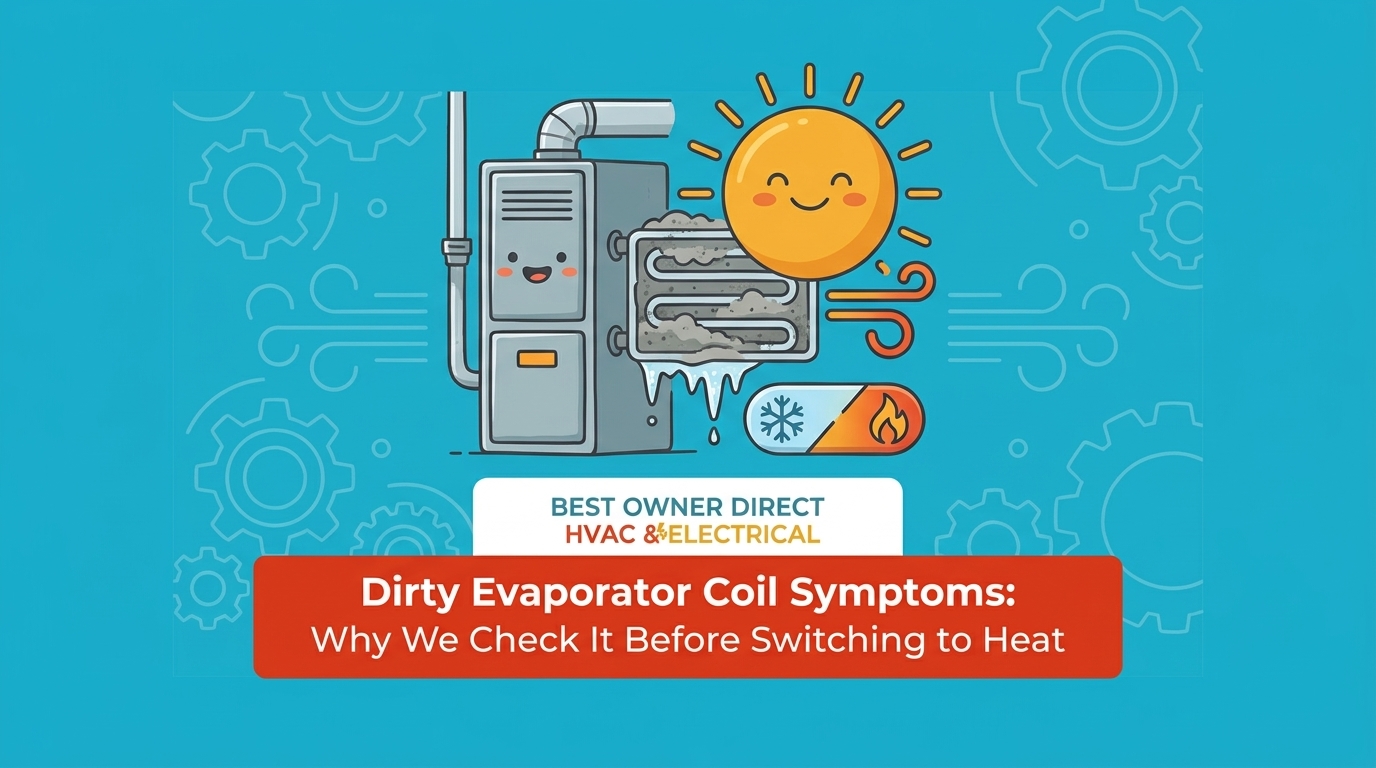
Why We Always Check the Evaporator Coil Before Switching to HeatThat harsh burning smell when you first turn on your furnace isn't always harmless dust. Learn how summer grime left on your AC coil becomes a hidden heating hazard.
Read more