Menu


What a Dirty Evaporator Coil Does to Your Air Conditioner
A dirty evaporator coil air conditioner problem is one of the most common — and most overlooked — reasons your home stops cooling properly. If your AC is running constantly, your energy bills are climbing, or your home just doesn't feel comfortable anymore, a grimy evaporator coil is often the culprit.
Here's a quick summary of what you need to know:
- What it is: The evaporator coil is the indoor component that absorbs heat from your home's air using cold refrigerant
- What goes wrong: Dust, dirt, and debris coat the coil, acting as insulation that blocks heat transfer
- What you'll notice: Weak cooling, higher energy bills, ice on the lines, musty odors, or the AC running non-stop
- What it costs you: A dirty coil can increase your energy use by up to 30%, according to the U.S. Department of Energy
- What to do: Change your air filter every 1-3 months, and schedule professional coil cleaning at least once a year
Think of your evaporator coil like the lungs of your air conditioner. When it gets clogged, the whole system struggles to breathe. And as we head into the 2026 cooling season here in the Portland metro area, the last thing you want is an AC that's working twice as hard to keep up.
In this guide, we'll walk you through exactly how to spot the signs of a dirty coil, clean it safely in 5 steps, and keep it clean going forward.

Why a dirty evaporator coil air conditioner is Ruining My Home's Comfort
To understand why a dirty evaporator coil air conditioner is such a problem, we have to look at how your AC actually works. It doesn't "create" cold; it removes heat. The evaporator coil, usually made of copper or aluminum fins, sits inside your air handler. Cold refrigerant flows through it, and as your blower fan pushes warm house air over these fins, the refrigerant absorbs that heat and carries it outside.
When dust, pet dander, or skin cells settle on those fins, they create a physical barrier. This "insulation effect" prevents the air from touching the cold metal. Instead of a smooth exchange of heat, the dirt acts like a thick blanket.
This leads to several major issues:
- Massive Efficiency Loss: Because the heat transfer is blocked, the system has to run longer to reach the temperature set on your thermostat. Research shows that dirty coils can increase energy consumption by 20% to 40%.
- Shortened System Lifespan: An AC that runs 18 hours a day instead of 12 wears out much faster. You might find yourself facing 11 of the most common central air conditioner problems in 2022 much sooner than expected.
- Component Strain: The compressor — the most expensive part of your AC — has to work harder to move refrigerant through a system that isn't cooling efficiently. Replacing a compressor can cost between $1,000 and $2,500, which is a headache no homeowner in Hillsboro or Beaverton wants to deal with.
| Feature | Clean Evaporator Coil | Dirty Evaporator Coil |
|---|---|---|
| Energy Usage | Standard | 20-40% Increase |
| Cooling Speed | Fast & Efficient | Slow & Ineffective |
| Airflow | Strong & Clear | Weak & Restricted |
| Cycle Length | 15-20 Minutes | Constant Running |
| Component Stress | Low | High (Risk of Failure) |
Signs My Portland AC System is Struggling with Grime
How do you know if your unit is suffering from a dirty evaporator coil air conditioner issue without taking the whole thing apart? Your AC will usually "talk" to you through several tell-tale symptoms.
In our experience serving homes from Portland to Forest Grove, the most common sign is a noticeable drop in airflow. If you stand under a vent and the air feels like a weak breeze rather than a strong gust, the dirt on your coil is likely choking the system.
Another major red flag is if you find yourself asking, should my air conditioner run all the time? During a standard Oregon summer day, your AC should cycle on and off. If it’s May 2026 and the temp is only 80 degrees, but your AC hasn't turned off in four hours, it’s struggling to absorb heat through a layer of grime.
You might also notice problems of ac and thermostat where the thermostat says it's 72 degrees, but you feel sticky and humid. This happens because a dirty coil can't effectively remove moisture from the air, leaving your home feeling like a sauna.
Why Your dirty evaporator coil air conditioner Causes Ice Buildup
It sounds counterintuitive — how can a "dirty" coil cause ice in the middle of a hot summer? It all comes down to temperature and airflow.
The refrigerant inside your coil is extremely cold. Under normal conditions, the warm air blowing over the coil keeps it from getting too cold. But when a dirty evaporator coil air conditioner blocks that warm air, the temperature of the coil drops below freezing. The condensation that naturally forms on the coil (humidity from your home) quickly turns into ice.
This creates a vicious cycle:
- Dirt blocks air.
- Coil gets too cold.
- Ice forms on the dirt.
- Ice blocks even more air.
If you see frost on the copper lines leading into your furnace or air handler, you likely have a why is my a c unit frozen situation. When this ice eventually thaws, it can overflow your drain pan and cause significant water damage to your floors or ceilings. Additionally, you might start hearing strange splashing or gurgling, leading you to wonder how to fix a noisy ac.
Health Risks and Odors from a dirty evaporator coil air conditioner
Beyond the mechanical issues, a dirty coil is a health hazard. The evaporator coil is naturally damp due to condensation. When you add dust (which is organic matter) to that moisture, you create the perfect breeding ground for mold and bacteria.
Have you ever noticed a "dirty sock" smell when the AC kicks on? That's actually a recognized HVAC term! It’s caused by bacterial colonies growing on the grimy fins of your evaporator coil. As the air passes over this growth, it carries spores and Volatile Organic Compounds (VOCs) throughout your home.
For our neighbors in Tigard or Lake Oswego who suffer from allergies or asthma, this can be a major trigger. Maintaining your indoor air quality starts with keeping the surfaces that your air touches clean.
How to Clean Your Coils in 5 Easy Steps
If you’re a handy homeowner in Cornelius or Newberg, you might want to try a basic cleaning yourself. While deep cleaning often requires professional tools, you can handle light dust buildup with these five steps.
DIY Cleaning Tools Checklist:
- Screwdriver or nut driver (to open the panel)
- Soft-bristled brush (a clean paintbrush works well)
- No-rinse foaming coil cleaner (available at most hardware stores)
- Flashlight
- Fin comb (to straighten bent fins)
- Vacuum with a brush attachment
Step 1: Power Safety First
Before you touch anything, turn off your AC at the thermostat and shut off the power at the breaker panel. You are working near electrical components and moving parts; safety is non-negotiable.
Step 2: Access the Coil
Locate the indoor air handler. You'll need to remove the access panel to see the "A-frame" or "N-frame" coil. This is often held in place by several small screws. Once the panel is off, use your flashlight to inspect the intake side of the coil (the side where the air enters).
Step 3: Gentle Brushing
Use your soft brush or vacuum attachment to gently remove loose dust and hair. Always brush in the direction of the fins (usually vertically) to avoid bending them. If you do see bent fins, use a fin comb to carefully straighten them so air can pass through.
Step 4: Apply No-Rinse Foaming Cleaner
Spray the foaming cleaner liberally over the coil. This foam will expand into the gaps between the fins, breaking down the grime. The "no-rinse" part means you don't need to spray it with a hose. As the AC runs later, the condensation will naturally wash the cleaner and the dirt into the drain pan. While you're there, it’s a good idea to check if you should you clean your ac drain line to prevent clogs.
Step 5: Seal and Restart
Replace the access panel and screws. Turn the power back on at the breaker and set your thermostat to cool. Listen for any unusual noises and check your vents to see if the airflow has improved.
How Can I Prevent Future AC Failures in Hillsboro?
The best way to deal with a dirty evaporator coil air conditioner is to never let it get dirty in the first place. Since the evaporator coil lives behind a filter, your air filter is your first and best line of defense.
We recommend changing your air filters every 1 to 3 months. If you have pets (hello, golden retriever hair!) or live in a dustier part of Yamhill or North Plains, you should check it every 30 days. Using a filter with a MERV rating between 8 and 11 is usually the "sweet spot" for most Portland-area homes — it catches the small stuff without suffocating your blower motor.
There are also 3 reasons you shouldn't delay your air conditioning tune-up. A professional technician doesn't just look at the coil; they check refrigerant levels, tighten electrical connections, and clear the condensate drain. When looking for a provider, it’s helpful to know what to look for in an hvac maintenance plan to ensure you're getting a comprehensive 16-point inspection.
Before the heat hits every spring, there are 7 things to check before turning your ac on for the first time. Doing a quick visual inspection of your outdoor unit and checking your indoor vents can save you from a mid-July breakdown.
Finally, professionals use specialized tools reliable ac techs use that can reach deep into the coil layers that a surface spray can't touch. If your coil is heavily impacted with grease or "bio-growth," a DIY spray won't be enough.
Conclusion
A dirty evaporator coil air conditioner is more than just a nuisance; it’s a drain on your wallet and a risk to your home's air quality. By staying on top of filter changes and performing basic visual checks, you can ensure your system lasts its full 15 to 20-year lifespan.
At Best Owner Direct HVAC & Electrical, we’ve spent years helping our neighbors in Cornelius, Hillsboro, and the greater Portland area stay cool and comfortable. We know that a clean system is a reliable system. Whether you need a professional deep-cleaning of your coils or you want to improve your home's indoor air quality, our team is here to help with quality workmanship and a customer-focused approach.
Don't wait for your AC to freeze up or your energy bills to skyrocket. Give your "AC's lungs" the cleaning they deserve so you can breathe easy all summer long!


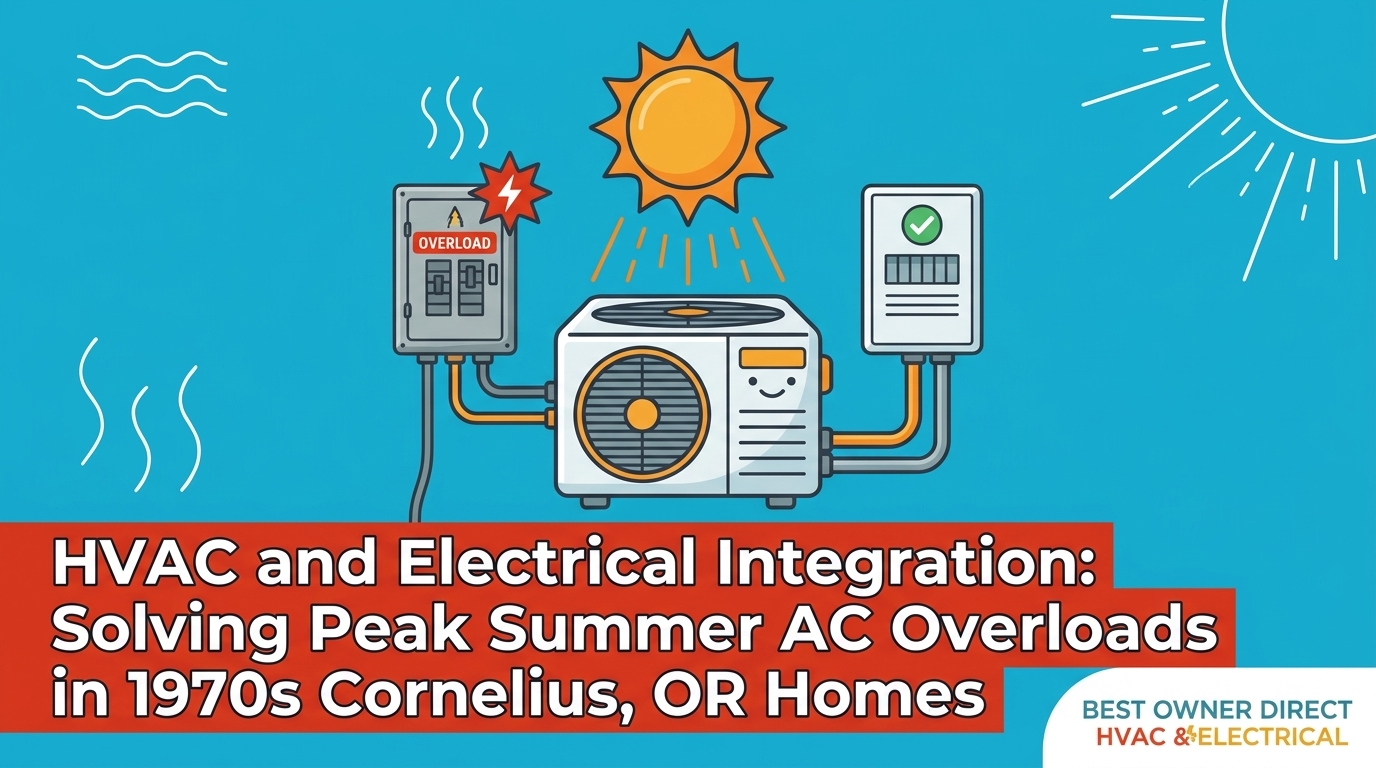
How Cornelius Homes Handle Peak Summer AC Loads on Older Electrical PanelsModern AC units often overwhelm aging 1970s electrical panels during intense summer heat. Review the warning signs and specific upgrades needed to keep your home safely cooled.
Read more
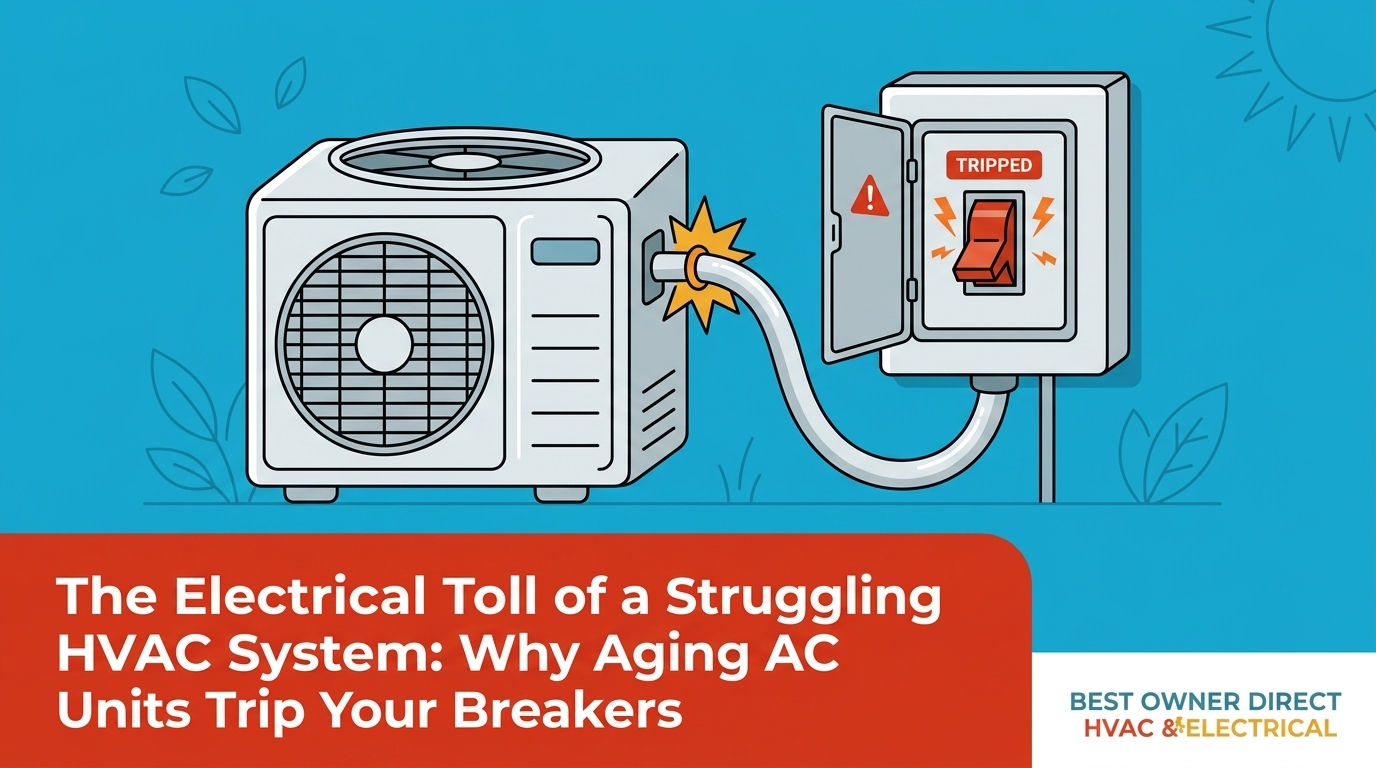
The Electrical Toll of a Struggling HVAC System on Your Home's BreakersAn aging air conditioner does not just lose cooling power; it actively stresses your electrical panel. A tripping breaker during late summer heat is a warning sign requiring professional diagnosis.
Read more
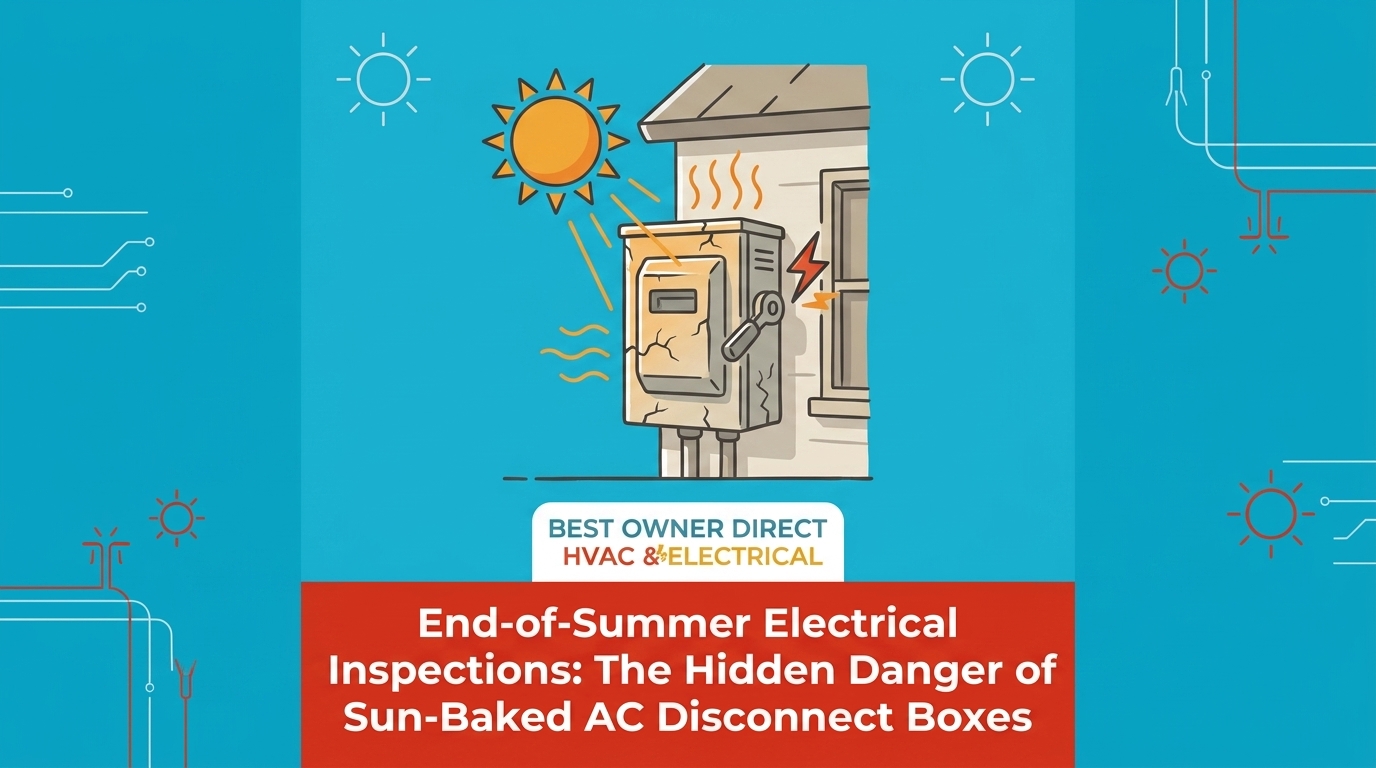
End-of-Summer Electrical Inspections: Checking Outdoor Disconnect BoxesAfter months of intense Pacific Northwest sun, your outdoor AC disconnect box can become brittle and unsafe. Learn the visual warning signs of UV degradation.
Read more