Menu


A heat pump briefly running in reverse — outdoor fan stopped, a whoosh or swoosh sound, steam rising off the outdoor unit, slightly cool air indoors for a few minutes — is normal defrost, and in western Oregon's damp winters it happens regularly. Ice that never fully clears, defrost every few minutes, or a unit encased in ice is a problem. Here's how to tell the difference.
Why do heat pumps frost up at all?
In heating mode the outdoor coil runs colder than the outdoor air to absorb heat from it. When that coil surface drops below freezing and the air is humid — which describes most Tualatin Valley winter days — moisture in the air frosts onto the coil. Frost insulates the coil and blocks airflow, so the system periodically melts it off. Our marine climate is essentially designed to frost heat pump coils: 35°F and drizzling is peak frost weather, which is why local systems defrost more often than the same equipment would in a colder-but-drier climate.
What does a normal defrost cycle look like?
• The outdoor fan stops while the compressor keeps running — the system is temporarily sending heat outward to melt the coil.
• You may hear a whoosh (the reversing valve) and see steam or vapor rising off the unit — commonly mistaken for smoke.
• Indoor air feels cooler for a few minutes; many systems bring on some backup heat to cover the gap.
• The cycle typically lasts a few minutes to around ten, then normal heating resumes and the coil is visibly clear.
Water pooling and refreezing under the unit afterward is also normal — that's the melted frost draining.
When is defrost behavior a warning sign?
• Ice that never clears: if the coil stays caked after cycles, defrost isn't finishing its job — possibly a sensor, reversing valve, or refrigerant charge issue.
• A unit encased in ice — including the top and fan: stop and call. Running it can damage the fan and compressor.
• Defrosting constantly (every few minutes, all day): points to a control or charge problem burning efficiency.
• Backup heat running continuously and the house still cool: the heat pump side may have quietly failed with the strips masking it — visible as a painful electric bill. Our thermostat guide covers the settings side of avoiding unnecessary AUX heat.
What can you check before calling?
Three safe things: make sure the filter is fresh (starved airflow worsens frost behavior — filter guide here); make sure the outdoor unit isn't blocked by leaves, snow, or anything stacked against it; and make sure a clogged gutter isn't dripping onto the unit and refreezing — a surprisingly common cause of the "block of ice" call. Never chip ice off the coil with tools; the fins damage easily.
When to bring us in
Persistent ice, constant defrost, or a system leaning on backup heat deserves a professional diagnosis before it becomes a compressor problem. And if your system has never had a professional check, an annual heat pump maintenance visit verifies charge, sensors, and defrost operation before winter asks the hard questions. Cold house right now? We run after-hours emergency service based on technician availability across the Tualatin Valley and Portland metro.
What to read next
Normal defrost behavior is heat-pump-specific — if you're deciding between a heat pump and a furnace for your next system, see the honest comparison for Oregon's climate.
Quick answers
Questions we hear about this
Is steam coming off my heat pump normal?+Yes — during defrost the unit warms its outdoor coil, and melting frost rises as vapor that looks like smoke. A few minutes of steam followed by normal heating is textbook defrost behavior.
Should I chip ice off my heat pump?+No. Coil fins and fan blades damage easily. If ice won't clear on its own through defrost, something is preventing the cycle from working, and that's a diagnostic call — running an iced unit risks the compressor.
How long does a normal heat pump defrost cycle last?+Typically a few minutes up to around ten. The outdoor fan stops, the compressor briefly reverses to melt frost off the coil, then normal heating resumes and the coil should look visibly clear.
Why does my heat pump blow cool air for a few minutes in winter?+That's usually the defrost cycle — the system is temporarily sending heat outdoors to melt frost off the coil, so indoor air feels cooler for a few minutes. It should return to normal heating shortly after.
How often should a heat pump defrost in winter?+It varies with outdoor temperature and humidity, but frequent short cycles every few minutes all day is not normal and usually points to a sensor, reversing valve, or refrigerant charge issue worth a diagnostic visit.


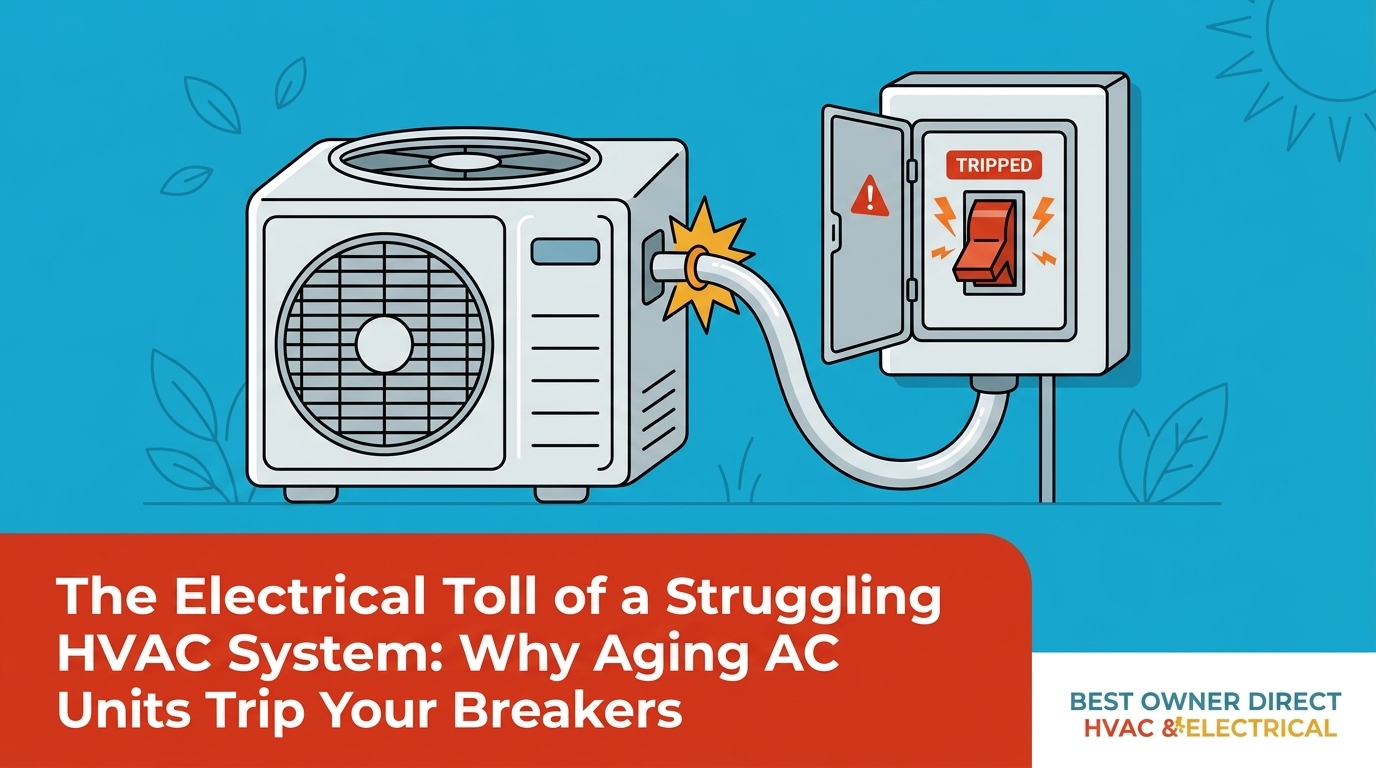
The Electrical Toll of a Struggling HVAC System on Your Home's BreakersAn aging air conditioner does not just lose cooling power; it actively stresses your electrical panel. A tripping breaker during late summer heat is a warning sign requiring professional diagnosis.
Read more
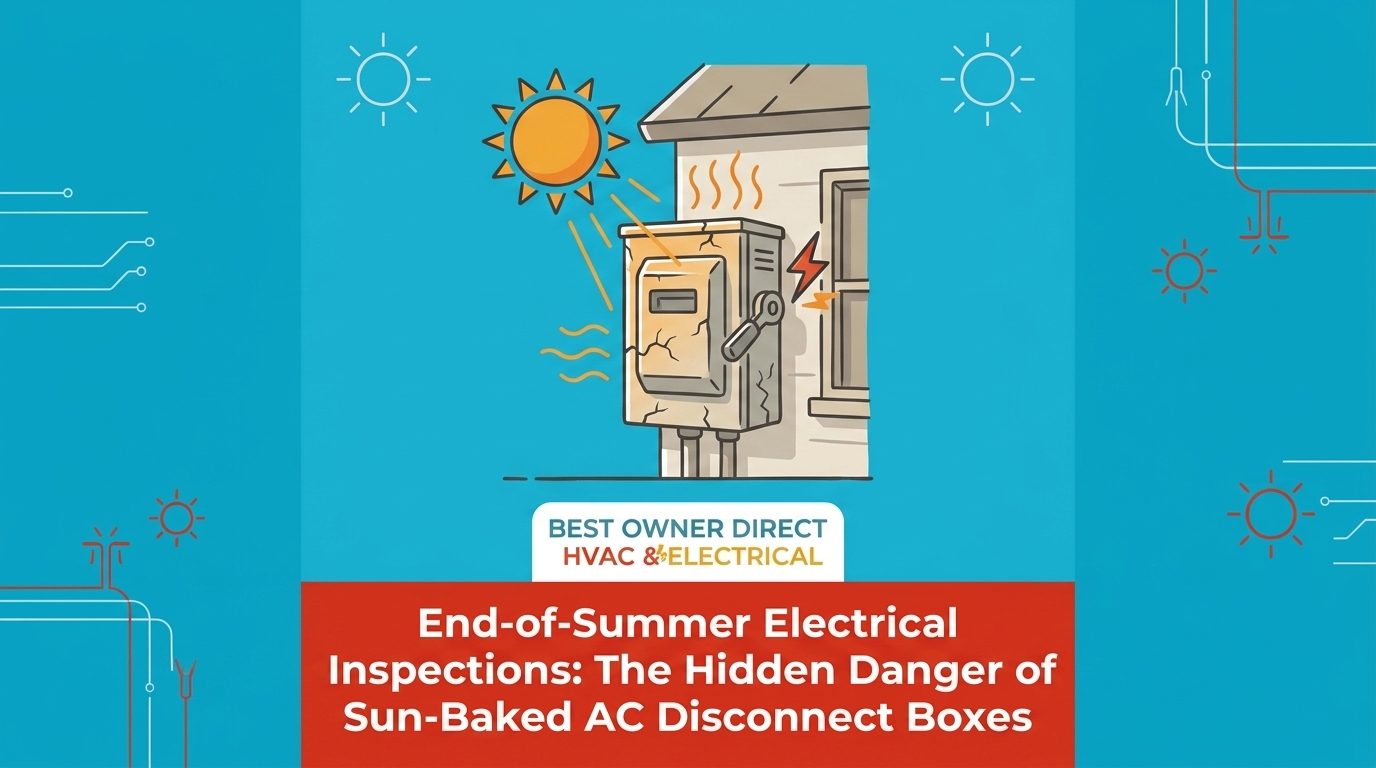
End-of-Summer Electrical Inspections: Checking Outdoor Disconnect BoxesAfter months of intense Pacific Northwest sun, your outdoor AC disconnect box can become brittle and unsafe. Learn the visual warning signs of UV degradation.
Read more
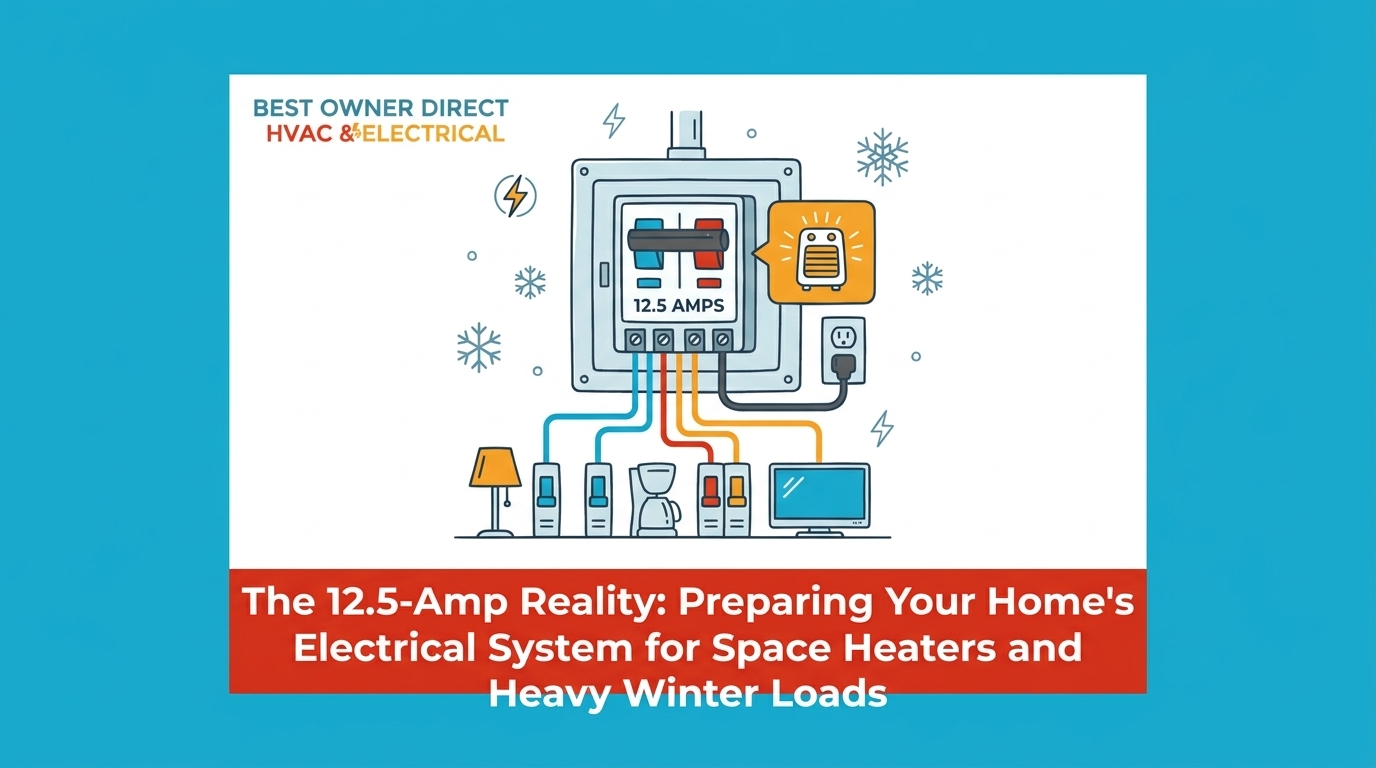
Preparing Your Home's Electrical System for Space Heaters and Heavy Winter LoadsA standard 1500W space heater consumes nearly 80% of an older bedroom circuit's capacity instantly. Find out why resetting that tripped breaker is a hidden fire hazard.
Read more