Menu


The Science of "Duct Sweating": What Causes Constant Moisture?
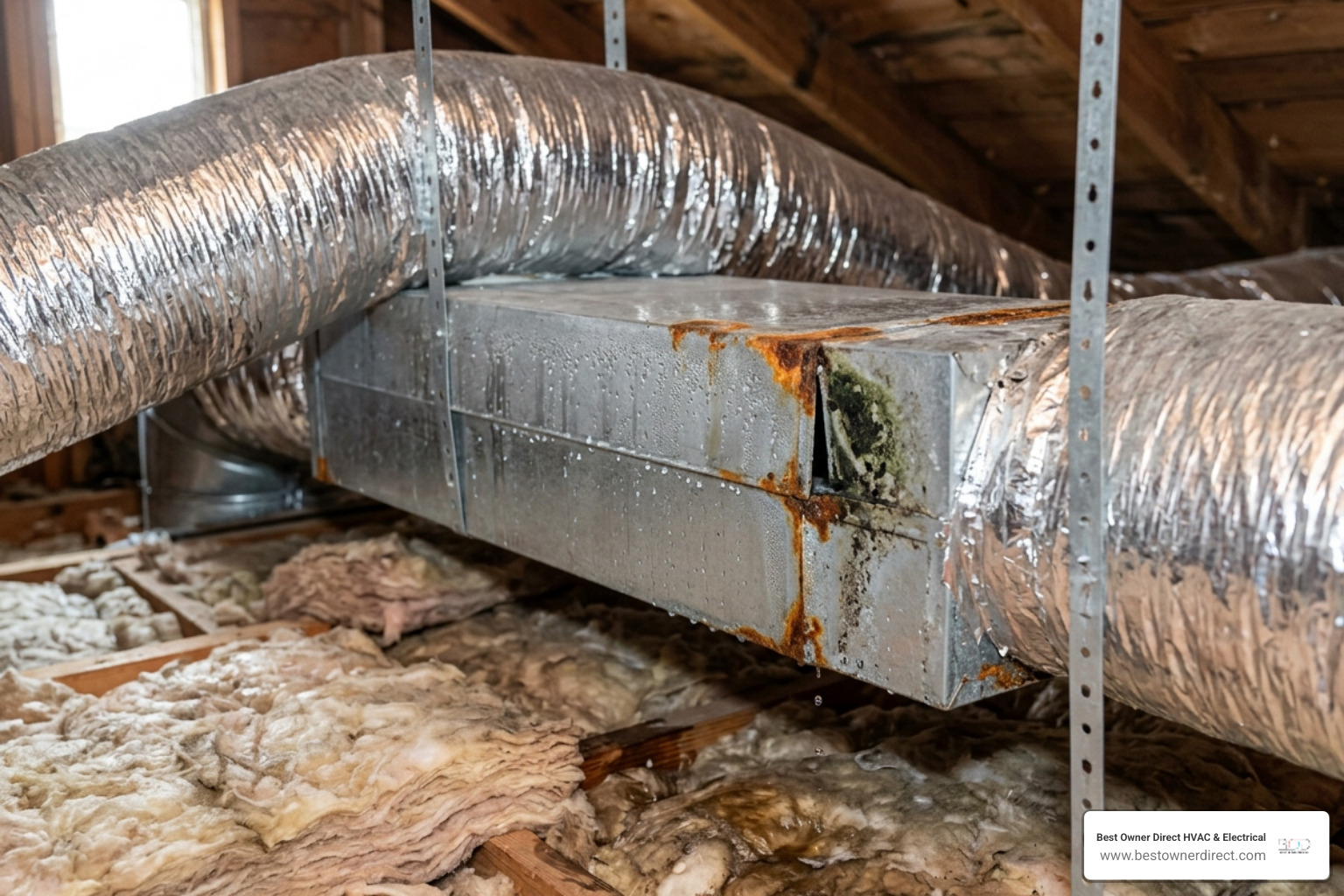
In the industry, we often refer to moisture buildup on your HVAC system as "duct sweating." It sounds almost athletic, but in reality, it’s a sign that your system is under significant stress. This phenomenon occurs due to a simple law of physics: when warm, humid air hits a cold surface, the air reaches its "dew point," and water vapor transforms into liquid droplets.
In Oregon communities like Hillsboro, Beaverton, and Lake Oswego, our homes often feature ductwork running through unconditioned spaces—think attics, basements, or crawl spaces. During the cooling season, or even during a humid April 2026 morning, these ducts become very cold. If the surrounding air is thick with moisture, the exterior and interior of the ducts begin to "sweat."
Several factors contribute to this constant moisture:
- Temperature Differentials: The greater the gap between the air inside the duct and the air outside it, the faster condensation forms.
- Vapor Pressure: High humidity levels create pressure that pushes moisture toward drier, cooler areas—like your ductwork.
- Air Leaks: If you have gaps in your system, humid air is sucked directly into the stream. Learning how to know if your air ducts are leaking is a critical first step in stopping this cycle.
- Poor Insulation: Without a proper thermal barrier, the metal surface of the duct remains exposed to the ambient humidity of the crawl space.
Humidity Impact Table: April 2026 Oregon Climate
| Condition | Outdoor Humidity (Typical Oregon April) | Target Indoor Humidity | Impact on Ductwork |
|---|---|---|---|
| Ideal | 70% - 85% | 30% - 50% | Dry, efficient, and mold-free. |
| High Risk | 85%+ | 55% - 60% | Condensation begins; mold spores activate. |
| Critical | Sustained Rain | Above 60% | "Duct sweating"; insulation saturation; rust. |
How Constant Moisture Affects Ductwork and Air Quality
When we talk about how constant moisture affects ductwork and air quality, we aren't just talking about a few drops of water. We are talking about a fundamental shift in your home's ecosystem. Moisture is the "missing ingredient" that turns a dusty duct into a biological breeding ground.
Inside your ducts, there is a natural accumulation of dust, skin cells, and pet dander. Under dry conditions, this is just debris. However, when constant moisture is introduced, this debris turns into a sticky "sludge." This sludge provides the organic food source necessary for mold and bacteria to flourish.
Research shows that mold can begin releasing spores within a mere 24 to 48 hours after moisture exposure. Once these colonies are established, your HVAC system acts as a delivery vehicle, blowing microbial volatile organic compounds (mVOCs) and spores into your bedrooms and kitchens. This is why getting rid of mold in your HVAC system requires a professional approach to ensure the source of the moisture is eliminated along with the growth.
Furthermore, moisture leads to structural decay. In metal ducts, it causes rust and corrosion, eventually leading to holes that leak conditioned air. In flexible ductwork, moisture can cause the inner lining to collapse or the outer insulation to rot, further compromising the air you breathe.
The Health Risks: How Constant Moisture Affects Ductwork and Air Quality
The connection between your ducts and your physical health is direct. When humidity levels cross the 55% threshold, the environment becomes "active." For residents in Portland or Tigard who suffer from seasonal allergies, a moist duct system can make symptoms feel year-round.
- Respiratory Triggers: Moist ducts are a primary source of asthma triggers. The circulation of mold spores can lead to persistent coughing, wheezing, and shortness of breath.
- Mycotoxins: Certain types of mold, like Stachybotrys chartarum, can produce mycotoxins that are linked to more severe health issues, including fatigue and headaches.
- Allergen Proliferation: High humidity also encourages dust mites to thrive. These microscopic pests feed on the organic matter trapped in damp ducts.
- Pet Impacts: If you have furry friends, the situation can escalate. You might wonder, are your pets harming your home's air quality? When pet dander meets duct moisture, it creates a particularly potent allergen mix that is difficult to remove without professional cleaning.
System Efficiency: How Constant Moisture Affects Ductwork and Air Quality
Efficiency isn't just about "going green"; it’s about your monthly budget. How constant moisture affects ductwork and air quality extends directly to your energy bills.
When fiberglass insulation around your ducts gets wet, it compresses. This compression destroys its "R-value" (its ability to resist heat flow). Suddenly, the cold air you're paying to create is warming up before it even reaches your living room. This forces the evaporator coil to work overtime, straining the compressor and shortening the overall lifespan of your HVAC unit.
If you've noticed your system running longer cycles just to maintain the same temperature, you should ask yourself, why should I get my air ducts cleaned? Removing the moisture-laden "dust sludge" restores proper airflow and reduces the mechanical strain on your system.
Detecting the Invisible: Signs of Moisture Problems in Your Home
Moisture problems in Oregon homes are often "invisible" until they become expensive. Because much of your HVAC system is hidden behind drywall or under floorboards, you have to be a bit of a detective.
Keep an eye out for these red flags:
- Musty Odors: If you notice a "wet basement" smell the moment the AC or heater kicks on, mold is likely present in the ducts.
- Foggy Windows: Frequent condensation on the inside of your windows indicates that your home’s total humidity is too high for your HVAC system to manage.
- Water Stains: Look for staining on the ceiling or walls near your registers. This is often caused by "duct sweating" dripping through the drywall.
- Dust Sludge: If you pull off a vent cover and see damp, dark clumps of dust, you have a moisture intrusion issue.
- Warped Wood or Peeling Paint: High localized humidity near vents can cause floorboards to cup or paint to bubble.
If you suspect something is wrong but can't see it, you might find yourself asking, is there something living in my HVAC ductwork? Often, the "something" is a thriving colony of mold or bacteria fueled by the Oregon rain.
Practical Steps to Control Humidity and Protect Your HVAC System
At Best Owner Direct HVAC & Electrical, we believe in proactive protection. Managing how constant moisture affects ductwork and air quality requires a multi-layered strategy.
- Maintain the 30-50% Range: Use a simple tool called a hygrometer to monitor your indoor air. If you are consistently above 50%, it’s time to take action.
- Install a Whole-Home Dehumidifier: Unlike portable units, these are integrated into your HVAC system to pull moisture from the air before it ever enters your ducts.
- Seal and Insulate: Ensure all duct joints are sealed with professional-grade mastic and that insulation is intact, especially in crawl spaces.
- Vapor Barriers and Encapsulation: Since 50% of your air comes from below, sealing your crawl space with a heavy-duty vapor barrier is one of the most effective ways to improve and maintain healthy indoor air quality.
- Use Exhaust Fans: Always run fans in the kitchen and bathroom during moisture-heavy activities like cooking or showering.
- Regular Filter Changes: A dirty filter restricts airflow, making the air inside the ducts colder and more prone to condensation.
Frequently Asked Questions about Duct Moisture
What is the ideal indoor humidity range to prevent duct moisture issues?
The EPA and most HVAC experts recommend keeping your indoor relative humidity between 30% and 50%. This range is the "Goldilocks zone"—it's dry enough to prevent mold germination and duct sweating, but humid enough to keep your skin and wooden furniture from drying out. Once you cross 55%, the risk of microbial growth increases exponentially.
How does poor duct maintenance contribute to ongoing moisture problems?
Maintenance is the engine of prevention. When filters are clogged or coils are dirty, airflow is restricted. This causes the temperature inside the ductwork to drop below the dew point more easily, triggering condensation. Furthermore, dirt acts as a sponge, holding onto moisture and providing a home for mold.
When should homeowners call a professional for duct moisture issues?
You should call us if you see visible mold around your vents, smell persistent musty odors, or notice water stains on your ceilings. Additionally, if your energy bills have spiked without a change in usage, it may indicate that your duct insulation is saturated and failing. A professional inspection can identify leaks and moisture sources that are invisible to the naked eye.
Conclusion
Living in the Pacific Northwest means accepting the rain, but it doesn't mean you have to accept poor air quality. Understanding how constant moisture affects ductwork and air quality is essential for protecting your home in cities like Tualatin, Oregon City, and Forest Grove. From the breakdown of insulation to the hidden spread of mold, moisture is a silent threat that requires a professional eye.
At Best Owner Direct HVAC & Electrical, we specialize in the unique challenges of the Oregon climate. We know the importance of clean air ducts and are dedicated to helping our neighbors breathe easier, even when it’s pouring outside. Whether you need a humidity assessment, duct sealing, or a system tune-up, our team is here to provide reliable, energy-efficient solutions.
Don't wait for a musty smell to tell you there's a problem. Schedule your professional HVAC maintenance in Tualatin, OR today and let us ensure your home stays dry, comfortable, and healthy all year long.


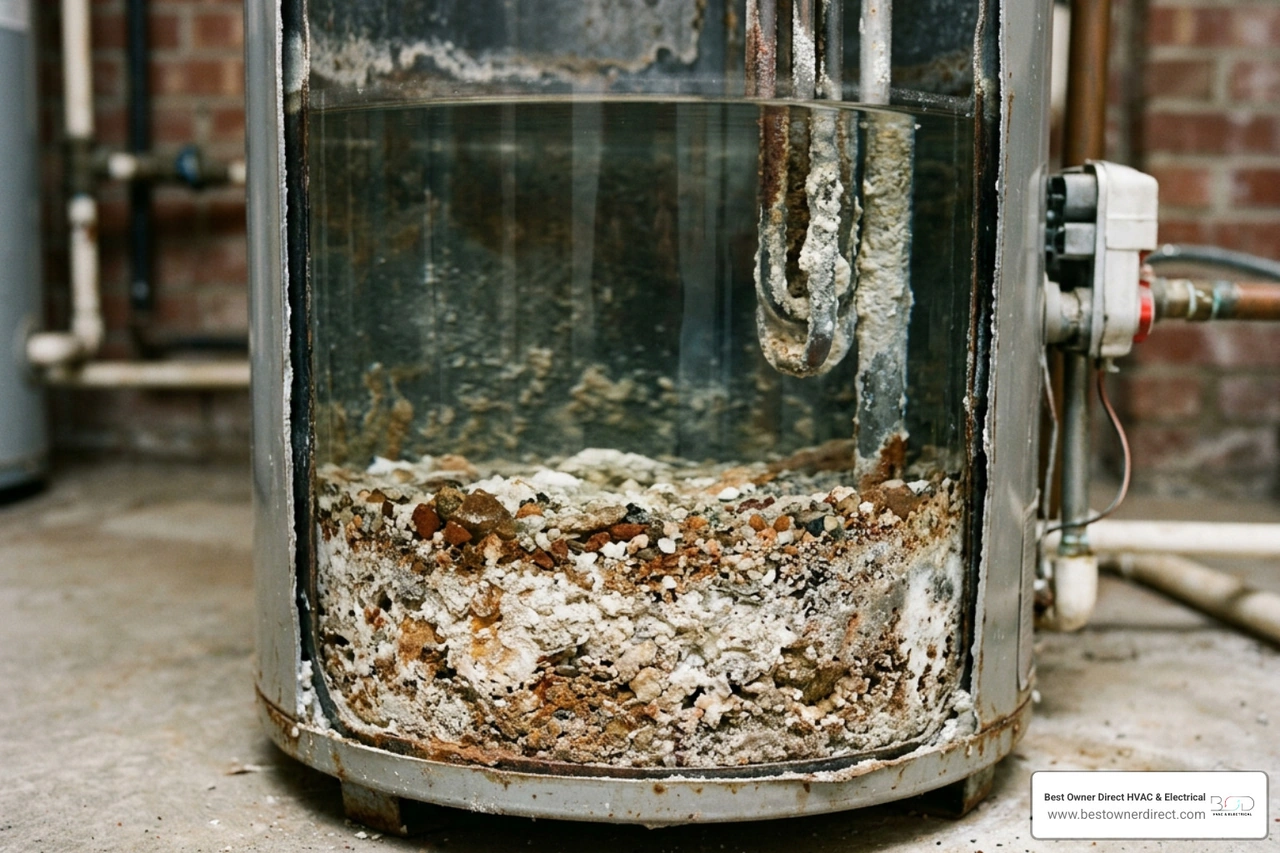
How to Understand Sediment Damage and Extend Your Water Heater Life in the Right WayLearn how sediment buildup shortens your water heater life and discover essential maintenance tips to prevent damage and extend your system's lifespan.
Read more
The Link Between Pet Hair and Dirty Evaporator Coils in AugustWhen your AC runs constantly but blows weak air late in the summer, your filter might not be the problem. See how heavy shedding bypasses cheap filters to choke your system.
Read more
In Depth Guide to Know When to Replace Your AC UnitLearn when should you replace your ac unit with this guide on lifespan, warning signs, and repair vs. replacement decisions for Oregon homeowners.
Read more