Menu


That Chilly First Morning: Is Your System Broken?
You wake up during the September early fall transition, feeling the crisp chill in your home for the first time this season, and you want to know the real reason your heat pump blows cooler air than a gas furnace. You walk over to the thermostat, switch the system to heating mode, and eagerly hold your hand over the nearest floor or ceiling vent. Instead of the roaring, fiery blast of hot air you might remember from the homes you grew up in, you feel a gentle, lukewarm breeze. Immediately, a wave of homeowner anxiety sets in. You wonder if your equipment is already failing before the heavy winter weather even arrives, or if you need to schedule an emergency repair call.
At Best Owner Direct HVAC & Electrical, we see this exact scenario play out in hundreds of Cornelius homes every single autumn. The immediate concern is entirely understandable: when you turn on the heat, you expect the air coming out of the vents to feel undeniably hot. When it doesn't, it feels like a mechanical failure. Whether you are currently evaluating different heating systems for an upcoming upgrade or you simply want to understand the equipment currently keeping your family comfortable, our team believes it helps to know exactly how these units are designed to operate.
The truth is that the answer to this mystery lies in a fascinating mix of human biology and basic thermodynamics. Your system is likely not broken at all. In fact, that lukewarm breeze is often the hallmark of a highly efficient, perfectly functioning modern climate control system. Before you reach for the phone to book a diagnostic visit, let's explore exactly what our technicians see happening inside your ductwork and why your senses might be playing a trick on you.
The Body Temperature Illusion: Why 90 Degrees Feels Cool
To understand why your heating system seems to be blowing cool air, we first have to look at the instrument you use to measure it: your own hand. Human biology plays a massive role in how we perceive temperature, and our natural sensory baseline can easily lead us to the wrong conclusions about our HVAC equipment.
When you call our team for professional heat pump services because the air feels cold, the first thing a Best Owner Direct technician will do is measure the actual temperature of the air leaving the vents. More often than not, that air is perfectly warm—it just doesn't feel warm to you. Here is the biological breakdown of why this illusion occurs:
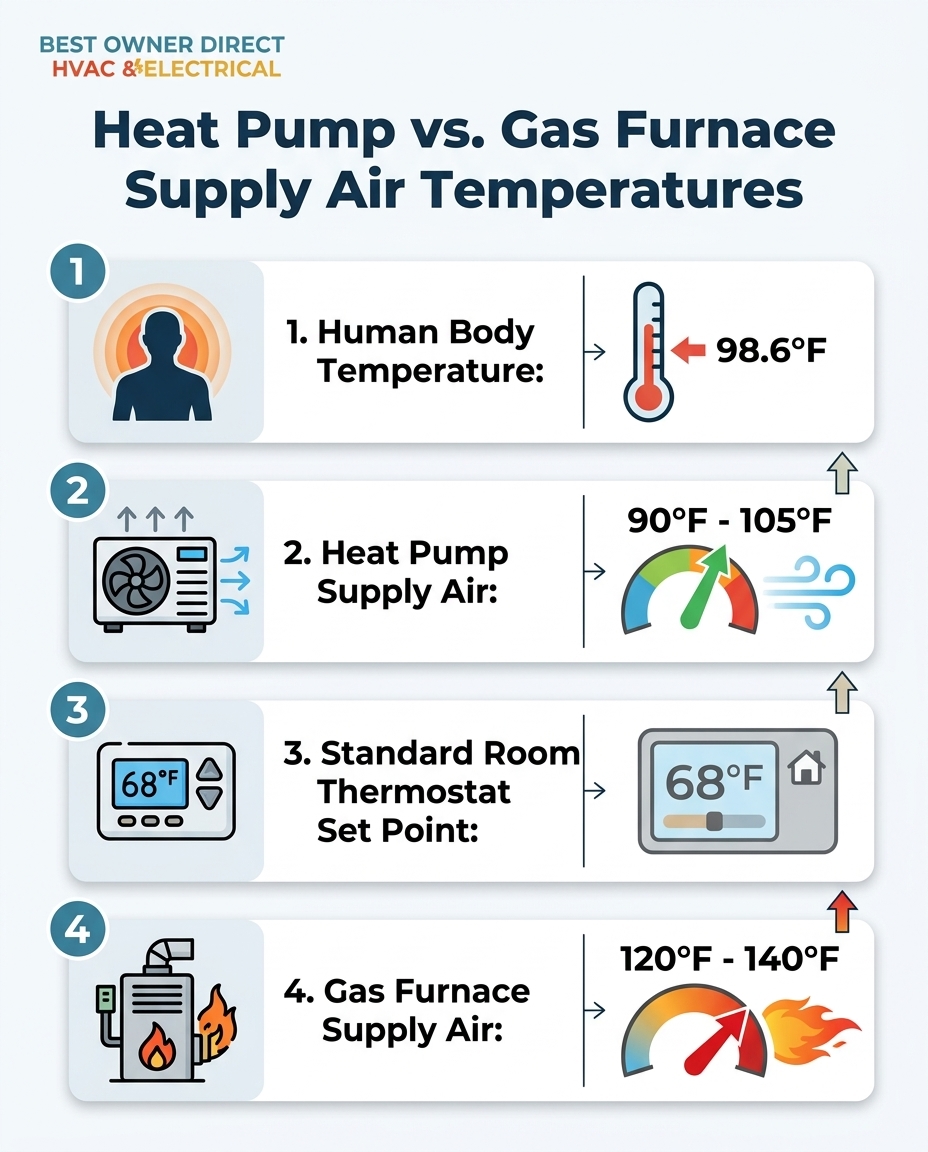
• Your core body temperature: The average human body maintains an internal core temperature of roughly 98.6°F.
• Your skin surface temperature: The temperature of your skin, particularly on your extremities like your hands, typically sits around 91°F to 93°F.
• The standard 90-95°F supply air temperature: A properly functioning heat pump generally produces supply air between 90°F and 105°F.
• The wind chill effect: When air blows across your skin at a temperature that is lower than your core body temperature, the moisture on your skin evaporates slightly, creating a localized cooling effect.
The biological reality: Because the 90-95°F supply air temperature is lower than your 98.6°F core temperature, your brain registers the moving air as a cool breeze. However, if your living room is currently sitting at a chilly 62°F, that 90°F air is significantly warmer than the ambient room temperature. It is mathematically impossible for 90°F air to cool down a 62°F room. The system is actively adding heat to your home; it just isn't adding heat that is hotter than your own body.
In our experience, this sensory illusion is the number one reason homeowners suspect a mechanical failure in the early fall. Your system is doing exactly what it was engineered to do, but your body's natural thermal sensors are misinterpreting the data.
Heat Transfer vs. Combustion: The Science of Supply Air
The confusion surrounding supply air temperatures almost always stems from past experiences with traditional heating methods. If you have spent most of your life living in homes with older heating technology, your baseline expectations are calibrated to a completely different type of thermodynamic process. Understanding the difference between heat transfer and combustion is the key to setting the right expectations for your modern equipment.
When our technicians are out in the field comparing gas furnaces and electric heat pumps with local homeowners, we explain that they are two fundamentally different ways of generating warmth. A traditional gas furnace relies on combustion. It literally burns fossil fuels (natural gas or propane) in a sealed chamber to generate extreme heat. The blower motor then forces air over this intensely hot heat exchanger before pushing it into your home. Because the heat source is a literal flame, the resulting supply air blasts out of your vents at scorching temperatures, typically between 120°F and 140°F. This air is significantly hotter than your body temperature, so it feels undeniably hot to the touch.
Modern electric systems do not burn fuel. Instead, they use advanced refrigeration principles to transfer ambient heat from the outside air into your home. Even when it feels cold outside, there is still thermal energy in the air. The system's refrigerant absorbs this outdoor heat, compresses it to raise its temperature, and transfers it inside. Because it is moving heat rather than creating it with fire, the resulting supply air is much milder, usually hovering around that standard 90-95°F supply air temperature.
• Traditional Gas Furnace — Heating Method: Combustion (burning fuel) — Average Supply Air Temp: 120°F - 140°F — Sensory Perception: Intensely hot to the touch
• Modern Heat Pump — Heating Method: Heat Transfer (moving energy) — Average Supply Air Temp: 90°F - 105°F — Sensory Perception: Lukewarm or mildly cool
Why Slower, Steadier Heat Wins
While the blast of a gas furnace might feel satisfying on a cold morning, we frequently remind our customers that it is not always the most comfortable way to heat a home. Gas furnaces heat a space very rapidly, which often leads to dramatic temperature swings. The system blasts the house with 140°F air, overshoots the thermostat setting, shuts off, and lets the house cool down again before repeating the cycle. This creates noticeable peaks and valleys in your indoor comfort.
Systems that utilize heat transfer operate differently. They provide longer, steadier cycles that continuously gently warm the space. By introducing 90°F air into the room over a longer period, the system maintains an exceptionally even room temperature. You avoid the constant expansion and contraction of ductwork, the sudden blasts of dry air, and the uncomfortable temperature swings. It is a marathon approach to home comfort, rather than a sprint.
Navigating the Regional Fall Climate Advantage
The way your system performs is heavily influenced by the environment outside your walls. For homeowners in Cornelius OR and surrounding Pacific Northwest communities, our team at Best Owner Direct sees firsthand how the local climate provides a massive advantage for this specific type of heating technology. The early fall season here is practically tailor-made for high-efficiency heat transfer.
As September arrives and evening temperatures begin dropping into the 40s and 50s, your thermostat triggers the very first heating cycles of the year. During these mild transitional weeks, there is an abundance of thermal energy available in the outdoor air. The system can absorb this ambient heat with minimal electrical effort. This relationship is measured by a metric called the Coefficient of Performance (COP). When the outdoor air is mild, the COP skyrockets, meaning the system is producing significantly more heating energy than the electrical energy it consumes to operate.
The efficiency sweet spot: In the mild Pacific Northwest climate, your system does not need to rely on energy-heavy auxiliary heat strips during the early fall transition. It can easily maintain a comfortable 68°F indoor environment using only its primary compressor cycle. While the air coming out of the vents might not feel scorching hot, it is warming your home at an incredibly high level of energy efficiency. You are getting maximum comfort for minimal energy expenditure.
We always advise our customers to remember that your system is operating exactly as designed for this specific weather pattern. The moderate supply air temperature is a feature of the regional climate advantage, not a bug. Embracing this steady, efficient operation will help you maintain a comfortable home throughout the entire autumn season without putting unnecessary strain on your equipment.
Defrost Mode: The Temporary Cool Breeze
While the 90-degree biological illusion explains most concerns, there is a specific mechanical function that can cause your system to legitimately blow genuinely cool air into your home. Understanding this process will save you from unnecessary panic when the temperatures outside begin to drop closer to freezing later in the season.
The problem: As late fall turns into winter, the outdoor coil on your unit can become extremely cold. When the outdoor temperature drops and moisture is present in the air, frost and ice can begin to accumulate on the exterior fins of the outdoor unit. If left unchecked, this ice buildup would eventually block airflow entirely, suffocating the system and preventing it from absorbing any heat.
The cause: To protect itself from turning into a block of ice, the system features a built-in, automatic "defrost mode." When internal sensors detect a dangerous level of frost on the outdoor coil, the system temporarily reverses its operation. For a brief period, it switches back into air conditioning mode. It takes heat from inside your home and sends it to the outdoor coil to melt the accumulated ice.
The solution: During this brief defrost cycle, you may feel genuinely cool air coming from your indoor vents. This is entirely normal. Many modern systems will activate auxiliary heat strips to offset this cool breeze, but you might still notice a temporary drop in supply air temperature. The most important thing we tell our customers is to practice patience. A typical defrost cycle only lasts between five and fifteen minutes. Once the outdoor coil is clear of ice, the reversing valve will shift back, and the system will automatically return to its standard, steady heating mode.
Thermostat Best Practices for Consistent Comfort
Because these systems operate on the principle of steady heat transfer rather than rapid combustion, you cannot operate your thermostat the same way you would with older equipment. Trying to force a modern, high-efficiency system to behave like a 1980s gas furnace will only lead to frustration, uneven temperatures, and unnecessarily high energy consumption.
Over our years of optimizing heating systems throughout the Cornelius area, we've found that getting the most out of your equipment this season means adopting a few new habits. Here are the thermostat best practices our technicians most frequently recommend for maintaining consistent comfort:
1. Adopt a "set it and forget it" mentality: The single best way to operate your system is to find a comfortable temperature (usually between 68°F and 72°F) and leave the thermostat alone. The system is designed to run for long, slow cycles to maintain that exact temperature.
2. Stop cranking the dial for rapid heat: If you come home to a chilly house, do not crank the thermostat up to 80°F in an attempt to warm the house faster. The system will not produce hotter air; it will simply run longer. In many cases, a sudden 10-degree jump will trigger the expensive, energy-guzzling auxiliary heat strips, defeating the purpose of your high-efficiency equipment.
3. Minimize aggressive nighttime setbacks: While dropping the temperature by 10 degrees at night makes sense for a gas furnace, it is counterproductive here. The system will have to work incredibly hard the next morning to recover that lost heat. If you prefer to sleep in a cooler house, limit your nighttime setback to no more than 2 to 4 degrees.
4. Trust the ambient room reading, not the vent: Stop checking the temperature by putting your hand over the register. If your thermostat is set to 68°F and the room thermometer reads 68°F, the system is working flawlessly, regardless of how the supply air feels against your skin.
By maintaining a steady, consistent thermostat setting, you allow the 90-degree supply air to continuously and gently maintain the room's warmth, maximizing both your comfort and your system's operational lifespan.
When Does Lukewarm Air Actually Mean You Need a Repair?
We have established that a lukewarm breeze is usually a sign of normal, efficient operation. However, mechanical failures do happen, and there are specific times when cooler air coming from your vents actually indicates a genuine problem that requires professional intervention. The key is knowing how to differentiate between the biological illusion of cool air and an actual equipment malfunction.
The baseline for normal operation: The ultimate test of your system is the ambient temperature of your home. If you set your thermostat to 68°F, and the room reliably reaches and maintains 68°F, your equipment is working perfectly. You do not need a repair, no matter what the air feels like coming out of the vent.
However, if you notice any of the following symptoms, it is time to call our team for a professional evaluation:
• The room temperature is actively dropping: If your thermostat is set to 70°F, but the indoor temperature continues to fall to 65°F, 64°F, and below while the system is running, the equipment is failing to transfer enough heat.
• The system runs endlessly without satisfying the thermostat: While long cycles are normal, a system that runs for hours on end without ever reaching the target temperature is struggling.
• The air is genuinely room temperature or colder: If the air blowing from the vents is 65°F (the same as the chilly room), the compressor may have failed, or the system may be critically low on refrigerant.
• Strange noises accompany the cool air: Grinding, hissing, or loud rattling sounds combined with poor heating performance indicate a mechanical failure that needs immediate attention.
When these genuine symptoms appear, the culprits often require specialized tools to diagnose. You might be dealing with a slow refrigerant leak, a failing compressor valve, or a malfunctioning reversing valve. For instance, our technicians at Best Owner Direct recently helped a Cornelius homeowner whose system couldn't keep up with dropping September evening temperatures. Because we know what a healthy system looks like, our team was able to quickly diagnose and resolve a failing reversing valve, leaving the customer highly satisfied with a fully restored system.
At Best Owner Direct, we prioritize honest homeowner education. We would much rather explain normal baseline temperatures to save you an unnecessary diagnostic fee if your system is actually fine. But when your equipment genuinely underperforms, we are ready to deliver exceptional service. If you are experiencing actual signs of failure, investing in a preventative maintenance plan and scheduling a professional diagnostic visit is the safest way to protect your home's comfort.
Frequently Asked Questions About Heat Pump Temperatures
What temperature should air coming out of a heat pump be?
Under normal operating conditions, the air coming out of the vents should be between 90°F and 105°F. This temperature is mathematically more than sufficient to warm a home to a comfortable 68°F to 72°F. While this supply air is much cooler than the 120°F+ air produced by a gas furnace, it represents highly efficient, steady heat transfer.
Why does my heat pump air feel cool to the touch?
The air feels cool because of basic human biology. Your core body temperature is 98.6°F, and your skin temperature is usually in the low 90s. When 90°F air blows across your skin, it is cooler than your body's natural baseline, creating a sensory illusion of a cool breeze, even though the air is actively warming your colder room.
How do I know if my heat pump is working correctly in the fall?
We always tell our customers that the most reliable way to check your system's performance is to look at your indoor thermostat, not by feeling the air at the vents. If you set the thermostat to 68°F and the room successfully reaches and maintains 68°F, your system is working correctly. Long, quiet cycles that maintain a steady ambient temperature are the hallmark of proper operation.
Should a heat pump blow hot air like a gas furnace?
No, it should not. Gas furnaces use combustion to burn fossil fuels, creating extreme heat blasts between 120°F and 140°F. Modern electric systems use refrigeration principles to absorb and transfer ambient heat, resulting in a much milder, steadier supply air temperature. Expecting your new system to feel like an old gas furnace will only lead to unnecessary worry.
Why is my heat pump blowing cold air on heat mode?
If the air is genuinely cold (room temperature or lower) and the house is actively losing heat, you may have a mechanical issue such as low refrigerant, a failing compressor, or a stuck reversing valve. Alternatively, the system may simply be in a temporary 5-to-15-minute defrost cycle to melt ice off the outdoor unit. If the cold air persists and the room temperature drops, a professional diagnostic from our team is required.
Enjoying Reliable Comfort All Season Long
Transitioning into the cooler months doesn't have to be a source of stress. Once you understand that a 90-degree breeze from your vents is actually a sign of an efficient, hard-working system, you can stop second-guessing your equipment. Trust your thermostat readings over your hand-tests, and embrace the steady, consistent comfort that modern heat transfer technology provides.
If you have monitored your ambient room temperature and still feel that your system is struggling to keep up with the autumn chill, don't ignore the warning signs. Reach out to our team at Best Owner Direct HVAC & Electrical for a comprehensive pre-season tune-up. We will verify your refrigerant levels, test your compressor, and ensure your system is perfectly calibrated for the upcoming winter, giving you total peace of mind all season long.


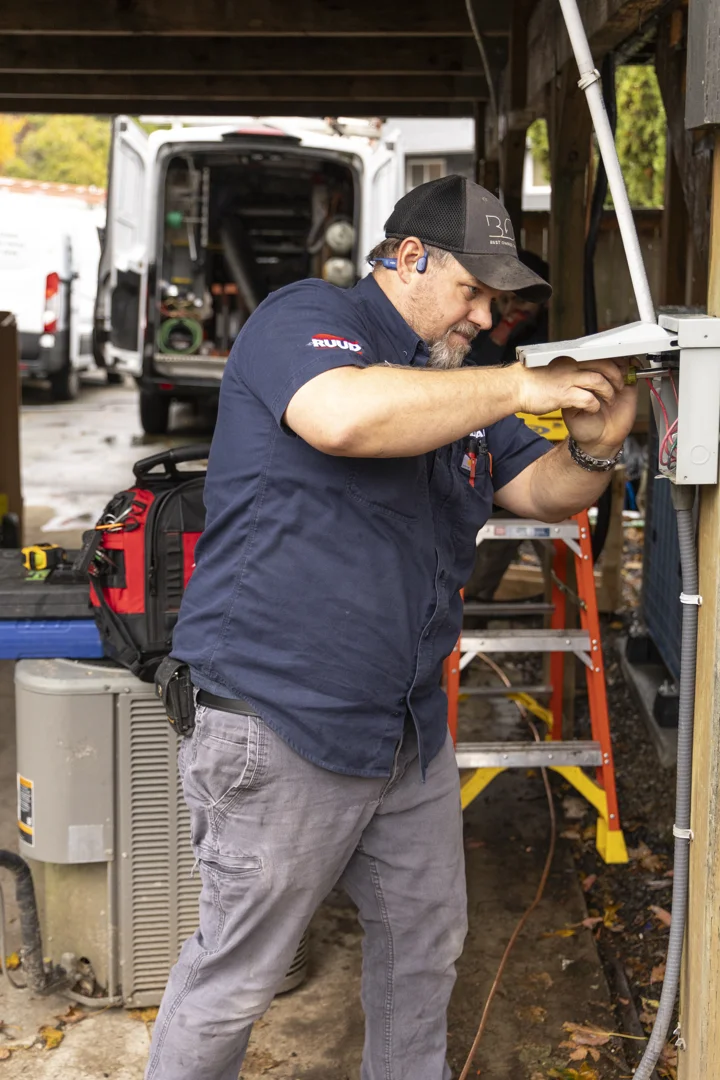
How to Fix Refrigerant Leaks: Causes and Repair Tips for Portland HomesLearn how refrigerant leaks happen and how they are repaired in Portland homes, from diagnosis to professional repair for lasting cooling comfort.
Read more
Should I Upgrade My Thermostat When I Service My Furnace?Early fall temperature swings can make older manual thermostats frustrating. Find out if bundling a smart thermostat upgrade with your annual furnace tune-up is the best move.
Read more
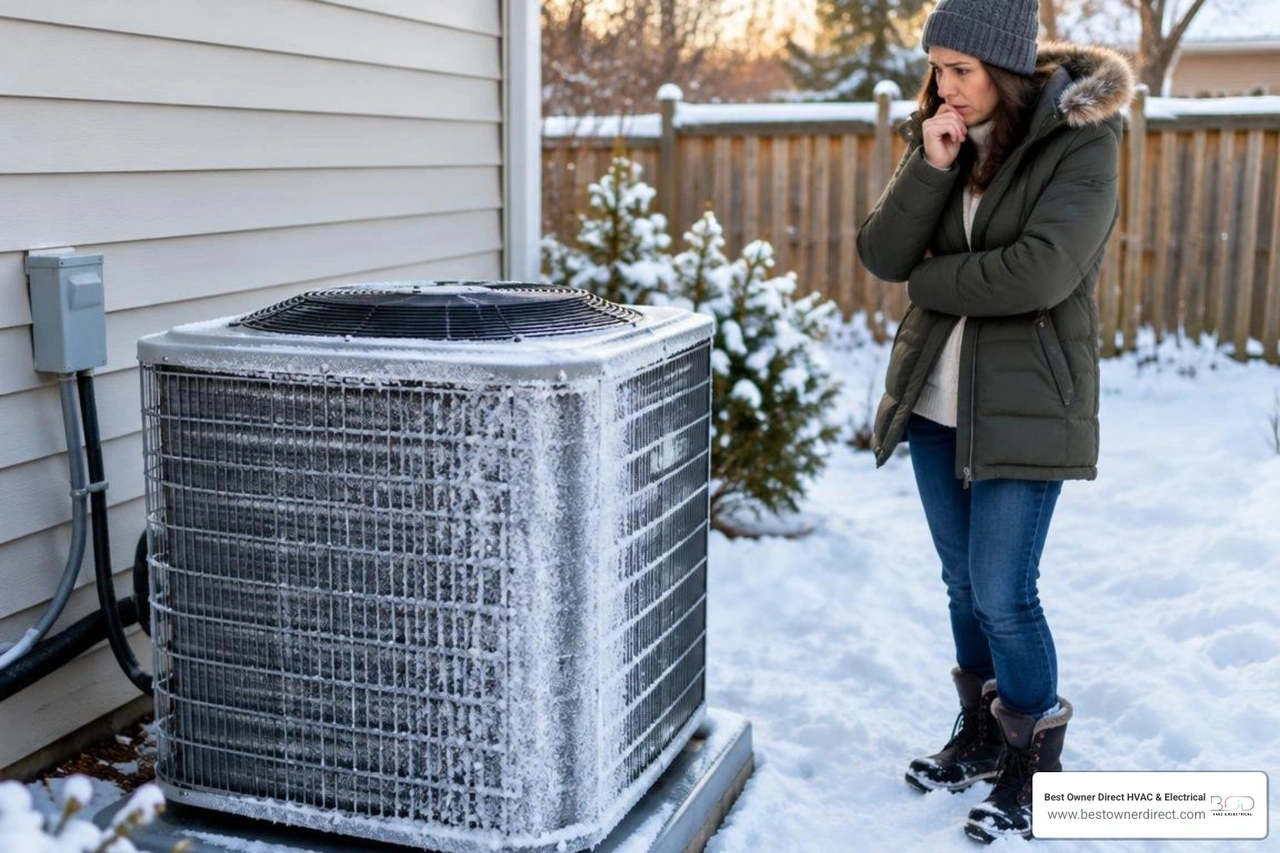
My Heat Pump Is Blowing Cold Air in Oregon City: Who Do You Recommend for Fast Repairs?Is your heat pump blowing cold air in heating mode? Learn why and get fast, reliable heat pump repair in Oregon City from Best Owner Direct HVAC & Electrical.
Read more