Menu


The Hidden Enemy of Winter Comfort
Your furnace is running constantly, but the back bedrooms still feel drafty and cold. If you want to stop paying to heat your crawlspace, prioritizing sealing leaky ductwork before the winter cold sets in is the most impactful step you can take. In our years of servicing homes across the Cornelius area, we often see homeowners mistakenly assume that a struggling heating system means the furnace itself is failing. In reality, our team knows firsthand that a furnace is only as effective as the network of ducts delivering that warm air throughout the house.
As we approach the September pre-heating transition, the damp, early fall chill typical of the Pacific Northwest serves as a sharp reminder to check your system. Turning on the heat for the first time often reveals a concrete problem we encounter daily: losing freshly heated air into cold, damp, unconditioned crawlspaces. Before you flip the thermostat fully over to winter mode, evaluating the entire thermal envelope of your home is critical.
Relying on our professional HVAC services ensures that your delivery system is actually capable of moving warm air from the blower motor to your living space without bleeding heat along the way.
How Unconditioned Spaces Steal Your Home's Heat
The Problem: The space beneath your floorboards is actively fighting your furnace. When our team inspects Cornelius OR area homes with unconditioned crawlspaces, we frequently find them trapping damp, cold air throughout the fall and winter. These spaces become massive heat sinks. When the temperature drops outside, the air inside an unconditioned crawlspace can hover just above freezing, creating a drastic temperature differential between the freezing environment and the 120-degree air pushing through your ductwork.
The Cause: Heat naturally moves toward cold. This is a basic law of thermodynamics. If your ductwork has unsealed joints, disconnected elbows, or tiny punctures, the pressurized heated air escapes directly into the freezing crawlspace. Even worse, the thin metal of uninsulated or poorly sealed ducts radiates heat outward. You are effectively paying to warm the dirt under your house before the air ever reaches your living areas.
The Solution: We always remind our customers that a high AFUE (Annual Fuel Utilization Efficiency) rating on a top-tier furnace is entirely wasted if the delivery system is compromised. Securing the ductwork stops this thermal penalty in its tracks.
The Mechanics of Thermal Loss
• Direct Air Leakage: Pressurized warm air escapes through physical gaps in the sheet metal joints.
• Conductive Heat Transfer: Cold crawlspace air cools the thin metal of the ductwork, chilling the warm air as it travels to distant rooms.
• Convective Drafts: Escaping air creates air currents in the crawlspace that pull even more heat away from the duct surfaces.
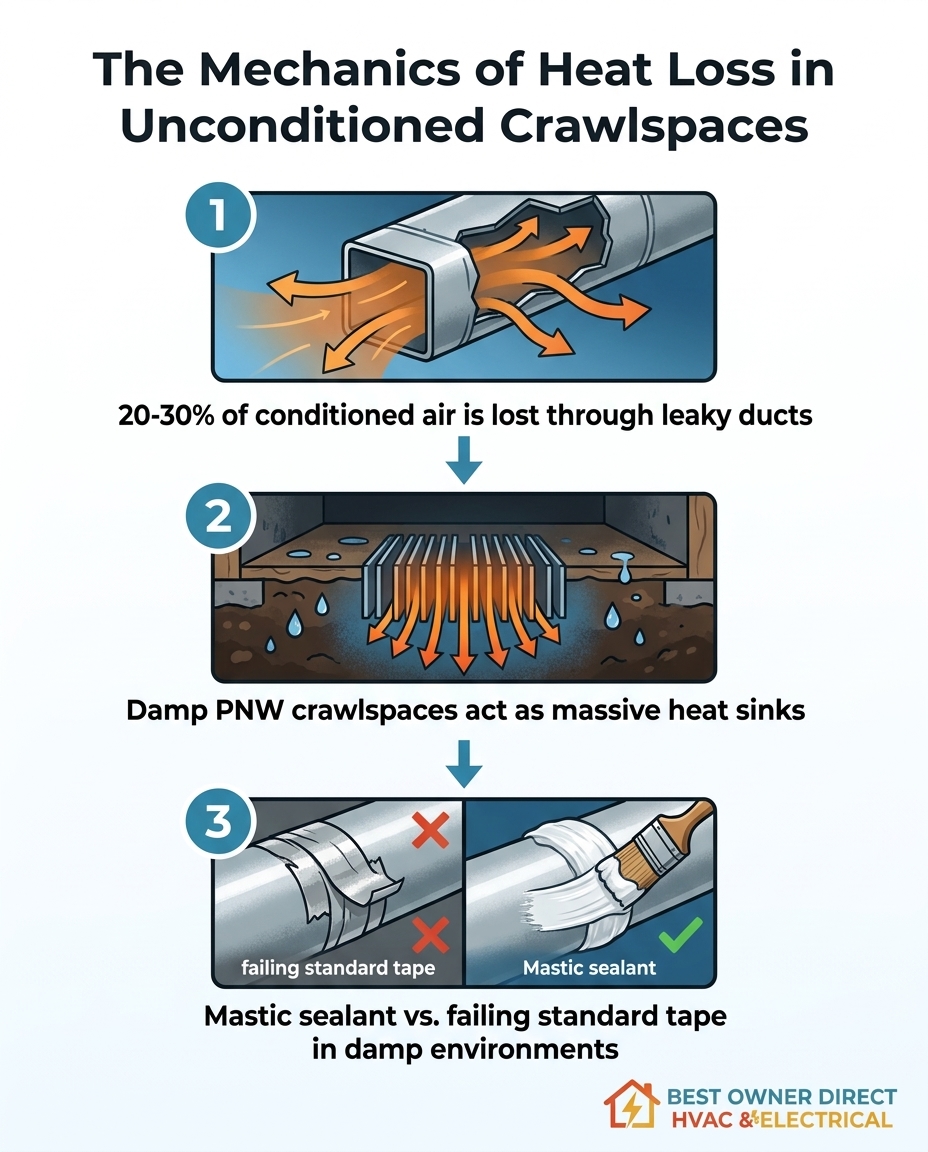
The Hidden Cost of the 30 Percent Air Loss Rule
The financial and mechanical impact of unsealed ductwork goes far beyond a slightly chilly room. According to EnergyStar data, 20 to 30 percent of the air moving through a typical home's duct system is lost to leaks, holes, and poorly connected joints. Over a long, cold winter in Cornelius OR area homes with unconditioned crawlspaces, our technicians regularly see this compounding energy waste force the furnace to run significantly longer cycles just to satisfy the thermostat.
However, the hidden cost we warn homeowners about is not just lost heat—it is home depressurization. When heated air is blown into the crawlspace instead of your living room, it creates a pressure imbalance. The house becomes depressurized, which means it actively sucks in cold, unconditioned air from outside through window frames, door gaps, and the attic to replace the lost volume. You end up heating the outdoors while pulling cold drafts indoors.
This duct integrity issue connects directly to broader system airflow problems we diagnose in the field. Both leaks (which drop system pressure) and blockages force the blower motor to overwork. Understanding how blocked return vents suffocate your heating system is just as important as understanding how supply leaks drain its power. Both scenarios severely shorten the lifespan of your heating equipment.
Recognizing the Signs of Compromised Airflow
Mechanical heat loss translates directly into frustrating symptoms that you can feel in your living spaces. Because Cornelius OR area homes with unconditioned crawlspaces are particularly vulnerable to these thermal drops, tracking these symptoms early in the season can save you from a mid-winter breakdown.
For example, our team recently worked with a local property manager dealing with ongoing heating and cooling issues since 2013. We found that consistent, reliable professional maintenance of both the equipment and the ductwork delivery system was the key to finally stabilizing temperatures across their property. If your system is struggling, we recommend watching for these specific signs:
1. Uneven Room Temperatures: Rooms furthest from the furnace blower motor suffer the most. By the time the air travels through a leaky duct run, the pressure has dropped so low that only a weak trickle of lukewarm air reaches the vent.
2. A Furnace That Never Stops: If your furnace runs constantly but the house still feels cold, the thermostat is never being satisfied because the heat is escaping into the crawlspace.
3. Drafty Hallways and Floors: As depressurization pulls cold air in from the outside, you will notice distinct cold spots and drafts near exterior walls and floorboards.
4. Excessive Dust Buildup: When the blower motor turns off, depressurized leaky ducts can actually pull dusty, damp air from the crawlspace back into the system, blowing it into your home during the next cycle.
5. Unexplained Energy Bill Spikes: If your usage spikes dramatically compared to the same month last year without a change in weather, compromised airflow is a likely culprit.
In our experience, ongoing heating and cooling issues are frequently misdiagnosed as failing equipment when the ductwork is the real culprit. Addressing these symptoms during the early fall ensures you aren't caught off guard when temperatures plummet.
Why Standard Tape Fails in Damp Pacific Northwest Crawlspaces
The Problem: We often see homeowners attempt to patch a separated duct joint with standard hardware store "duct tape." Within a single season, the tape peels away, curls at the edges, and leaves the joint completely exposed again.
The Cause: Extreme moisture and temperature fluctuations degrade standard adhesives rapidly. In the dampness of Pacific Northwest crawlspaces during fall and winter, condensation forms on the exterior of the metal ducts. This moisture, combined with the extreme heat of the air inside the duct and the freezing air outside, destroys the chemical bond of standard tape. Cornelius OR area homes with unconditioned crawlspaces present an incredibly harsh environment for basic adhesives.
The Solution: This is exactly why our technicians never rely on standard tape. Professional sealing requires specialized materials designed to withstand these exact conditions. Navigating tight, hazardous unconditioned spaces to locate hidden disconnects requires our professional diagnostic tools to ensure no leaks are missed.
• Standard "Duct" Tape — Adhesion Quality: Weak; relies on basic glue — Moisture Resistance: Poor; peels when exposed to condensation — Lifespan in PNW Crawlspaces: Months (often fails in one winter)
• Foil HVAC Tape — Adhesion Quality: Moderate; uses acrylic adhesive — Moisture Resistance: Moderate; better than cloth tape — Lifespan in PNW Crawlspaces: 1-3 Years (vulnerable to extreme cold)
• Professional Mastic Sealant — Adhesion Quality: Permanent; bonds directly to metal — Moisture Resistance: Excellent; cures into a rubberized shell — Lifespan in PNW Crawlspaces: Decades (permanent solution)
Our professional standard involves using a thick, rubberized mastic sealant painted over mechanical fasteners (like sheet metal screws). This creates a permanent, airtight, and moisture-proof joint that will not degrade, regardless of how damp the crawlspace gets.
The Importance of Comprehensive Ductwork Diagnostics
We consider evaluating the ductwork a mandatory step before investing in any new heating equipment. A rushed, superficial glance with a flashlight will not uncover the hidden disconnects buried under crawlspace insulation. Thorough diagnostics require testing the static pressure of the entire system to measure exactly how much air is being lost between the blower motor and the final vent.
Working with our team at Best Owner Direct ensures that these hidden ductwork inspections are done thoroughly and correctly, directly under our owner-level oversight, without the franchise rush or hidden markups. When we evaluate a system, we inspect every hidden run, check the integrity of the plenum, and ensure the return air side is completely sealed. This level of accountability is what separates a quick patch job from a permanent efficiency upgrade.
Sealing leaky ductwork directly improves overall equipment longevity. It is especially critical for heat pump efficiency. Heat pumps deliver a lower, more consistent temperature than gas furnaces. If a heat pump loses 30 percent of its warmth to a leaky crawlspace in Cornelius OR area homes with unconditioned crawlspaces, the system will struggle to keep the home comfortable on the coldest days. (Note: Generic federal tax credits or local utility incentives may apply to qualifying high-efficiency heat pump installations, though we always recommend verifying current programs with your utility or tax professional.)
Why September is the Critical Transition Window
Timing your ductwork inspection matters. We always advise our customers that September is the ideal transition month to address airflow issues before nighttime temperatures drop significantly. Once the first real freeze hits, HVAC schedules fill up instantly with emergency no-heat calls, making it harder to schedule comprehensive duct sealing.
The logistical benefits of acting during the September pre-heating transition are clear. You avoid the peak winter breakdown season, and you ensure your system is fully optimized before it has to run a heavy cycle. For example, when we helped a local homeowner replace an old and messy HVAC system last fall, integrating a full duct evaluation into our installation cleanup ensured the new equipment wasn't immediately handicapped by pushing air into a compromised network.
Proactive scheduling puts you in control. A thorough duct inspection and static pressure test can be seamlessly integrated into our annual maintenance plan, giving you the confidence that your home is ready for whatever the Pacific Northwest winter brings.
Frequently Asked Questions About Duct Sealing
How much energy is lost through leaky ducts?
According to Energy Star, a typical home loses 20 to 30 percent of the air moving through its duct system due to leaks, holes, and poor connections. In our field experience, this massive energy waste forces your heating equipment to work much harder to maintain the temperature on your thermostat, driving up utility bills significantly over the course of a winter.
Why are some rooms colder than others in winter?
Rooms furthest from the furnace often receive less airflow if duct pressure drops along the way due to unsealed joints allowing heated air to escape. By the time the air reaches the end of the duct run, there is simply not enough velocity or heat left to properly warm the space, resulting in noticeable cold spots.
Is it worth it to seal ductwork?
Yes, we strongly believe sealing ductwork is worth it. It improves comfort, reduces the workload on your furnace, and prevents heated air from being wasted in unconditioned spaces. It is one of the most cost-effective ways to extend the lifespan of your HVAC equipment while permanently lowering your monthly energy consumption.
How do you know if your ducts are leaking in a crawlspace?
Signs we tell homeowners to watch for include unusually high energy bills, excessive dust in the home, drafty rooms, and a furnace that struggles to reach the thermostat setting. In Cornelius OR area homes with unconditioned crawlspaces, you might also notice the floors feeling exceptionally cold right above the duct runs.
How does duct sealing impact indoor air quality during winter?
Sealing prevents the duct system from acting as a vacuum that pulls damp, dusty, or moldy air from the crawlspace into the living areas. When ducts are airtight, the only air circulating through your home is the air that has been properly filtered and conditioned by your HVAC system.
Secure Your Home's Thermal Envelope Today
There is a profound sense of satisfaction in knowing your system is delivering all its warmth directly to your living space, rather than bleeding it away into the dirt beneath your floorboards. Taking action during the September pre-heating transition ensures you aren't paying for wasted energy once the freezing weather arrives.
Don't wait until your system is struggling to keep up with the cold. Exploring an evaluation of your heating systems and ductwork with our team today will secure your home's thermal envelope, lower your energy waste, and keep your family consistently comfortable all winter long.


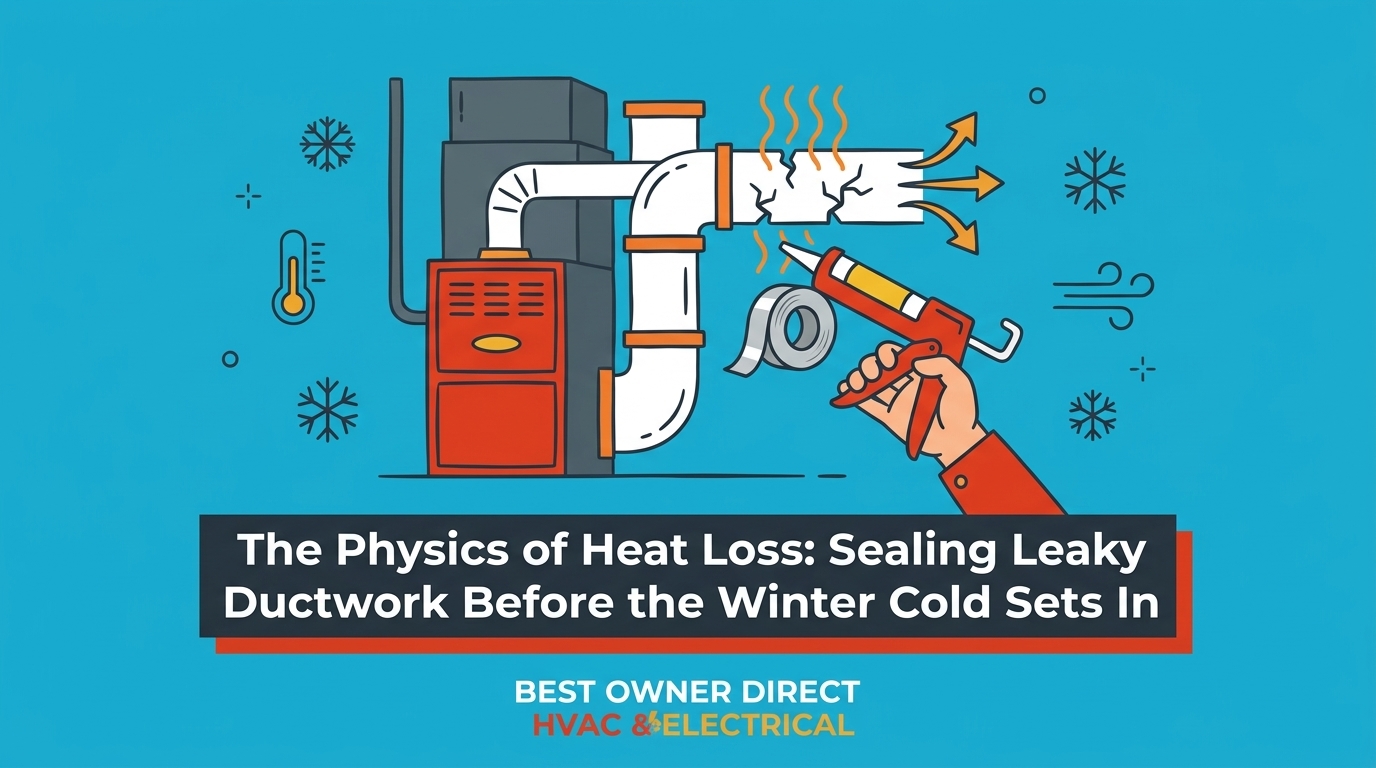
Sealing Leaky Ductwork Before the Winter Cold Sets InYour furnace is only as effective as the ducts delivering its warmth. If you're tired of drafty rooms, securing your system's thermal envelope is the first step to true winter comfort.
Read more
All About How a Mini Split Adds Value to Your HomeLearn how a mini split adds value to your home with energy savings, zoned comfort, and increased property valuation.
Read more
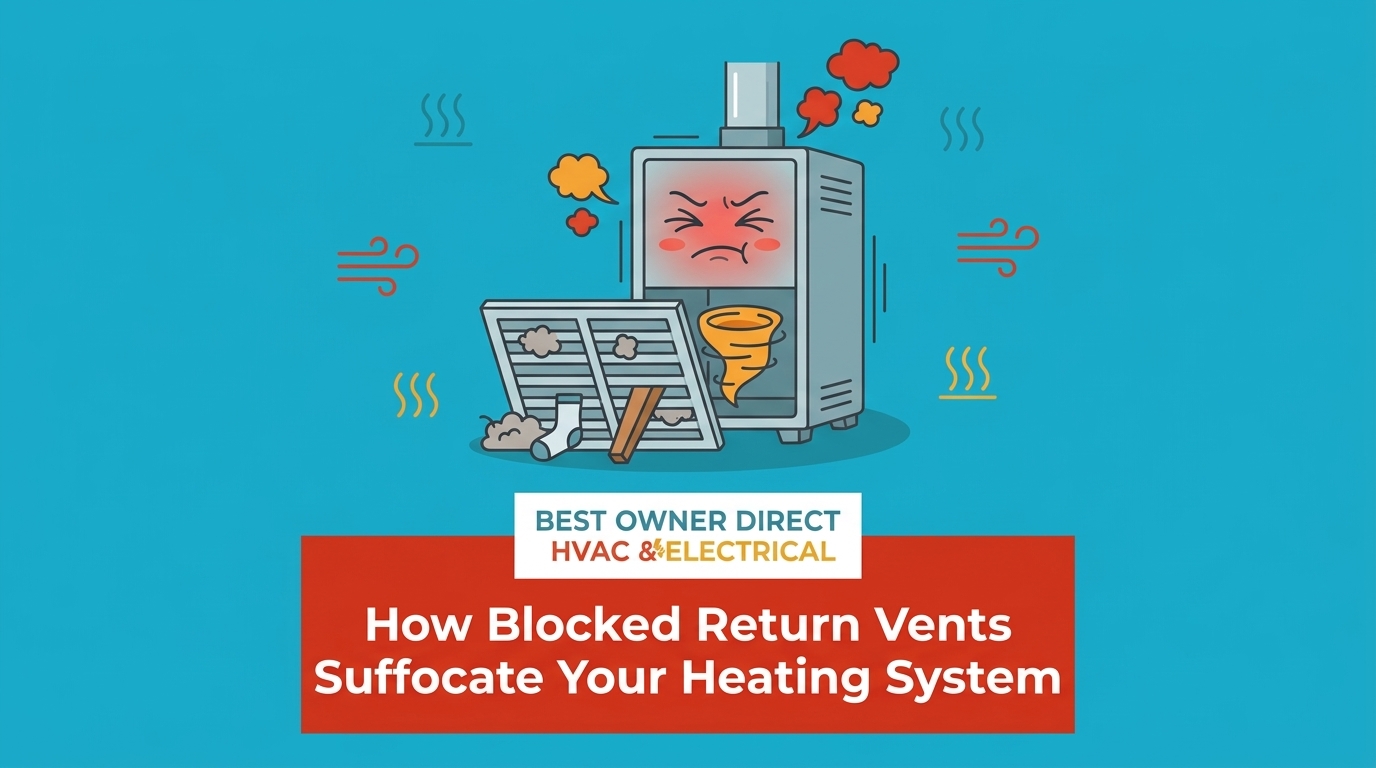
How Blocked Return Vents Suffocate Your Heating SystemMany homeowners accidentally cover large return grilles when rearranging furniture for the fall. Find out how this simple mistake starves your furnace of airflow and causes it to overheat.
Read more