Menu


The Hidden Thermodynamic Threat to Late Summer Cooling
A buildup of just 1/100th of an inch of dirt on an indoor coil can reduce a system's overall efficiency by 5 percent. Because of this staggering statistic, prioritizing Late Summer Evaporator Coil Cleaning: Catching Grime Before It Freezes is the only reliable way to protect your equipment from a sudden, cascading failure. By the time August arrives, your cooling equipment has been running continuously for months. In order to keep your indoor environment comfortable during peak heat, the system must move massive volumes of air through the return ducts, over the filter, and across the delicate internal components. While high-quality filters catch the majority of airborne particulates, they cannot catch everything. Over the course of the season, microscopic debris inevitably slips through and begins to settle directly onto the damp surfaces of the indoor unit.
This steady accumulation creates a hidden thermodynamic threat that most homeowners do not notice until it is too late. The baseline physics of heat transfer rely on clean metal surfaces to move thermal energy efficiently. When those surfaces are coated in a layer of grime, the system has to work exponentially harder to achieve the same cooling results. The decision point you face right now is critical: you can either address the subtle signs of reduced cooling performance early, or you can wait until the accumulated dirt causes the entire system to freeze over, resulting in a complete shutdown.
Taking action early prevents unnecessary wear and tear on your expensive compressor and blower motor. To keep your home consistently comfortable, you need reliable air conditioning systems supported by a proactive routine HVAC maintenance plan.
Understanding the Micro-Layer Insulation Effect
To truly understand why a system fails in late summer, you have to look at the technical mechanics of how your equipment actually cools the air. The primary function of your evaporator coil is to absorb heat from the indoor air. Inside the unit, cold liquid refrigerant flows through a network of copper tubes. Attached to these tubes are hundreds of closely spaced aluminum fins, which are designed to maximize the surface area available for heat exchange. As the warm air from your home blows across these cold metal fins, the refrigerant absorbs the thermal energy, boils into a gas, and carries the heat outside to the condenser.
However, a thin layer of dust completely disrupts this delicate process. Dirt, pet dander, and airborne particulates act as a highly effective thermal blanket. Even a micro-layer of grime creates a physical, insulating barrier between the warm indoor air and the cold refrigerant waiting inside the copper tubes. Because the heat cannot penetrate the dirt layer efficiently, the thermal transfer is severely bottlenecked.
This creates a dangerous chain reaction within the closed-loop system. When the heat from your home is not properly absorbed, the refrigerant inside the coil remains far too cold. As the cold refrigerant continues to circulate without picking up its expected heat load, the surface temperature of the entire coil assembly begins to drop rapidly. Eventually, the temperature of the metal plunges below the freezing point. During late summer, when the thermostat demands longer run cycles to combat the afternoon heat, this insulation effect becomes a critical point of failure.
Why Normal Condensation Turns to Ice
As your indoor unit cools the air, it naturally pulls humidity and moisture out of circulation. This process creates condensation, which normally forms as water droplets on the metal fins and drips harmlessly down into a drain pan. This dehumidification is a normal and necessary part of the cooling process.
However, when the coil is insulated by dust and becomes super-cooled, that normal condensation changes behavior. Instead of dripping away, the moisture freezes instantly upon contact with the sub-zero metal. What starts as a tiny, barely visible patch of frost quickly cascades into a solid, impenetrable block of ice. Ice is an even stronger thermal insulator than dust, which means once the freezing process begins, it accelerates rapidly. The solid block of ice severely restricts airflow through the fins, choking the system and forcing the blower motor to strain against the blockage.

Environmental Factors Accelerating Coil Buildup
The specific timing of end-of-season cooling failures is rarely a coincidence. Months of dry-season particulate accumulation culminate by the end of the cooling season, pushing struggling systems past their breaking point. In Cornelius area homes, the late summer brings a highly specific set of environmental challenges that directly impact the health of your indoor equipment. The lingering heat combined with a lack of rainfall creates an environment where airborne particulates thrive.
Furthermore, the agricultural surroundings of the region play a massive role in what ends up inside your ductwork. As harvest season approaches and the dry weather persists, there is a significant increase in agricultural pollen, dry soil dust, and organic chaff in the outdoor air. Every time a door opens, or every time your system pulls in fresh air, these microscopic regional particulates enter the home. Because the indoor coil is constantly damp from condensation, it acts like a giant magnet for this dry dust, trapping it against the fins.
Prolonged run times during late-season heat waves compound the volume of air and debris passing over the coil. The longer the blower motor runs to keep the house cool, the more cubic feet of dusty air is processed through the system. If you live in one of our local service areas, your equipment is likely experiencing this exact combination of high usage and high particulate matter right now. This creates the perfect storm for blocked airflow, accelerating the buildup of grime just when you need your cooling system to perform at its absolute best.
Identifying Dirty Evaporator Coil Symptoms Before Failure
Recognizing the early warning signs of restricted airflow can save you from a complete system breakdown during the hottest weeks of August. As the micro-layer of insulation takes hold and the coil begins to drop in temperature, your equipment will start sending clear distress signals. Catching these issues early allows you to intervene before the compressor suffers permanent damage.
Here are the exact dirty evaporator coil symptoms you should watch for as airflow restricts:
• Constant running with no temperature drop: Your AC runs constantly, but the indoor temperature never actually reaches the setting on your thermostat. The system is moving air, but the thermal barrier prevents it from actually cooling that air.
• Visible frost on outdoor lines: You may notice white frost or solid ice forming on the thick, insulated copper refrigerant line connected to your outdoor condenser unit. This indicates the refrigerant is returning to the compressor far too cold.
• Water pooling indoors: As the system cycles off, the block of ice on the indoor coil begins to melt rapidly. This sudden rush of water can easily overwhelm the drain pan, leading to leaks and water pooling around the base of the indoor unit.
• Spiking energy consumption: Because the system is struggling against the insulation effect, it requires significantly more electricity to run longer cycles. If your late-summer utility bills are unusually high, poor heat transfer is a likely culprit.
• Weak or warm airflow: If the air coming from your supply vents feels weak, restricted, or barely cool to the touch, the indoor coil may already be partially blocked by a layer of grime or early frost accumulation.
Transparent Diagnostics: Solving the Root Cause
When a system freezes up completely, it can be an incredibly stressful moment for a homeowner. Unfortunately, some companies use a frozen system as an opportunity to push for premature and expensive equipment replacements, claiming the unit is beyond repair. However, a frozen coil is usually just a symptom of airflow restrictions or refrigerant issues, both of which can often be solved by a meticulous, professional cleaning.
This is where the "Owner Direct" philosophy makes a tangible difference in the level of service you receive. We prioritize honest, transparent diagnostics and targeted cleaning over high-pressure sales tactics. We believe in finding the actual root cause of the failure rather than treating every breakdown as an excuse to sell new equipment. For example, during a recent summer heat wave, one homeowner reached out because their very old HVAC system had completely stopped working. They were unsure of the issue and feared the worst. Instead of immediately quoting a full replacement, the technician took the time to find the real problem, swapped a single faulty part, and thoroughly cleaned the heavily soiled filter and condenser. The outcome was exactly what the homeowner needed: the older system was restored and began blowing cold air better than it had before.
An expert diagnostic approach involves assessing the physical condition of the coil, measuring static pressure and airflow metrics, and evaluating the home's filtration system to confirm that dust is indeed the culprit. By relying on professional HVAC services that value integrity, Cornelius area homes can confidently resolve freezing issues without the fear of being oversold.
Why Evaporator Coil Cleaning Requires Professional Expertise
When you are dealing with a struggling AC in late summer, it can be tempting to search for a quick DIY fix to restore your airflow. However, accessing and cleaning an indoor coil is highly specialized work that requires specific tools, chemical knowledge, and safety training. Attempting to clean the components yourself often results in catastrophic damage to the equipment.
The aluminum fins on an evaporator coil are incredibly delicate. They are thinner than a standard piece of paper and bend under the slightest pressure. If you attempt to brush, scrub, or vacuum the coil with standard household tools, you risk crushing the fins completely flat. Crushed fins permanently block airflow through that section of the coil, which will cause the exact freezing problem you were originally trying to prevent. Repairing crushed fins is tedious, expensive, and sometimes impossible without replacing the entire coil assembly.
Professionals use specific, non-acidic foaming chemicals that are engineered specifically for HVAC applications. These specialized solutions are sprayed deeply into the coil block, where the foam expands to safely push dirt, dust, and biological growth out from the center of the coil. This chemical process lifts the grime without corroding the delicate aluminum or damaging the copper tubing.
Furthermore, simply accessing the evaporator coil often involves navigating sealed ductwork plenums, removing structural sheet metal panels, and working in very close proximity to highly pressurized refrigerant lines. Mishandling these panels can break the mastic seals that keep your ductwork airtight, while bumping a refrigerant line can cause a dangerous chemical leak. Because of the safety risks and the fragility of the components, this maintenance must remain strictly in the hands of a licensed professional.
Frequently Asked Questions About Evaporator Coil Freezing
What are the dirty evaporator coil symptoms?
The most common dirty evaporator coil symptoms include weak airflow from your vents, the AC running constantly without actually cooling the house, and visible frost forming on the copper refrigerant lines. You might also notice unexplained water pooling around the base of your indoor unit or a sudden, sharp spike in your monthly energy bills. Recognizing these signs early in late summer gives you the opportunity to schedule a professional cleaning before a solid block of ice forms and shuts down the system entirely.
Why does my AC freeze up in late summer?
Your AC freezes up in late summer because months of accumulated dust act as a powerful thermal insulator on the indoor coil. This layer of dirt prevents the cold liquid refrigerant inside the tubes from absorbing ambient heat from your home's air. When the heat isn't absorbed properly, the surface temperature of the coil drops below freezing, causing normal condensation to turn into ice rather than dripping into the drain pan.
Does a dirty coil stop an AC from cooling?
Yes, a dirty coil significantly reduces an air conditioner's ability to cool your home, even if the blower motor continues to run. Just a tiny fraction of an inch of dust creates a thermal barrier that severely blocks heat transfer between the air and the refrigerant. The system will continue to consume maximum electricity, but the air coming out of your supply registers will feel weak, restricted, and uncomfortably warm.
Can a dirty evaporator coil permanently damage the compressor?
Yes, a severely dirty evaporator coil can lead to catastrophic and permanent compressor failure if left unaddressed. When the indoor coil freezes solid, liquid refrigerant can flow backward into the outdoor compressor—a critical component designed strictly to pump gas, not liquid. This dangerous condition, known in the industry as "slugging," can destroy the internal compressor valves and require a highly expensive system repair.
How often should an evaporator coil be professionally cleaned?
An evaporator coil should generally be inspected and professionally cleaned at least once a year during your routine preventative maintenance visit. In areas with high agricultural dust, heavy pollen, or if you have multiple shedding pets indoors, you may need a professional assessment more frequently. Keeping the coil clean ensures the system maintains proper heat transfer and runs efficiently all the way through August.
Restore Your Cooling Efficiency for the Rest of the Season
Removing the micro-layer of dust from your indoor unit is the only effective way to restore proper heat transfer, stop the freezing cycle, and protect your equipment from long-term damage. As we move through August and the final stretches of late summer, do not ignore a cooling system that is clearly struggling to keep up with the afternoon heat. Ignoring the problem will only lead to higher utility bills and the very real risk of a complete compressor failure.
If you are noticing any dirty evaporator coil symptoms, it is critical to address them immediately before the ice causes permanent damage to your vital components. Schedule a professional, transparent diagnostic cleaning to ensure your equipment finishes the cooling season strong and efficiently. To keep your system running at peak performance year after year without the stress of sudden breakdowns, ask your technician about enrolling in a routine HVAC maintenance plan today.


The Electrical Toll of a Struggling HVAC System on Your Home's BreakersAn aging air conditioner does not just lose cooling power; it actively stresses your electrical panel. A tripping breaker during late summer heat is a warning sign requiring professional diagnosis.
Read more
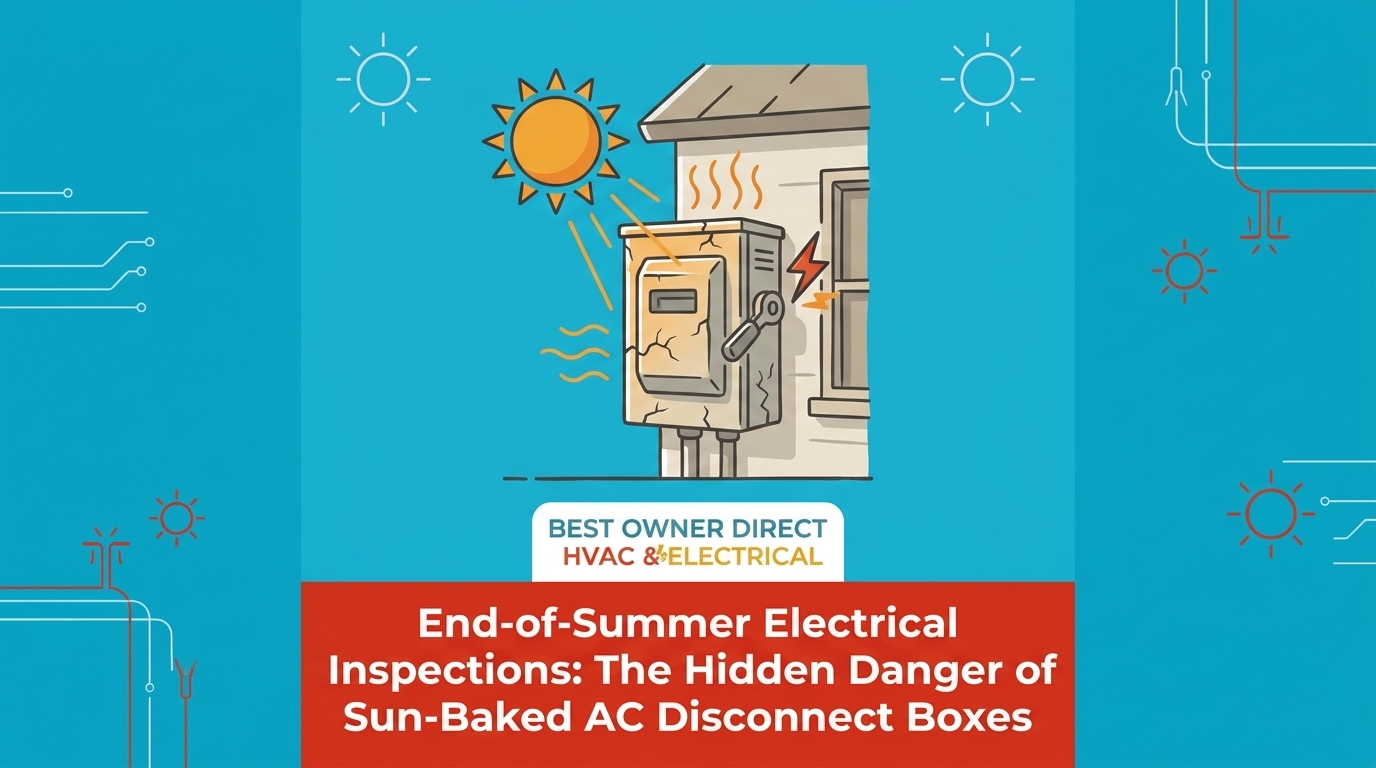
End-of-Summer Electrical Inspections: Checking Outdoor Disconnect BoxesAfter months of intense Pacific Northwest sun, your outdoor AC disconnect box can become brittle and unsafe. Learn the visual warning signs of UV degradation.
Read more
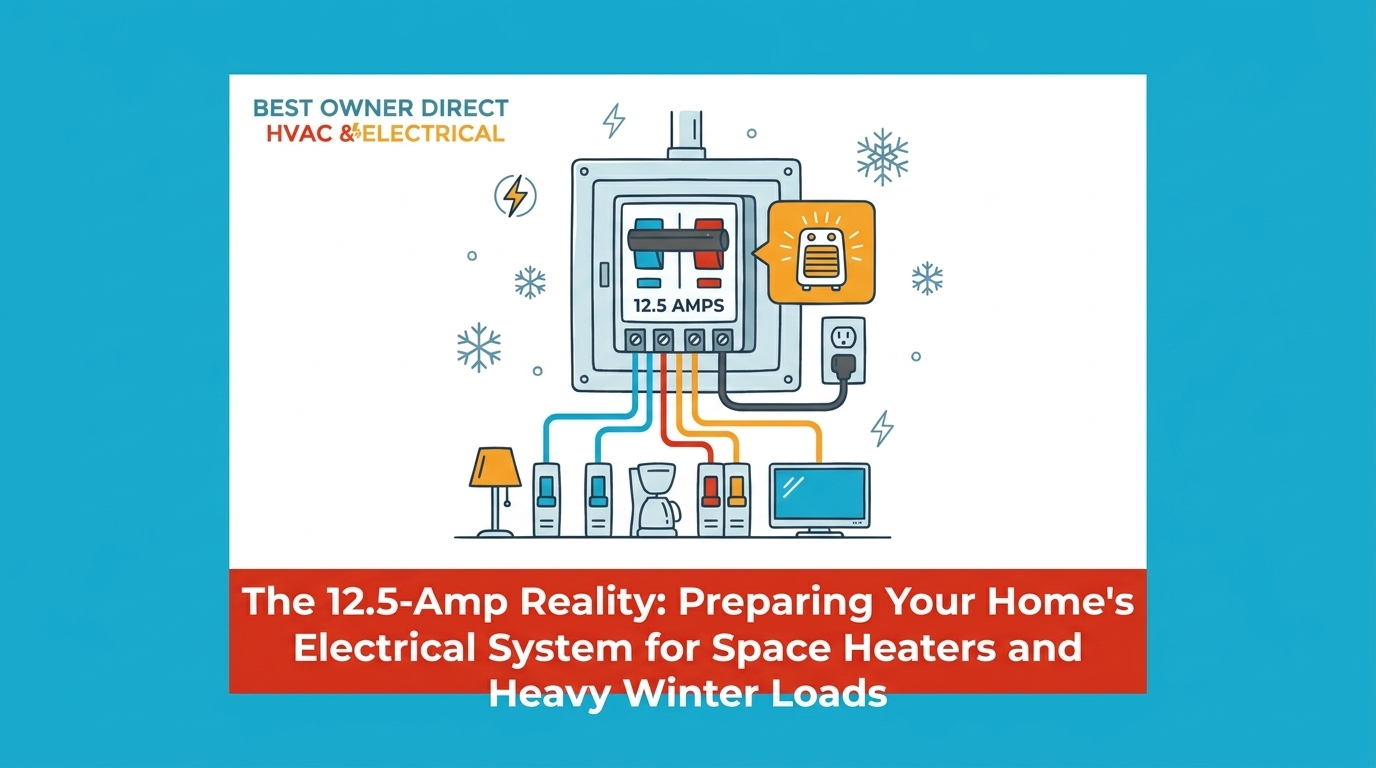
Preparing Your Home's Electrical System for Space Heaters and Heavy Winter LoadsA standard 1500W space heater consumes nearly 80% of an older bedroom circuit's capacity instantly. Find out why resetting that tripped breaker is a hidden fire hazard.
Read more