Menu

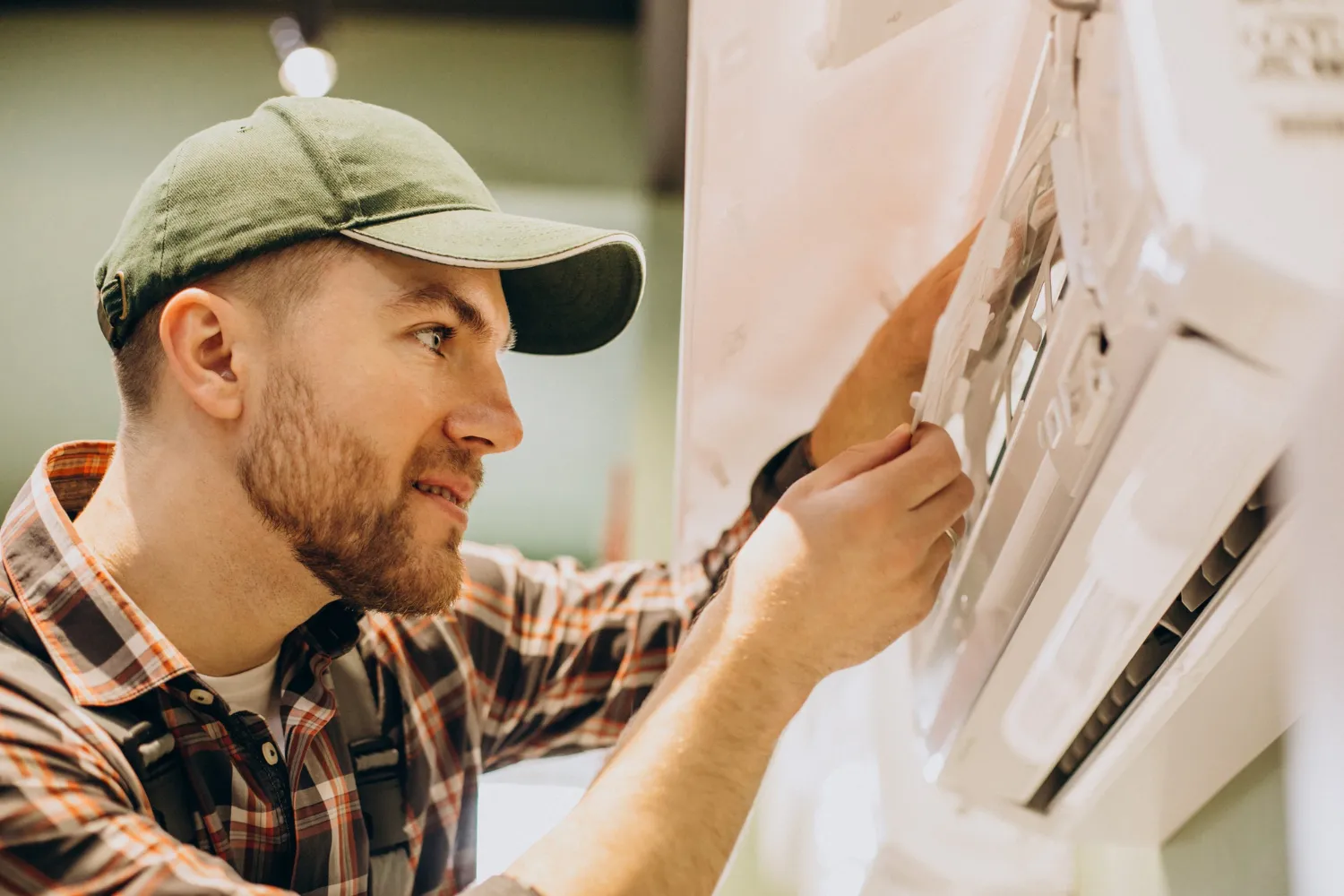
In the Pacific Northwest's long shoulder seasons — those weeks of 45°F mornings and 68°F afternoons — the best strategy is to pick a comfortable setpoint, use modest setbacks, and let the system run steadily rather than chasing the weather with big manual swings. And if you heat with a heat pump, gentle is not just comfortable but less expensive.
Why are spring and fall the hardest seasons to set a thermostat?
Because the outdoor temperature crosses your setpoint twice a day. A house that needed heat at 7 AM may need nothing — or even cooling — by 3 PM. Homeowners respond by cranking the thermostat up and down manually, which forces the system to work in inefficient bursts and produces exactly the uneven comfort they're trying to fix.
What should a heat pump owner do differently?
Keep setbacks small — a couple of degrees, not eight. Heat pumps recover slowly and efficiently by design; a deep overnight setback can trigger auxiliary/emergency heat during the morning recovery, and that backup strip heat costs several times as much to run as the heat pump itself. The steady-state approach ("set it and mostly leave it") almost always wins on a heat pump. If your system seems to lean on AUX more than briefly during recovery, that's worth a look — see our guide to normal vs. problem heat pump behavior in winter, or have it checked.
What about gas furnace homes?
Furnaces recover quickly, so deeper setbacks pay off: a setback while you sleep and while the house is empty genuinely saves fuel, and the furnace catches up fast without a cost penalty. The classic pattern — comfortable when home and awake, several degrees cooler overnight and away — remains good advice for furnace homes in our climate.
Do smart thermostats help?
Yes, with one caveat. Their real value in shoulder season is automation — schedules, presence detection, and gradual recovery beat twice-daily manual fiddling. The caveat: a heat pump with backup heat needs a thermostat configured to stage correctly, so it doesn't summon expensive auxiliary heat for a routine 2-degree recovery. If your smart thermostat was self-installed and your winter bills seem high, misconfigured staging is a common, fixable cause — mention it at your next maintenance visit.
Quick answers for the in-between weeks
• "Heat or cool mode?" Use auto-changeover if your thermostat supports it, with at least a 4–5 degree gap between heating and cooling setpoints so the system doesn't ping-pong.
• "Fan ON or AUTO?" AUTO for efficiency. Continuous fan evens out room-to-room differences but adds run-time; use it purposefully, not by default.
• "Windows open at night?" Enjoy it — just remember to close up before afternoon warm-up, or the system spends the evening removing the heat you invited in.
When settings aren't the problem
If no setting keeps the house comfortable — one floor roasts while another freezes, or the system runs constantly in mild weather — the issue is sizing, ductwork, or equipment health rather than the thermostat. That's a diagnosis visit, not a settings tweak: schedule one and we'll find the real cause.
What to read next
If you're wondering whether your next system should even be a heat pump, compare gas furnace vs. heat pump for our climate — it changes how you'll want to set the thermostat, too.
Quick answers
Questions we hear about this
Should I turn my heat pump down at night?+Only slightly — a degree or two. Deep overnight setbacks force the morning recovery onto expensive auxiliary heat, which usually erases the overnight savings. Heat pumps are happiest running steadily.
What temperature should I set in spring and fall?+Pick the setpoint your household finds comfortable and keep changes modest. Use auto-changeover with a 4–5 degree gap between heat and cool setpoints so the system doesn't fight itself as afternoons warm up.
What's the ideal thermostat setting for a heat pump in winter?+Pick a comfortable setpoint — commonly 68–70°F while home and awake — and hold it steady rather than swinging it. Heat pumps are most efficient running continuously in a narrow band, not cycling between a deep setback and a hard recovery.
Why does my heat pump take so long to warm the house back up?+Heat pumps deliver warm, steady air rather than a hot blast, so recovery from a deep setback is gradual by design — and a large setback can trigger expensive auxiliary heat to speed it up. Smaller setbacks recover faster and at lower cost.
Is a programmable or smart thermostat worth it for a Pacific Northwest home?+Yes, mainly for automation through our long shoulder seasons — schedules and gradual recovery beat manual twice-daily adjustments. Just make sure it's configured correctly for a heat pump so it doesn't over-rely on backup heat.


The Electrical Toll of a Struggling HVAC System on Your Home's BreakersAn aging air conditioner does not just lose cooling power; it actively stresses your electrical panel. A tripping breaker during late summer heat is a warning sign requiring professional diagnosis.
Read more
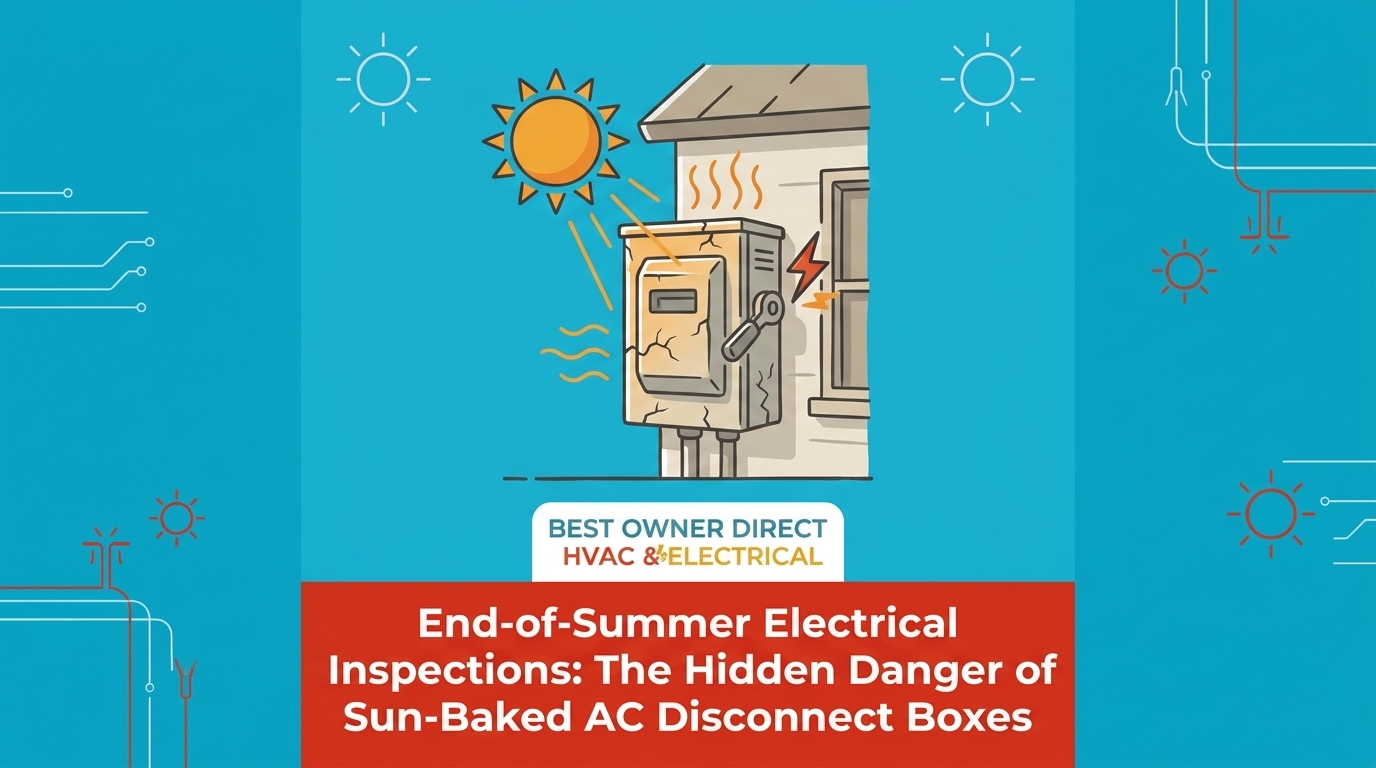
End-of-Summer Electrical Inspections: Checking Outdoor Disconnect BoxesAfter months of intense Pacific Northwest sun, your outdoor AC disconnect box can become brittle and unsafe. Learn the visual warning signs of UV degradation.
Read more
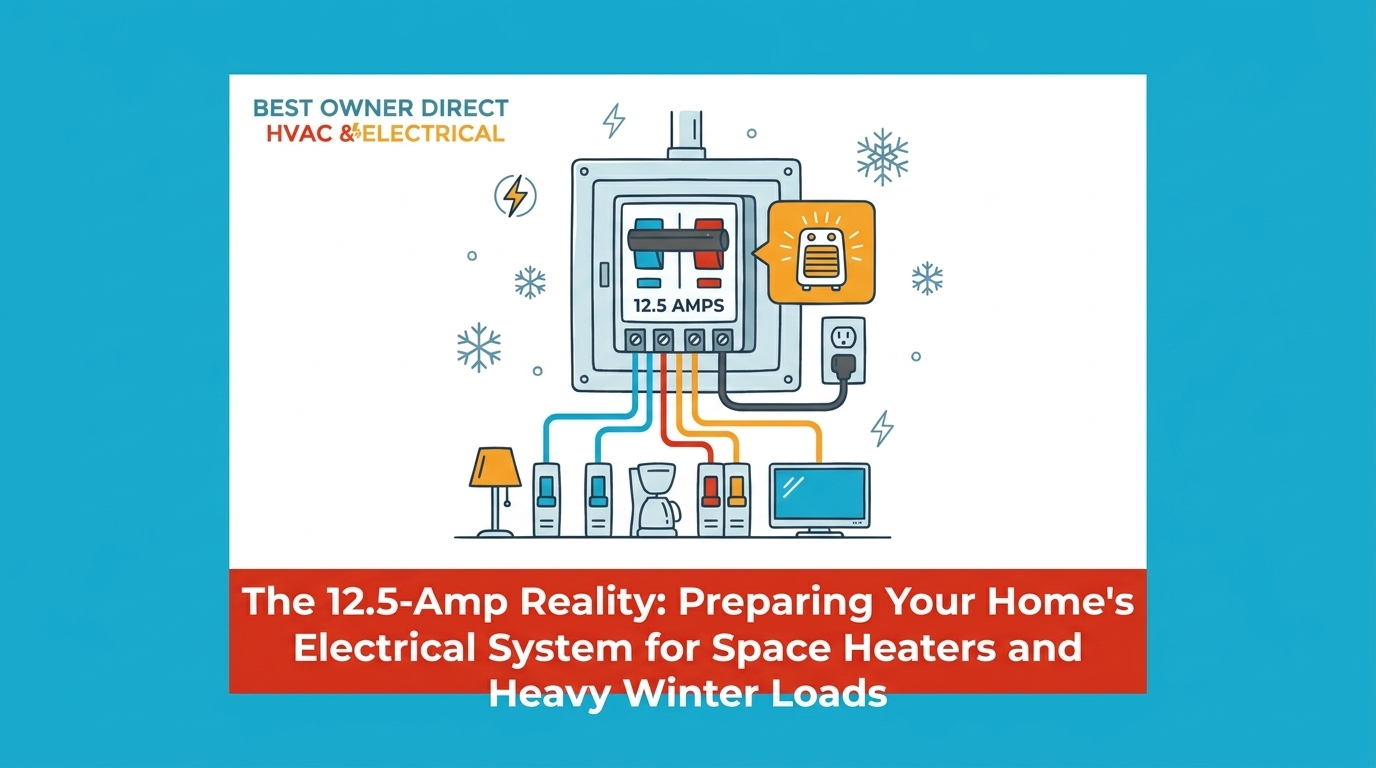
Preparing Your Home's Electrical System for Space Heaters and Heavy Winter LoadsA standard 1500W space heater consumes nearly 80% of an older bedroom circuit's capacity instantly. Find out why resetting that tripped breaker is a hidden fire hazard.
Read more