Menu


When wildfire smoke settles over the Portland metro, your home's defense is a sealed envelope plus filtration: keep windows closed, run your HVAC fan with the best filter your system can handle, set any fresh-air ventilation to recirculate, and add HEPA-grade filtration in the rooms where you spend the most time. Smoke season is now a planning item for our region, and the difference between a prepared and unprepared house during a smoke event is dramatic.
Why is wildfire smoke a special problem for houses?
Wildfire smoke is dominated by fine particulate (PM2.5) — particles small enough to slip through leaky building envelopes and standard low-grade filters, and small enough to reach deep into lungs. EPA guidance during smoke events is consistent: stay indoors with cleaner air. That advice only works if your indoor air actually is cleaner, which is where your HVAC system either helps or quietly makes things worse.
What should you do when smoke rolls in?
1. Close up the house — windows, doors, fireplace dampers.
2. Switch ventilation to recirculate. If your system has a fresh-air intake, an HRV/ERV, or you use a window AC with a vent option, set it to recirculate so you're not pumping smoke in on purpose.
3. Run the system fan continuously (fan ON rather than AUTO) so air keeps passing through the filter even when heating or cooling isn't needed.
4. Upgrade the filter — within your system's limits. Higher-rated filters catch more smoke particulate, but an overly restrictive 1-inch filter can choke your blower. Our filter guide covers the balance; the clean answer for smoke performance is a properly-engineered media filter, which is exactly what our whole-home filtration service addresses.
5. Add portable HEPA where you live and sleep. A right-sized HEPA purifier in the bedroom is the single most effective room-level move during a smoke event.
What about after the smoke clears?
Replace the filter — smoke events load filters far faster than normal weeks, and a smoke-saturated filter keeps a faint campfire smell circulating. If the house still smells smoky after a filter change and a good airing-out, particulate settled in the ductwork is a likely culprit; duct cleaning is the targeted fix rather than a routine upsell. If smoke infiltrated easily despite closed windows, that's your envelope talking — duct sealing and routine weatherization tighten the same leaks that cost you heating money all winter.
How do you prepare before the next smoke season?
Three durable upgrades, in order of impact: a media filtration cabinet your blower is engineered for (not just a denser 1-inch filter), verified duct sealing so the system pulls air through filters instead of through crawlspace gaps, and — because smoke season and heat wave season arrive together — cooling that lets you keep windows closed in August, covered in our heat wave guide. An air quality assessment tells you which of these your house actually needs; that's a better starting point than buying gadgets.
The bottom line
Smoke events are now part of Pacific Northwest life. A sealed envelope, the right filtration for your blower, and a recirculate setting you know how to find turn "hazardous" days outside into manageable ones inside. Ask us about a filtration assessment before the season — August is the wrong month to discover your system cannot help you.
What to read next
Upgrading to real whole-home filtration is a cost decision as much as a comfort one — see what actually drives HVAC system cost before you commit to any upgrade.
Sources
• EPA — Wildfires and Indoor Air Quality
• EPA — Particulate Matter (PM2.5) Basics
• AirNow — Wildfire Smoke Guide for Public Health Officials
Quick answers
Questions we hear about this
Does my HVAC system protect me from wildfire smoke?+It can — if it's recirculating indoor air through a capable filter. Set ventilation to recirculate, run the fan continuously, and use the best filter your blower is engineered for. A system pulling in outside air, or filtering through a standard low-grade filter, helps far less.
Should I run my AC during a smoke event?+Yes — central AC and heat pumps recirculate indoor air (they don't pull in smoke by default), and cooling lets you keep windows closed. Just confirm any fresh-air intake or ventilator is set to recirculate.
What MERV rating filter is best for wildfire smoke?+Higher-MERV filters capture more fine particulate, but only within what your blower is engineered to handle — an overly restrictive 1-inch filter can choke airflow just like a dirty one. A properly-engineered whole-home media filter is the cleaner answer for smoke season.
How long does wildfire smoke stay in a house after the air outside clears?+Particulate that settled in ductwork or soft surfaces can keep a faint smell circulating well after the smoke outside is gone. Replacing the filter and airing out the house usually resolves it; persistent odor points to duct cleaning.
Should I open windows after a wildfire smoke event ends?+Wait until local air quality readings confirm it's genuinely clear, not just visually calmer — then ventilate normally. Checking a source like AirNow before opening up is worth the extra minute.


The Electrical Toll of a Struggling HVAC System on Your Home's BreakersAn aging air conditioner does not just lose cooling power; it actively stresses your electrical panel. A tripping breaker during late summer heat is a warning sign requiring professional diagnosis.
Read more
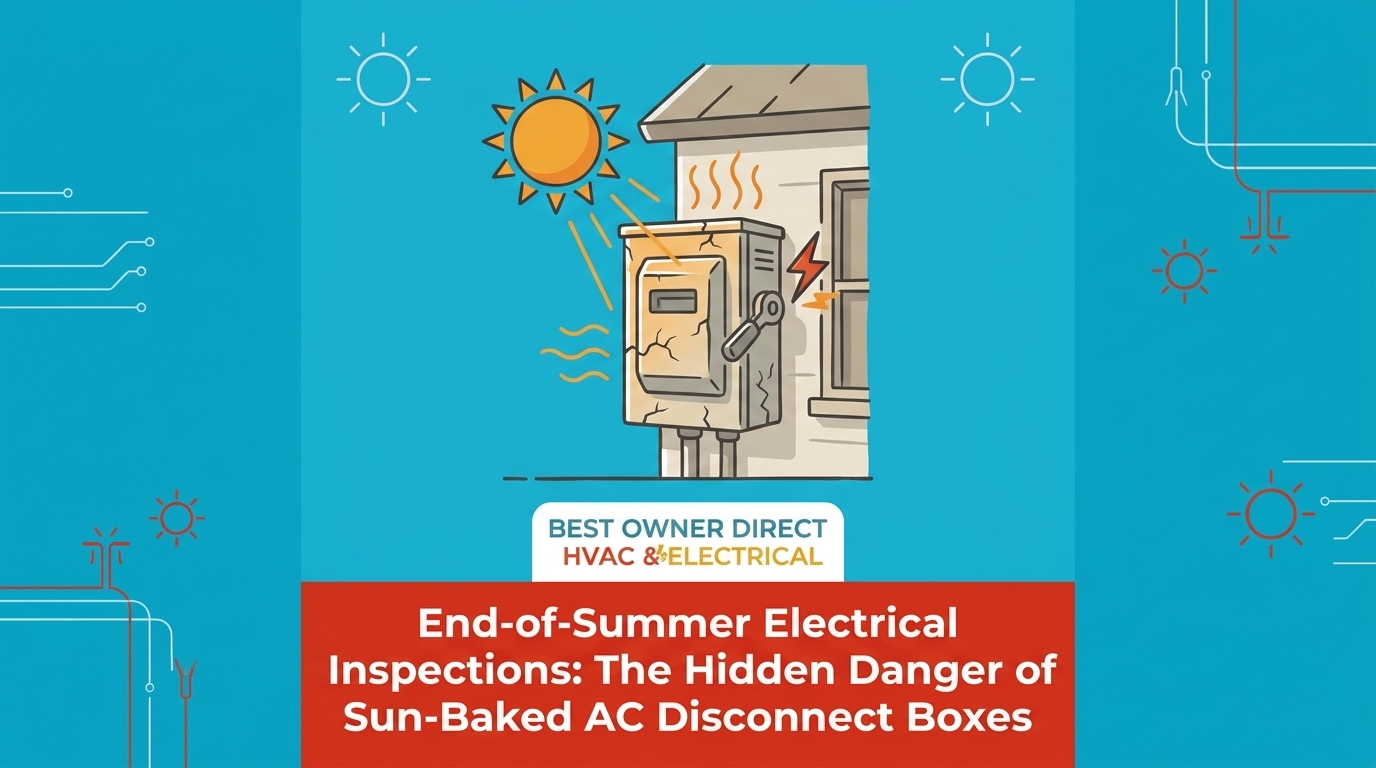
End-of-Summer Electrical Inspections: Checking Outdoor Disconnect BoxesAfter months of intense Pacific Northwest sun, your outdoor AC disconnect box can become brittle and unsafe. Learn the visual warning signs of UV degradation.
Read more
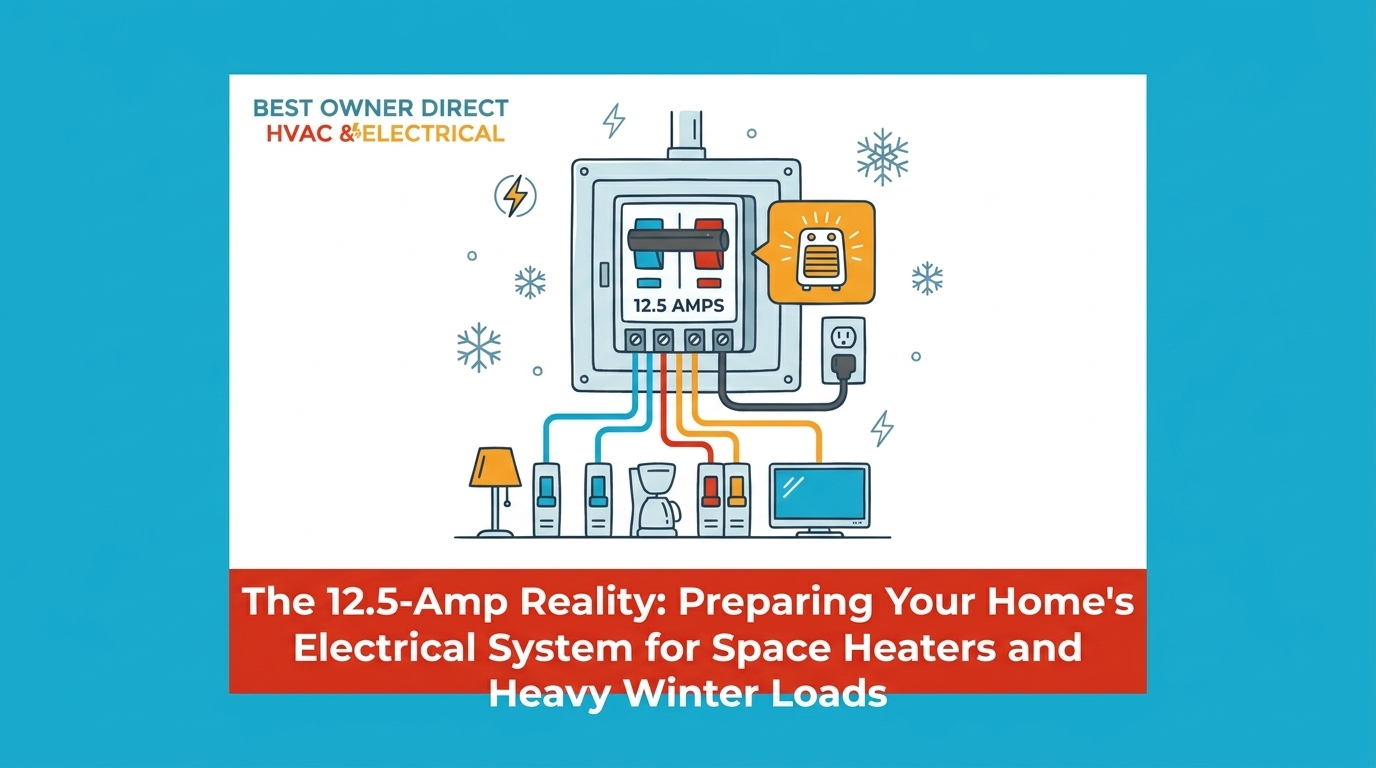
Preparing Your Home's Electrical System for Space Heaters and Heavy Winter LoadsA standard 1500W space heater consumes nearly 80% of an older bedroom circuit's capacity instantly. Find out why resetting that tripped breaker is a hidden fire hazard.
Read more