Menu


Why Understanding How Moisture and Rain Affect Your Outdoor AC Unit Could Save You a Costly Repair
How moisture and rain affect your outdoor AC unit is something most homeowners in the Portland metro area don't think about — until they're standing in their backyard after a heavy Oregon downpour, staring at a soaking wet condenser and wondering if it's about to fail.
Here's the short answer:
• Normal rain will not damage your outdoor AC unit. It is built to handle wet weather, with sealed electrical components and corrosion-resistant materials.
• Standing water above 15 inches is a real threat that can damage internal electronics and the compressor.
• Improper covers (like plastic tarps) can cause more damage than rain itself by trapping moisture, promoting rust, and attracting pests.
• High humidity strains your system by forcing it to work harder to remove moisture from indoor air.
• Lightning and power surges are the biggest storm-related electrical risk to your unit.
The Pacific Northwest is one of the wettest regions in the country — with over 150 rainy days per year in areas like the Willamette Valley. That persistent dampness creates challenges that go well beyond a single heavy storm. Knowing what actually puts your system at risk (and what doesn't) helps you make smarter maintenance decisions and avoid unnecessary repairs.
In this guide, we'll walk you through exactly what rain and moisture do to your outdoor AC unit, when you actually need to take action, and how to protect your system through every wet Oregon season.
How Moisture and Rain Affect Your Outdoor AC Unit: The Fundamentals
Your outdoor air conditioner is built to live outside. Manufacturers know that your condenser will face scorching summer sun, freezing winter winds, and plenty of rain. To survive these conditions, the unit is constructed with highly durable, weather-resistant materials.
The exterior cabinet is typically made of galvanized or powder-coated steel to resist rust and corrosion. Inside, the delicate electrical wiring is heavily insulated, and the fan motor is sealed against moisture. The copper tubing and aluminum fins that make up the condenser coils are also designed to withstand moisture without deteriorating.
Does normal rainfall damage the condenser?
The short answer is no. Normal rainfall cannot damage your outdoor AC unit. In fact, the system is designed to operate seamlessly even during a heavy rainstorm.
The fan inside your outdoor unit is a top-discharge fan, meaning it blows air upward. The fan motor itself is shielded underneath the fan blade and sits inside a protective casing that prevents falling water from entering the electrical winding. Rainwater simply runs off the sides of the cabinet or drains out through designated drainage holes at the bottom of the unit's base pan.
Because the system is engineered to self-drain, you do not need to worry about water pooling inside the unit under normal circumstances.
Can rain actually help clean your air conditioner?
Surprisingly, yes! A light to moderate rain shower can actually benefit your outdoor AC unit. As the unit sits outside, it naturally accumulates dust, pollen, lawn clippings, and small leaves on its aluminum fins. This buildup acts as an insulating blanket, trapping heat and forcing your system to work harder to cool your home.
When it rains, the water acts as a natural rinsing agent, washing away loose dirt and pollen from the exterior housing and coils. This natural cleaning cycle can temporarily improve your system's operating efficiency.
However, rain alone cannot remove heavy dirt, mud, or compacted debris. During dry spells, or after a heavy windstorm that plasters wet leaves to the cabinet, you should manually rinse the unit. You can do this easily by taking a garden hose and gently spraying the exterior fins from top to bottom.
Note: Never use a pressure washer to clean your AC unit. The high-pressure stream will easily bend the delicate aluminum fins, permanently restricting airflow and reducing efficiency.
Real Weather Threats: When Rain and Moisture Become Dangerous
While normal falling rain is harmless, certain weather conditions pose severe risks to your outdoor HVAC system. When rain turns into localized flooding, or when storms bring heavy winds and lightning, you need to take protective action.
The 15-inch flood rule and standing water
While your AC unit is designed to take a shower, it does not know how to swim. Standing water or flash flooding is the single greatest water-related threat to your condenser.
The industry standard threshold for floodwater is 15 inches. If standing water or floodwaters rise above 15 inches around your outdoor unit, it is highly likely to submerge critical internal electrical components, the fan motor, and the compressor terminals.
Deep water intrusion can cause:
• Electrical short circuits that ruin the control board and wiring.
• Internal compressor damage if water enters the sealed refrigerant system through a tiny leak or loose fitting.
• Mud and silt accumulation inside the cabinet, which cakes the components and prevents heat transfer.
• Soil erosion underneath the concrete equipment pad. If the soil washes away, the heavy concrete pad can tilt or sink, putting immense physical stress on the copper refrigerant lines and causing them to crack.
What to do if your unit floods:
1. Turn off the power immediately. Go to your home's main electrical panel and flip the circuit breaker labeled "AC" or "Air Conditioner" to the OFF position. You can also pull the electrical disconnect switch located in the metal box mounted on the wall near your outdoor unit.
2. Do not turn the system back on once the water recedes. Running a wet electrical system can permanently destroy the compressor and fan motor.
3. Schedule a professional inspection. The team must thoroughly dry, clean, and test the electrical circuits before it is safe to restore power.
Running the AC during thunderstorms and lightning
It is perfectly safe to run your air conditioner during a standard rainstorm. However, if the storm escalates into a severe thunderstorm with frequent lightning, the safest choice is to turn the system off.
Lightning strikes do not even have to hit your home directly to cause damage. A nearby strike on a utility pole can send a massive electrical surge through the power lines and into your home's electrical panel. This voltage spike can instantly fry your AC's delicate control boards, capacitor, and compressor motor.
To protect your system during severe electrical storms:
• Turn off the AC at the thermostat.
• Follow the 3-minute restart rule. If your power flickers or goes out during a storm, wait at least 3 minutes before turning your AC back on. This allows the refrigerant pressures within the system to equalize. Restarting the compressor too quickly puts immense physical strain on the motor and can cause it to overheat or fail.
To Cover or Not to Cover: Protecting Your Unit Safely
One of the most common questions we hear from homeowners in the Portland area is: "Should I cover my outdoor AC unit when it rains or during the winter?"
The answer is a resounding no for standard rain, and a highly cautious yes only under very specific winter conditions. In fact, improper covering is one of the leading causes of avoidable system damage.
The dangers of improper covering
Many well-meaning homeowners wrap their outdoor condensers in plastic tarps, heavy vinyl covers, or even plastic garbage bags to "protect" them from rain. This is a critical mistake.
When you wrap an AC unit in an airtight plastic cover, you create a "greenhouse effect." Ground moisture evaporates up into the unit, hits the underside of the plastic cover, and has nowhere to escape. This trapped moisture clings to the metal coils, electrical contacts, and fan motor, rapidly accelerating rust and corrosion. Over the winter, this trapped dampness can rot wires and destroy the unit's internal components.
Furthermore, tight, unventilated covers create a warm, dry shelter. Rodents, such as mice and squirrels, look for cozy nesting spots during our cold Oregon winters. A covered AC unit provides the perfect "rodent hotel." Once inside, these pests often chew through electrical wiring and insulation, leading to major system failures when you try to turn the AC on in the spring.
Finally, you must never cover an active heat pump. Unlike a standard central air conditioner, a heat pump runs year-round to provide both heating in the winter and cooling in the summer. Covering a heat pump while it is running blocks necessary airflow, causing the system to overheat, ice over, and suffer catastrophic compressor damage.
Best practices for off-season covers
If you live in an area with heavy tree canopy (such as Sherwood, Lake Oswego, or West Linn) and want to protect your unit from falling pine needles, leaves, and winter debris, follow these safe covering practices:
• Use a breathable mesh cover. These covers are designed specifically for HVAC units. They block large debris like leaves and twigs but allow air and moisture to circulate freely, preventing condensation buildup.
• Use a top-only shield. You can place a simple piece of plywood on top of the unit, weighted down with a clean brick or stone. This protects the top grille and fan motor from falling debris, heavy snow, or icicles while leaving all four sides of the unit completely open to the air.
• Always remove the cover before starting the system. Operating a covered AC unit blocks heat release and will quickly destroy the compressor.
Regional Climate Impacts and Long-Term Dampness
Our local climate in the Portland metro area — stretching from Cornelius and Hillsboro to Oregon City and Milwaukie — presents unique challenges for outdoor mechanical equipment. Unlike regions that experience sudden, severe tropical storms, the Pacific Northwest deals with a "slow soak" of persistent, months-long dampness.
How moisture and rain affect your outdoor AC unit in wet climates like Oregon
In Western Washington and Western Oregon, we experience over 150 rainy days per year. This constant exposure to moisture, combined with cool temperatures, creates a highly humid micro-climate around your outdoor unit. During rainy stretches, outdoor humidity levels often reach 90% or higher.
This persistent dampness affects your system in several ways:
• Moss and algae growth: The shady, damp sides of an outdoor condenser are prime real estate for moss, mold, and algae. If left unchecked, moss can grow directly into the aluminum fins, blocking airflow and trapping moisture against the metal, which leads to premature corrosion.
• Increased indoor workload: High outdoor humidity directly impacts your indoor comfort. Air conditioners cool your home by removing both sensible heat (temperature) and latent heat (moisture). When outdoor humidity is extremely high, your system has to work twice as hard to extract moisture from the indoor air.
• Indoor air quality concerns: The Environmental Protection Agency (EPA) recommends keeping indoor humidity levels between 30% and 50% to prevent the growth of mold, mildew, and dust mites. If your AC is struggling due to a dirty, moisture-clogged outdoor condenser, indoor humidity will rise, making your home feel sticky and warm even if the thermostat is set to a cool temperature.
To combat these regional climate challenges, we recommend keeping a two-foot clearance zone around your outdoor unit. Trim back any shrubs, ferns, or weeds that can trap moisture against the cabinet, and ensure the concrete pad is clear of wet leaf piles.
Frequently Asked Questions About AC Rain Protection
Should I turn off my AC every time it rains?
No, you do not need to turn off your air conditioner during normal rainfall. Outdoor units are fully engineered to operate safely in wet conditions. You should only turn off your system if there is a severe thunderstorm with frequent lightning (to protect against power surges) or if you notice localized flooding that threatens to submerge the unit.
What are the signs of storm or moisture damage to look for?
After a heavy rainstorm or high-wind event, perform a quick visual inspection of your outdoor unit. Look for these warning signs:
• Bent or crushed aluminum fins (often caused by falling branches or hail).
• Loose or shifted cabinet panels that expose electrical wiring.
• A scraping, rattling, or screeching noise when the unit runs, which indicates debris is trapped in the fan blade or the fan motor has been damaged.
• An unlevel concrete pad caused by soil erosion beneath the unit.
• Wet, deteriorating insulation on the copper refrigerant lines.
If you notice any of these signs, keep the system turned off and contact a professional for inspection.
How do I decide between AC repair and replacement after storm damage?
When deciding whether to repair or replace a damaged system, consider the age of your unit and its overall reliability. If your air conditioner is nearing the end of its typical lifespan and has experienced frequent breakdowns, investing in a modern, energy-efficient replacement is often the most practical long-term solution. On the other hand, if your system is relatively new and has been well-maintained, a professional repair is usually the best path forward.
Conclusion
Understanding how moisture and rain affect your outdoor AC unit is essential for maintaining a comfortable, safe, and energy-efficient home in the Pacific Northwest. While your system is built to withstand our classic Oregon rain, keeping it clear of standing water, avoiding improper plastic covers, and scheduling regular seasonal maintenance are the best ways to ensure it runs reliably for years to come.
At Best Owner Direct HVAC & Electrical, we are proud to be a family-owned business based in Cornelius, OR. We serve homeowners throughout the surrounding communities, including Hillsboro, Beaverton, Forest Grove, Tigard, Tualatin, Sherwood, and Portland.
Our licensed, professional technicians are always ready to help you with seasonal tune-ups, storm inspections, and reliable, customer-focused repairs. If you want to make sure your system is fully prepared to handle whatever weather Oregon throws our way, contact us today to schedule our professional air conditioning services.


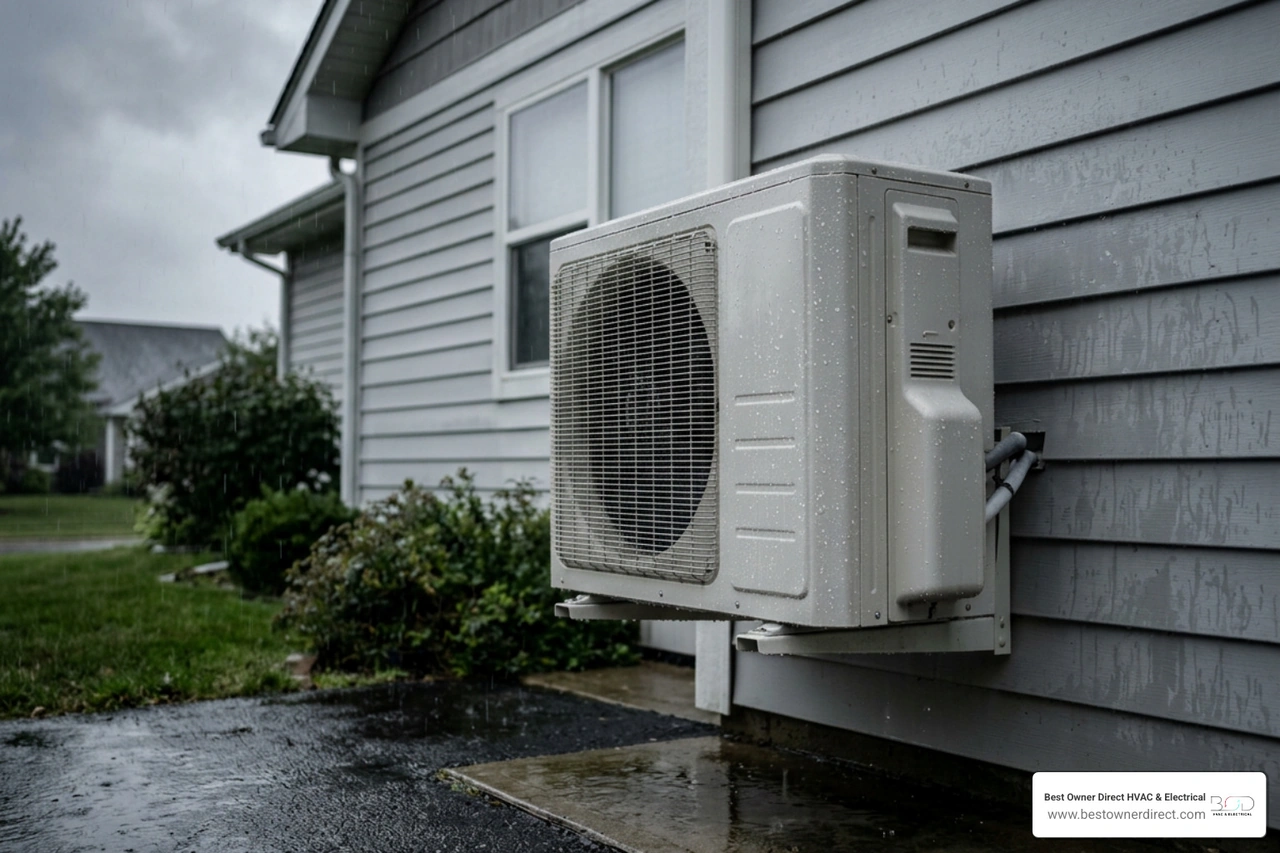
How to Prevent Rain Damage to Your Outdoor Mini Split Unit Fast by Using a CoverLearn how moisture and rain affect your outdoor mini split unit and protect it from damage with proper covers, drainage, and seasonal maintenance tips.
Read more
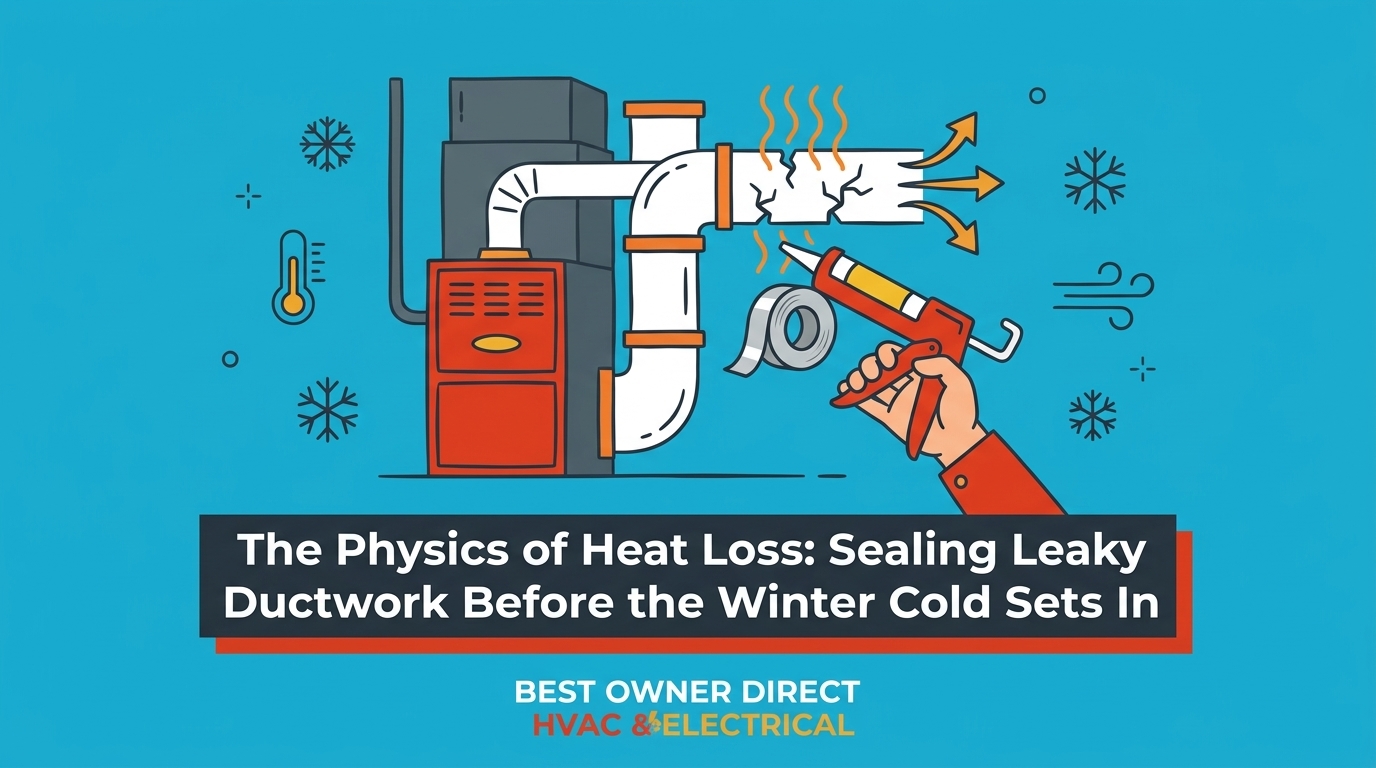
Sealing Leaky Ductwork Before the Winter Cold Sets InYour furnace is only as effective as the ducts delivering its warmth. If you're tired of drafty rooms, securing your system's thermal envelope is the first step to true winter comfort.
Read more
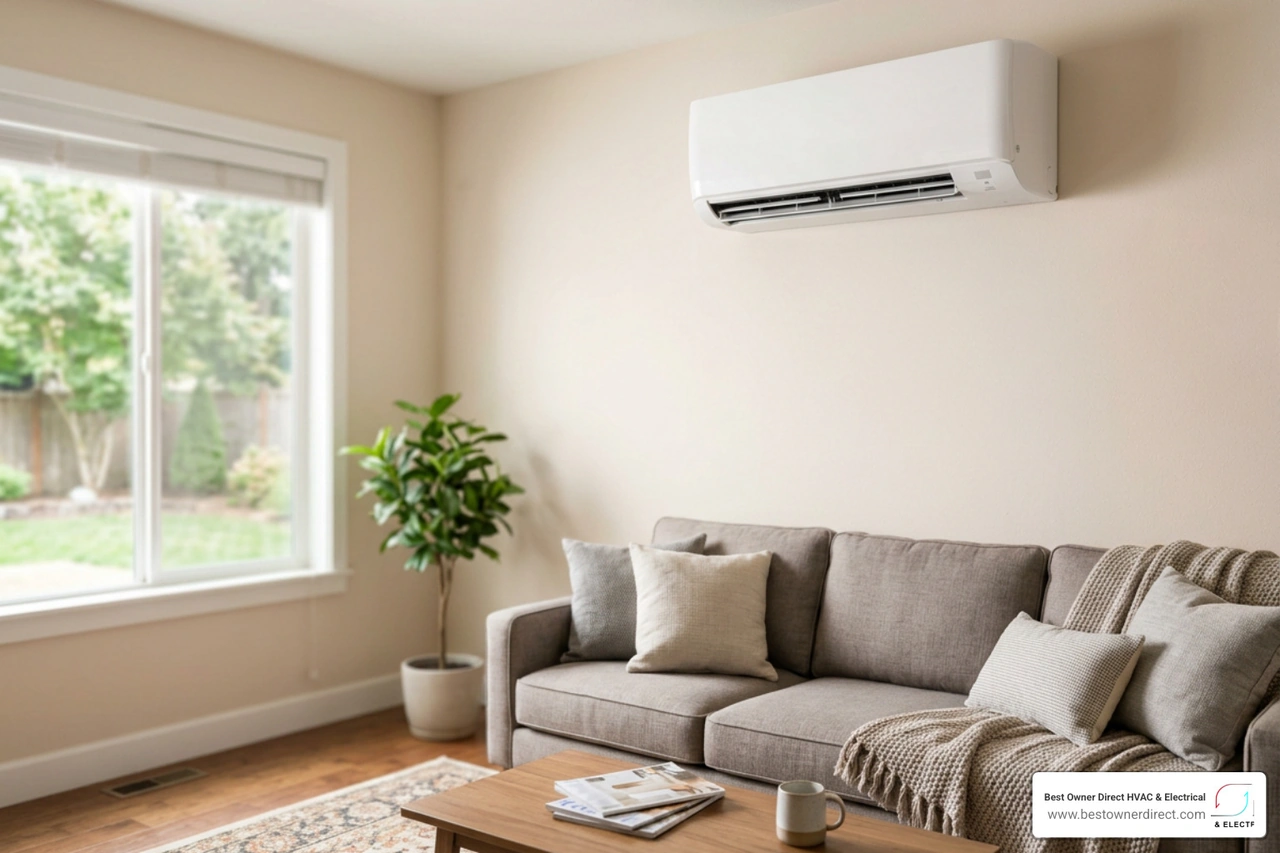
All About How a Mini Split Adds Value to Your HomeLearn how a mini split adds value to your home with energy savings, zoned comfort, and increased property valuation.
Read more