Menu


Who Should Handle Your Late-Summer AC Maintenance?
Is your air conditioner ready to safely shut down after running nonstop all summer, or is it limping toward the finish line with hidden wear and tear? Weighing the pros and cons of hiring an HVAC Company vs. an Independent Technician for End-of-Season Maintenance is a critical decision homeowners face as the weather begins to shift. By the time the August late-summer cooling season winds down, your cooling equipment has accumulated hundreds of hours of heavy, continuous use. At Best Owner Direct HVAC & Electrical, our team frequently sees the toll this takes on systems across Cornelius. Choosing the right provider to inspect, clean, and secure that equipment ensures a smooth transition into the colder months without risking system health or voiding manufacturer warranties.
For homeowners looking to protect their investment with reliable professional HVAC services, securing a comprehensive end-of-season maintenance plan is the safest route forward.
The Cumulative Toll of Summer Cooling
Heavy workload: Throughout the peak summer months, your air conditioner's compressor, blower motor, and electrical components operate under immense stress. Even the most high-end systems experience natural degradation, vibration, and dust accumulation. Hidden vulnerabilities: Small issues like a weakened capacitor or a slightly clogged condensate drain line might not cause a full breakdown in July, but leaving them unaddressed before shutting the system down for winter allows corrosion and electrical fatigue to worsen in the off-season. The core comparison: When deciding who should evaluate these components, the choice usually narrows down to an independent technician or a fully established HVAC company like ours. The right choice depends on three main factors: structured accountability, warranty backing, and speed of service.
The Hidden Risks of Unverified Late-Summer Maintenance
After a long cooling season, your air conditioning system requires a highly structured inspection. Undocumented or unverified maintenance poses a significant risk because modern HVAC systems are complex, finely tuned machines. A casual "tune-up" that lacks proper diagnostic tools or digital record-keeping often misses the subtle signs of impending failure. Based on our years of field experience, here is a breakdown of the hidden risks associated with unverified service during an air conditioning shutdown:
1. Incomplete Component Testing: Independent contractors may rely on visual inspections rather than using calibrated multimeters to test voltage and amperage drops. This leads to failing electrical parts being overlooked until they short out the following spring.
2. Lack of Digital Documentation: Established companies utilize digital dispatch and invoicing software that permanently records exactly what was tested, cleaned, and replaced. Unverified technicians often leave behind a handwritten receipt that provides no proof of comprehensive service if a warranty claim is needed later.
3. Improper Refrigerant Handling: Checking refrigerant levels requires specific gauges and EPA certification. Unverified maintenance might involve "topping off" refrigerant without finding the underlying leak, which is both environmentally harmful and a temporary band-aid.
4. Missed Safety Protocols: Securing the outdoor unit, clearing the condensate drain to prevent winter freezing, and isolating the electrical disconnect are all required steps for a safe August late-summer cooling season shutdown. Skipping these steps can lead to severe water damage or electrical shorts.
Why Verification Matters
Improper or undocumented maintenance is consistently ranked as a leading cause of premature system failure. Established companies follow a standardized, multi-point inspection process that every technician must adhere to. This structured approach contrasts sharply with the varied, highly individualized methods used by standalone contractors. Having verified, detailed service records before you turn off the breaker to your AC unit is the only way to guarantee the system will wake up healthy next year—a standard our technicians uphold on every call.
Warranty Protection and Manufacturer Compliance
One of the most overlooked aspects of HVAC ownership is the fine print on the manufacturer's warranty. Almost all major HVAC manufacturers stipulate that routine maintenance must be performed by a licensed, insured contractor to keep parts and labor guarantees valid. Hiring an unverified technician can instantly void these protections, leaving you fully responsible for expensive component replacements.
Protecting Your Investment
Manufacturer guidelines on professional maintenance are strict for a reason. They know that a system maintained to factory specifications will outlast one that receives sporadic, informal care. There is a vast difference between a simple tune-up and warranty-compliant servicing. A compliant service involves checking static pressure, verifying airflow, and ensuring that all OEM (Original Equipment Manufacturer) parts are operating within safe tolerances.
For example, our team recently helped a return customer in the Cornelius OR area who needed same-day service when their HVAC system developed a faulty fan. Because they worked with an established company like Best Owner Direct, our technician discovered the issue, checked the circuits, and replaced the faulty fan immediately using an OEM part stocked right on the truck. This rapid, documented repair ensured the system stayed entirely compliant with manufacturer warranty requirements, protecting the homeowner from future out-of-pocket costs.
Comparing Warranty Impacts
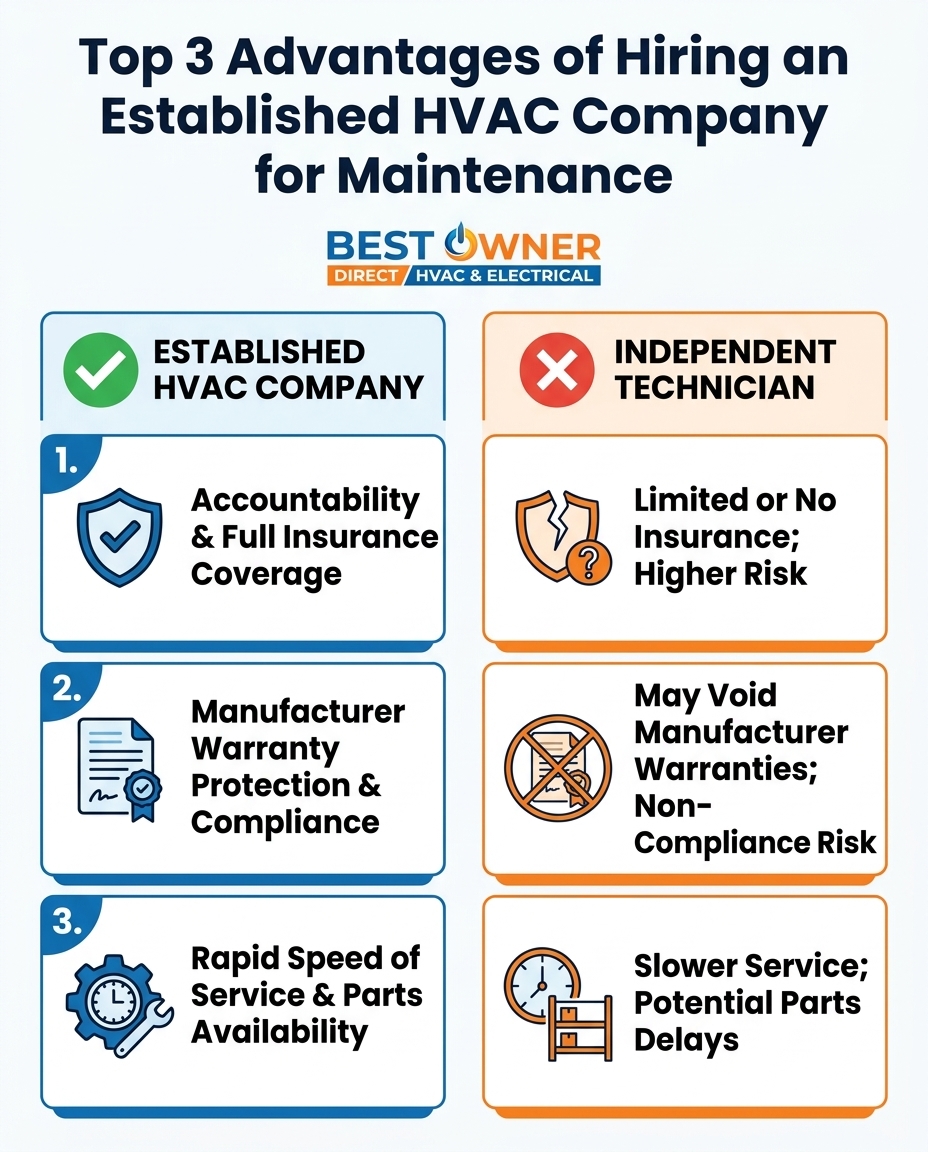
• Documentation — Established HVAC Company: Provides digital, timestamped records accepted by all manufacturers. — Independent Technician: Often uses paper receipts that may lack specific diagnostic details.
• Parts Sourcing — Established HVAC Company: Direct access to approved OEM parts that maintain warranty status. — Independent Technician: May rely on generic aftermarket parts that can void the warranty.
• Labor Guarantee — Established HVAC Company: Offers in-house labor warranties on top of the manufacturer's parts warranty. — Independent Technician: Rarely provides written guarantees extending beyond the day of service.
• Compliance Knowledge — Established HVAC Company: Regularly trained on the latest manufacturer specifications and updates. — Independent Technician: May lack access to proprietary factory training and bulletins.
Accountability and Insurance: Protecting Your Property
When inviting someone into your home to work on high-voltage electrical components and pressurized refrigerant lines, liability protection is non-negotiable. Comprehensive accountability structures are what separate professional organizations from informal operators. If you are choosing a local HVAC and electrical contractor, understanding how their insurance protects your property is a primary factor in the decision-making process. We take this seriously at Best Owner Direct, ensuring our clients are fully protected.
The Reality of Homeowner Liability
Most homeowners do not realize that if an uninsured technician is injured while working on their property, the homeowner's insurance policy may be held liable for medical bills and lost wages. Established companies carry comprehensive general liability insurance and workers' compensation coverage to completely shield the homeowner from this risk.
• Pros of an Established Company:
— Full Workers' Compensation: Completely removes liability from the homeowner if an injury occurs on site.
— General Liability Insurance: Covers any accidental damage to the home, such as water leaks from a cleared drain line or drywall damage.
— Clear Recourse: If something goes wrong, there is a physical office to call, a management team to speak with, and a formal dispute resolution process.
• Cons of an Independent Technician:
— Variable Coverage: May carry minimal insurance or let policies lapse without notifying clients.
— Personal Liability Risk: Lack of workers' compensation places the financial burden of injuries directly on the property owner.
— Limited Recourse: If a standalone contractor stops answering their phone, the homeowner has very few options for resolving incomplete or damaging work.
In the Cornelius OR area, where homes require reliable climate control year-round, the security of knowing a company stands behind its technicians provides an invaluable layer of protection.
Speed of Service and Parts Availability During the Fall Rush
As the late-summer heat begins to break, the HVAC industry experiences a massive surge in service calls. This "fall rush" happens because homeowners are simultaneously discovering end-of-season AC breakdowns and scheduling early furnace inspections. During this transitional period, the logistical advantages of a larger company become incredibly apparent.
Dispatch Capabilities and Inventory
Rapid dispatch: An established company utilizes a fleet of vehicles and dedicated dispatchers who can route the closest technician to your home in an emergency. Parts availability: Fully stocked trucks act as mobile warehouses, carrying the most common capacitors, contactors, and motors needed to get a system running the same day. Supplier relationships: When a specialized part is required, established companies leverage deep relationships with local supply houses to source components in hours, rather than days.
This speed is highly relevant in the Cornelius, OR climate, where distinct shifts from warm, dry summers to wet, chilly winters require fast turnarounds to prevent uncomfortable downtime. A sudden drop in temperature means your home needs heating immediately, and waiting weeks for an independent contractor to source a part is simply not an option. For instance, our technicians recently assisted another customer in the Cornelius OR area who had an older AC system that had been deemed unfixable by other technicians. By relying on our fully equipped fleet and robust supplier networks, our team tracked down the necessary part and repaired the system, avoiding a costly premature replacement.
Comprehensive Transition: From Cooling to Heating Preparation
The transition from the August late-summer cooling season into autumn requires more than just turning off the air conditioner. It requires a dual approach: safely shutting down the cooling equipment while simultaneously preparing the furnace or heat pump for the heavy lifting ahead. A multi-trade, established company is far better equipped to handle this comprehensive transition in a single visit.
The Unified Seasonal Checklist
Having a cross-trained team handle both systems simultaneously saves time, reduces service fees, and ensures nothing is overlooked. Best Owner Direct's emphasis on multi-trade reliability provides a unified, warranty-backed safety net that handles the entire seasonal transition seamlessly. In our experience, here is what a comprehensive transition entails:
• Clearing the AC condensate drain: Preventing stagnant water from freezing and cracking the pipes during winter.
• Isolating the outdoor unit: Safely disconnecting power to the AC compressor so it doesn't accidentally turn on during a mild winter day, which can damage cold refrigerant lines.
• Inspecting the heat exchanger: A critical safety step for gas furnaces to ensure there are no cracks that could leak carbon monoxide into the home.
• Testing the ignition system: Verifying that the furnace burners ignite smoothly and safely.
• Calibrating the thermostat: Ensuring the system correctly reads the indoor temperature and switches from cooling to heating modes without a hitch.
Independent technicians often specialize in only one system type or lack the time to perform a full dual-system inspection during the busy fall rush. Relying on a team that can handle both the AC shutdown and the heating system preparation ensures your whole-home comfort is protected under one roof.
Side-by-Side Comparison: Making the Right Choice
To summarize the differences between these two provider types, it helps to look at the data side-by-side. While independent technicians certainly have their place for minor handyman tasks, established companies offer a significantly lower risk profile for critical seasonal transitions following the August late-summer cooling season.
• Accountability & Insurance — Established HVAC Company: Fully licensed, bonded, general liability, and workers' compensation. — Independent Technician: Often carries minimum required liability; rarely carries workers' comp.
• Warranty Compliance — Established HVAC Company: Strict adherence to manufacturer specs; provides digital documentation. — Independent Technician: May use aftermarket parts; often lacks formal digital record-keeping.
• Speed of Service — Established HVAC Company: Fleet of trucks, dedicated dispatchers, same-day emergency availability. — Independent Technician: Single operator; heavily booked during seasonal rushes with slow response.
• Parts Sourcing — Established HVAC Company: Direct supplier accounts and fully stocked mobile warehouses. — Independent Technician: Must order parts individually, leading to longer system downtime.
• Multi-Trade Capability — Established HVAC Company: Cross-trained teams capable of comprehensive cooling and heating transitions. — Independent Technician: Often specialized in limited equipment types or single trades.
Common Questions About HVAC Maintenance Providers
Does my HVAC warranty require a licensed company?
Yes, the vast majority of major HVAC manufacturers explicitly state in their warranty terms that all maintenance and repairs must be performed by a licensed, certified professional. If a compressor or heat exchanger fails, the manufacturer will ask for service records from a licensed company before approving the replacement part. Failing to provide these records usually results in a denied claim.
What happens if an unlicensed contractor works on my AC?
If an unlicensed contractor works on your AC, you immediately assume all liability for the work performed and any property damage that occurs. Additionally, any existing manufacturer warranties on the equipment are typically voided the moment an unverified individual alters the system. You also lose the assurance that the equipment is operating safely and up to current building codes.
Can an independent contractor void my AC warranty?
An independent contractor can easily void your AC warranty if they use unauthorized aftermarket parts, fail to document their maintenance steps properly, or lack the state-required licensing. Manufacturers require proof that the system was maintained to factory specifications, and handwritten receipts from unverified contractors rarely satisfy the manufacturer's compliance departments.
Is it better to use an independent HVAC tech or a company?
For critical end-of-season maintenance, it is highly recommended to use an established company rather than an independent tech. A company provides a structured safety net of insurance, warranty compliance, and rapid parts availability that a single operator simply cannot match during the busy seasonal transition periods.
How do I verify if a maintenance provider is properly insured?
You can verify a provider's insurance by asking them directly for a Certificate of Insurance (COI) before they begin any work on your property. A reputable company in the Cornelius OR area, like Best Owner Direct, will gladly provide documentation proving they hold both active general liability insurance and workers' compensation coverage for their technicians.
Make a Confident Choice for Your End-of-Season Maintenance
An objective comparison heavily favors the accountability, warranty protection, and rapid speed of an established company. While the initial appeal of an independent technician might seem straightforward, the hidden risks of unverified maintenance, voided warranties, and homeowner liability far outweigh any perceived benefits. As the cooling season ends, your HVAC system needs a thorough, documented inspection to ensure it shuts down safely and is fully prepared for the cold months ahead.
Homeowners in the Cornelius OR area deserve the security that comes with a risk-free hiring decision. By choosing a fully licensed and insured team like Best Owner Direct HVAC & Electrical, you protect your property, your warranty, and your family's comfort. Schedule your transition service before the weather fully turns to ensure your home remains perfectly comfortable all year long.


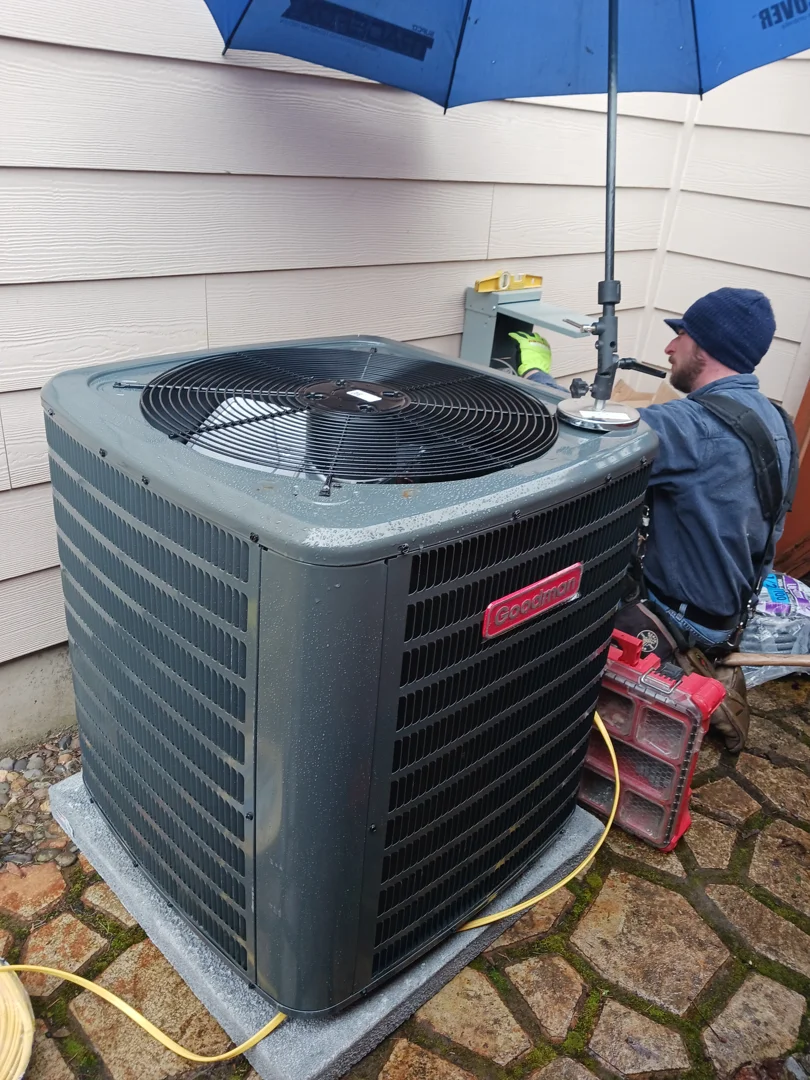
5 Common Questions About What Shortens Your AC Lifespan Even With Light UseDiscover what shortens your AC lifespan even with light seasonal use in Oregon and how to prevent early failure with expert maintenance tips.
Read more
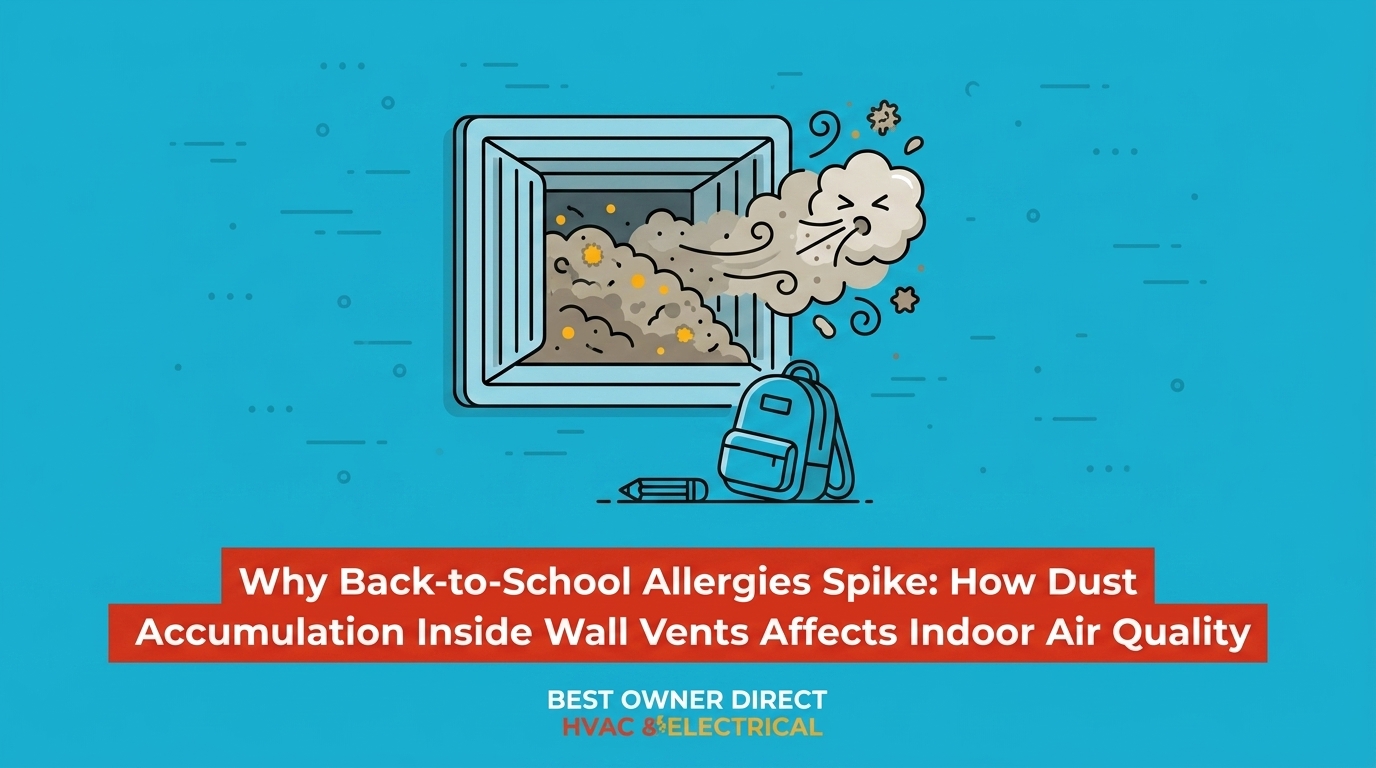
How Dust Accumulation Inside Wall Vents Affects Indoor AllergiesAs windows close for late summer, trapped pollen and dander recirculate through your home. The mechanical link between dirty ducts and back-to-school allergies is often overlooked.
Read more
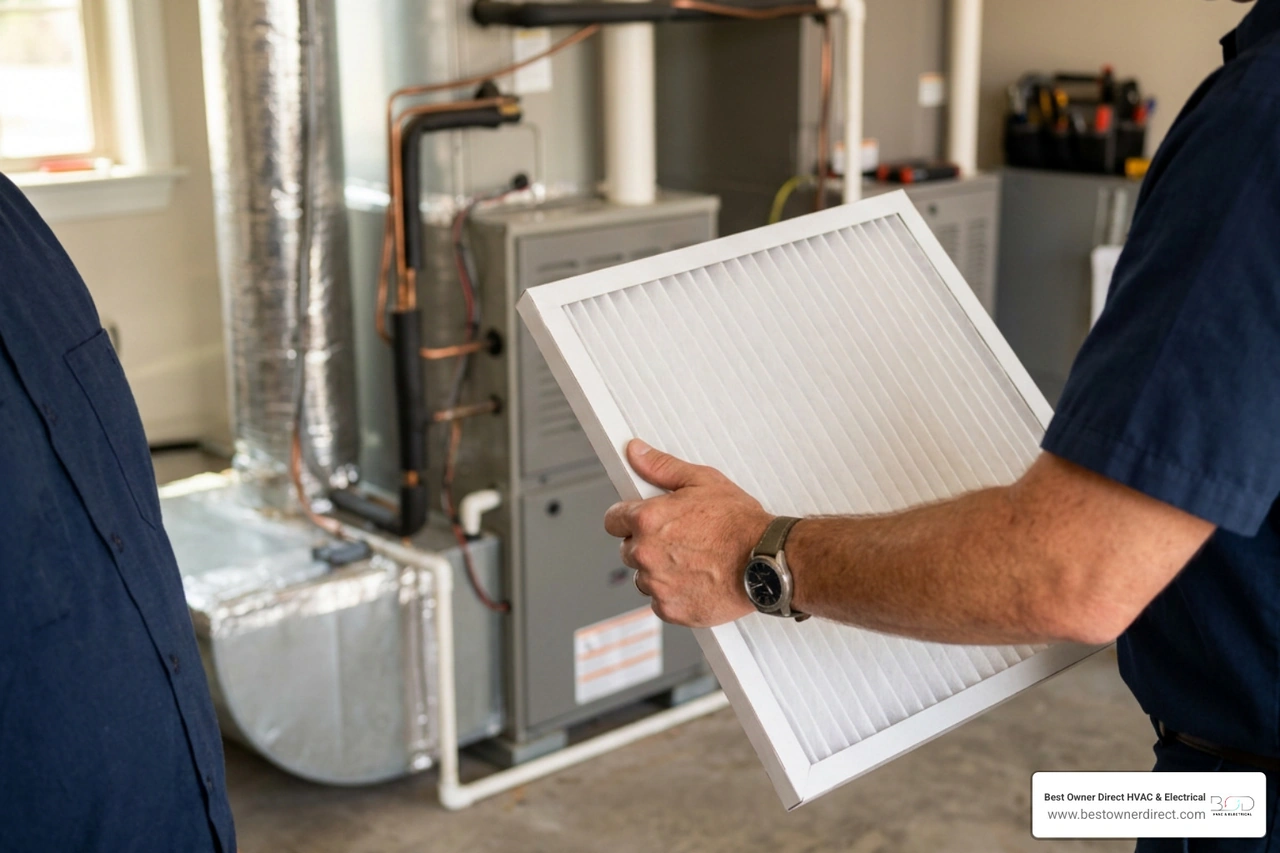
How a Better Filter Improves Your AC Efficiency: A Quick GuideLearn how the right filter improves your AC efficiency by reducing energy use and boosting cooling performance.
Read more