Menu


The Late-Summer Allergy Spike: When Closed Windows Trap Airborne Triggers
Your family's seasonal sniffles are flaring up again, but the outdoor pollen count is actually dropping. If you want to understand exactly how dust accumulation inside wall vents affects indoor allergies, you have to look closely at what happens when your home transitions from summer cooling to a sealed-up fall environment. The late August back-to-school transition is a notorious time for respiratory irritation, and the culprit is often hiding right behind your walls.
At Best Owner Direct, our team has spent years evaluating and optimizing HVAC systems across the Cornelius area, and we've seen firsthand how this late-summer transition impacts families. We are always ready to assist with honest, straightforward solutions.
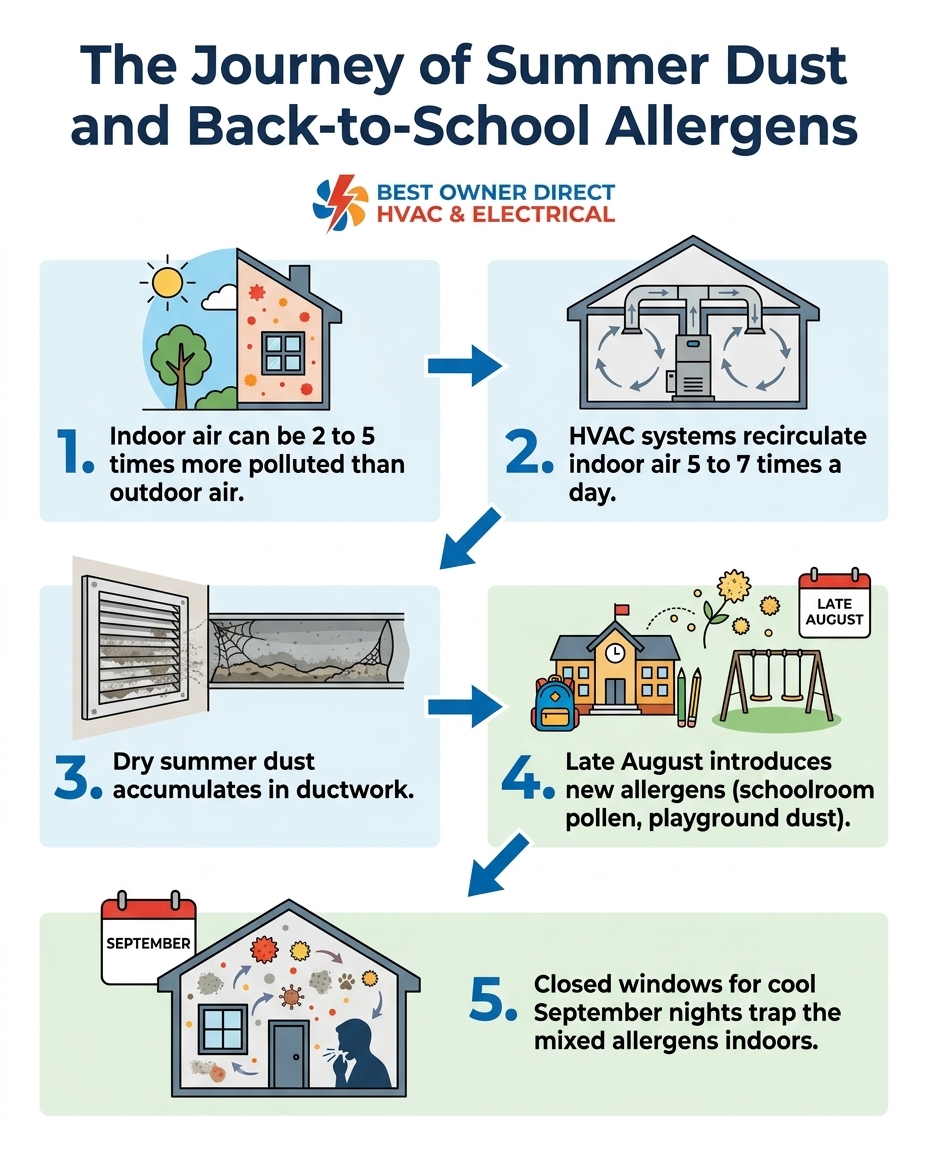
As families transition into late August and early September, a sudden increase in indoor allergy flare-ups becomes a predictable pattern. Throughout the peak of summer, windows are occasionally opened, and air conditioning systems run constantly, pulling in microscopic debris. When the nights start getting cooler, homeowners naturally shut their windows tightly to preserve indoor temperatures. This necessary step inadvertently traps a summer's worth of dust, pet dander, and airborne pollen inside the house.
The mechanical link to your discomfort lies in how your home breathes. A standard forced-air system repeatedly passes air over the accumulated dust sitting inside your ductwork, recirculating that same stale air five to seven times a day. Every time the blower motor kicks on, the air sweeps across these hidden layers of debris, picking up microscopic irritants and delivering them directly into your living spaces.
This creates a critical decision point for homeowners dealing with persistent sneezes and scratchy throats. You have to determine whether these symptoms require professional intervention to remove deep-seated contamination, or if basic filter changes will be enough to restore your indoor air quality. Understanding the physical mechanics of your ventilation system is the first step toward making that choice.
The Physics of Airflow: How Wall Vents for House Systems Launch Allergens
To truly grasp why indoor allergies peak at this time of year, we need to skip the basic definitions of indoor air quality and look at the actual physics of forced air. When your blower fan activates, it generates a significant amount of static pressure and velocity to push conditioned air through dozens of feet of winding sheet metal or flexible tubing. By the time this air reaches the end of the line, the dynamics of the airflow have changed drastically.
When our technicians inspect wall vents for house systems, we frequently see them acting as literal launching pads for allergens. Because they are positioned vertically, gravity naturally causes heavier dust particles to settle along the bottom lip of the duct boot and the louvered slats of the vent cover during the hours when the system is off. When the fan suddenly powers on, the high-velocity air slams into this resting debris, dislodging settled dust directly into the ambient air of your breathing zones.
The placement of these vents heavily influences the circulation of particulates in a room. If you want to dive deeper into how different configurations impact your home's air distribution, understanding the airflow dynamics of wall vents vs. floor vents can shed light on why certain rooms feel stuffier than others. High wall vents tend to cast dust over a wider downward trajectory, while low wall vents can stir up carpet fibers and pet hair resting on the floor.
The Environmental Protection Agency (EPA) frequently notes that indoor air can be two to five times more polluted than outdoor air. This staggering statistic is largely driven by mechanical systems continuously recirculating contaminants without adequate fresh air exchange, turning a minor dust problem into a continuous cycle of allergen exposure.
Velocity and Particulate Dislodgement
The sudden kick-on of the air conditioner or circulation fan creates an immediate spike in air pressure. This initial burst of air physically lifts heavier dust particles that a gentle breeze would leave undisturbed. Over time, as debris builds up on the vent grilles, it restricts the opening.
This restriction causes a "blowback" effect. When vents are partially obstructed or heavily coated in sticky summer debris, the air hits the blockage, creates turbulence inside the duct boot, and aggressively scours the walls of the ductwork before forcing its way out into the room. This turbulent airflow maximizes the amount of dust stripped from the duct walls and launched into your home.
The Summer Dust Trap in Pacific Northwest Homes
The local climate plays a massive role in how quickly your ductwork becomes contaminated. In our years of servicing HVAC systems throughout the Pacific Northwest—specifically in Cornelius, OR and surrounding areas—our team consistently notices how sharply the environment transitions. We experience very dry, dusty summer conditions throughout July and August, followed by significantly cooler, damp conditions as we move into September.
During those long, dry summer months, your home's air intake pulls in a heavy load of microscopic particulates. Dry soil, agricultural dust, and summer pollen are easily carried on the wind and sucked into your home every time a door opens. As your house vents gather this dry dust, along with normal household pet dander and skin cells, it begins to coat the interior of your ductwork.
Because indoor air also contains microscopic droplets of cooking oils, cleaning sprays, and natural humidity, this dry dust eventually forms a thick, sticky layer inside the ductwork. It ceases to be loose powder and becomes a semi-adhered mat of debris that standard filters cannot easily capture once it bypasses the return grille.
The impact of the seasonal shift is profound. Moving from a breezy, open-window summer to a sealed, closed-home environment in September traps this accumulated debris indoors. This trapped layer of sticky dust then acts as a sponge. As the fall weather brings higher humidity, the dust layer absorbs that moisture, creating a perfect breeding ground for mold spores and dust mites, drastically lowering your indoor air quality.
The Back-to-School Catalyst: Mixing New Allergens with Old Dust
A pattern we see often during late August service calls is the exact moment when this trapped summer dust becomes a severe problem. When children and educators return to the classroom, they become carriers for a host of new external allergens. Backpacks, shoes, and jackets bring playground dust, chalk dust, and specific schoolroom pollens directly into your hallways and living rooms.
This introduces a compounding effect that overwhelves your home's respiratory defenses. When these new, highly irritating allergens are pulled into your return vents, they don't just pass cleanly through the system. Instead, they mix with the sticky summer dust already trapped inside the air vents for house systems.
This combination creates a potent airborne cocktail. The old summer dust provides a base layer, while the new back-to-school allergens add fresh, highly reactive proteins to the mix. When the blower fan kicks on, it launches this combined particulate matter into the air. This is why families often experience severe late-August allergy flare-ups that seem entirely disproportionate to the outdoor pollen count.
According to data from leading allergy and asthma organizations, the compounding nature of indoor triggers is a primary cause of chronic respiratory distress. It is rarely one single allergen causing the problem; rather, it is the continuous, mechanical recirculation of multiple overlapping allergens that keeps the immune system in a constant state of high alert.
Identifying the Source: Are Your House Vents Making You Sick?
Before you panic and assume your entire ductwork system needs to be ripped out, it is important to differentiate between normal household dust and heavily contaminated vents that are actively degrading your air quality. Normal dust settles on coffee tables and bookshelves; vent contamination actively blows into your face when the system runs.
When we perform indoor air quality assessments, these are the physical signs of vent contamination we tell homeowners to look for:
• Visible dust webs: Thick, stringy dust hanging from the louvers of the vent cover.
• Dark streaks on drywall: A phenomenon known as "ghosting," where dark, soot-like stains radiate outward from the edges of the vent onto the ceiling or wall.
• Persistent musty odors: A damp, dirty sock smell that only appears immediately after the blower fan turns on.
• Debris on the floor below: Small flakes of dark material resting on the floor directly beneath a high wall vent.
Physiological signs are equally telling. Pay attention to allergies that are noticeably worse when the AC or fan turns on, but magically improve when you leave the house for work or school. If your symptoms peak first thing in the morning after the system has run all night, your vents are likely contributing to the problem.
You can perform a basic visual check without disturbing the ductwork. Shine a bright LED flashlight through the slats of your return and supply vents. Look at the metal walls immediately behind the grille. If you see a light, fuzzy coating, that is relatively normal. If you see thick, caked-on debris that resembles the lint trap in your dryer, you have a deeper issue.
This simple check helps clarify when symptoms point to a deeper duct issue requiring intervention versus a simple need to vacuum the carpets more frequently and upgrade your standard air filter.
Filter Replacements vs. Professional Duct Interventions
When dealing with indoor air quality, we believe it is vital to have clear, transparent guidance on what actually solves the problem. Separating minor, routine maintenance from necessary professional cleaning can save you significant frustration.
The first line of defense is always your air filter. MERV-rated (Minimum Efficiency Reporting Value) filters are designed to catch dust before it ever enters the ductwork. Changing them frequently during the late summer is critical. We typically recommend a MERV 8 to MERV 11 filter, as it strikes the right balance for most homes, capturing pet dander, pollen, and dust mites without restricting the airflow your blower motor needs to function properly.
However, there are specific scenarios where a filter change is no longer enough. If you shine a flashlight into your vents and spot visible mold growth, evidence of severe pest intrusion (like rodent droppings), or decades of caked-on, sticky debris that restricts airflow, a new filter won't clean what is already past the return grille. In these cases, reaching out for professional HVAC services is the only way to remove the source of the contamination.
This is where our Best Owner Direct model makes a massive difference. Having worked on countless residential systems, we explicitly warn homeowners against aggressive, unnecessary duct cleaning up-sells that use fear-mongering tactics to push expensive services you don't actually need. A legitimate, transparent assessment of your duct health involves showing you exactly what is inside your system, explaining the physics of the airflow, and letting you make an informed decision without middleman markups.
If your ducts only have a light coating of dust, a high-quality filter and routine cleaning of the vent covers is often all we will recommend. We only advise professional duct intervention when it is mechanically necessary to restore proper airflow and protect your family's health.
Proactive System Care Before the Fall Chill
Transitioning from understanding the problem to taking proactive maintenance steps is crucial before the heavy heating season begins. Late summer is the ideal time to address dust accumulation, because ignoring it until the first cold night can lead to an incredibly unpleasant experience.
When you switch your system over to heating mode for the first time in autumn, the furnace burners or heat pump coils heat up significantly. Any settled dust, pet hair, or debris sitting on the heat exchanger will literally burn off. This creates a harsh, acrid smell that permeates the house and severely worsens indoor air quality for several days. Addressing summer dust accumulation before this switch prevents that noxious burn-off.
Having a professional evaluate the entire system is about more than just cleaning; it is about verifying duct integrity and airflow balance. Just last season, our technicians helped a local Cornelius homeowner who reached out for an evaluation of a messy and outdated HVAC system that was contributing to uneven temperatures and poor air quality. During the service, we thoroughly cleaned up the old setup, sealing leaks and optimizing the airflow path. The system was updated seamlessly, providing great value and an immediate reduction in airborne dust.
Routine care extends the life of the equipment while keeping indoor allergens to an absolute minimum. A blower motor that doesn't have to fight through clogged filters and dirty ducts draws less electricity and experiences less mechanical wear. We highly recommend establishing a consistent schedule for system check-ups. Enrolling in a routine HVAC maintenance plan ensures that your system is thoroughly inspected and prepped for the changing seasons before dust buildup ever has a chance to trigger your family's allergies.
Frequently Asked Questions About Vent Dust and Allergies
Can dusty air vents for house cause allergies?
Yes, dusty air vents act as a rapid distribution system for indoor allergens. When the blower fan activates, it continuously blows settled dust, pollen, and pet dander back into the living space. Because the system recirculates the same air multiple times a day, the concentration of these allergens increases, directly triggering respiratory irritation and allergy flare-ups.
How do you know if your house vents are making you sick?
The most obvious sign is a pattern of symptoms—such as coughing, sneezing, or worsening asthma—that peak specifically when the HVAC system turns on. You may also notice that your symptoms improve significantly when you leave the house. Visually, look for heavy dust buildup on the vent covers, dark streaks on the surrounding drywall, or a persistent musty smell coming from the registers.
Does cleaning wall vents for house improve air quality?
Wiping down the exterior covers and vacuuming the immediate duct boot helps locally by preventing that specific dust from blowing into the room. However, if the main trunk lines and ductwork behind the walls are heavily contaminated, surface cleaning won't solve the problem. Professional cleaning of the entire duct system is required to see a significant, lasting improvement in overall home air quality.
Why are my allergies worse when the AC turns on?
The sudden rush of forced air from the AC dislodges resting particulates inside the ductwork. This immediately increases the concentration of airborne allergens in the room, launching them directly into your breathing zone. Additionally, if the AC coils are dirty or holding moisture, the system may be blowing microscopic mold spores into the air along with the cold draft.
How often should HVAC filters be changed during allergy season?
During peak allergy seasons, or when transitioning back to school in the late summer, filters should be checked monthly. Depending on the MERV rating, the number of pets in the home, and local dust levels, they should be replaced every 30 to 60 days. Waiting the standard 90 days during a high-allergen period often leads to restricted airflow and increased indoor particulate levels.
Breathe Easier This Fall with Honest Indoor Air Solutions
Understanding the mechanical link between dusty vents and back-to-school allergies is the first step toward reclaiming your home's comfort. When you know how the physics of airflow interact with trapped summer dust and new schoolroom allergens, you can stop guessing at the cause of your family's seasonal flare-ups.
Clear guidance, high-quality filtration, and proactive maintenance are the keys to maintaining a healthy, breathable home environment as the seasons change. If you suspect your system is circulating more dust than cold air, we encourage you to explore professional, transparent options. Proper evaluation ensures that you only invest in the services your home actually needs to breathe easier this fall.


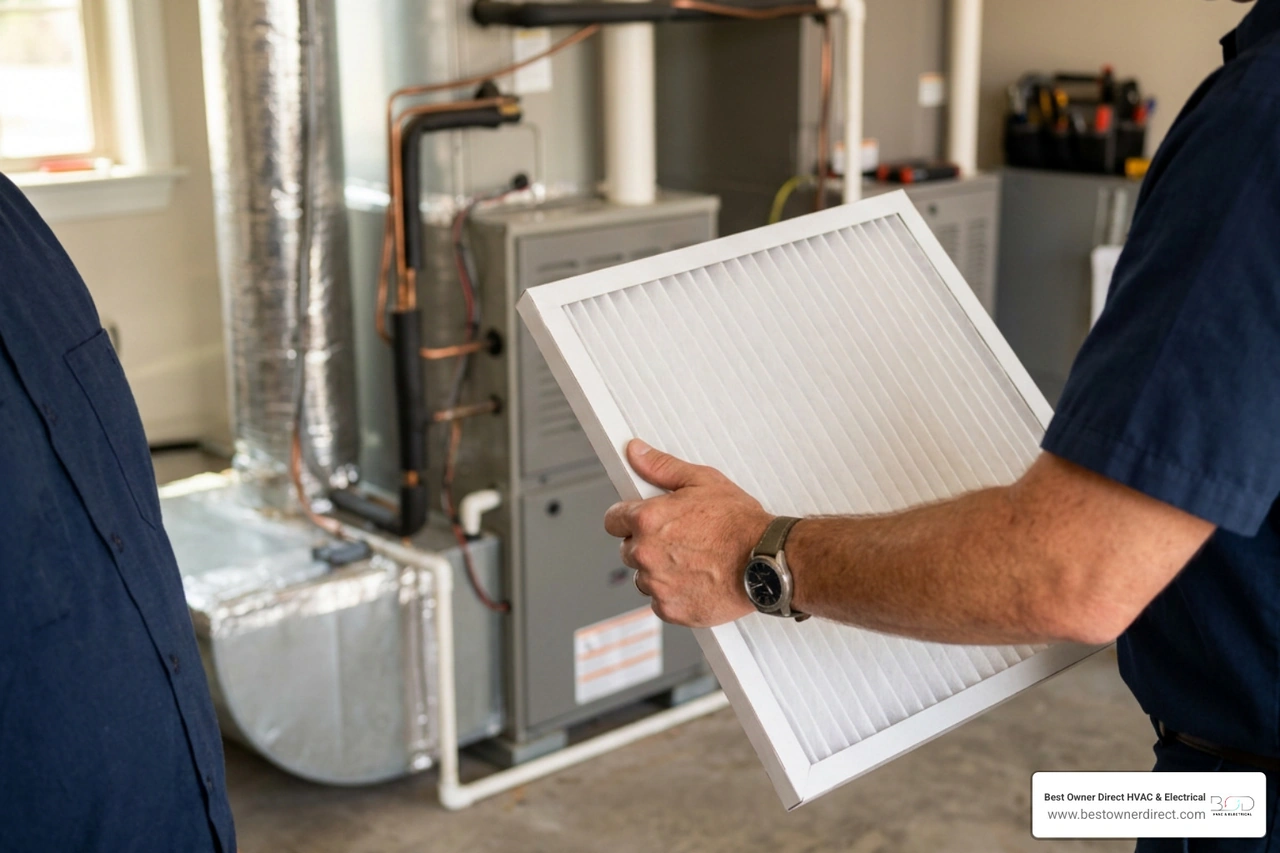
How a Better Filter Improves Your AC Efficiency: A Quick GuideLearn how the right filter improves your AC efficiency by reducing energy use and boosting cooling performance.
Read more
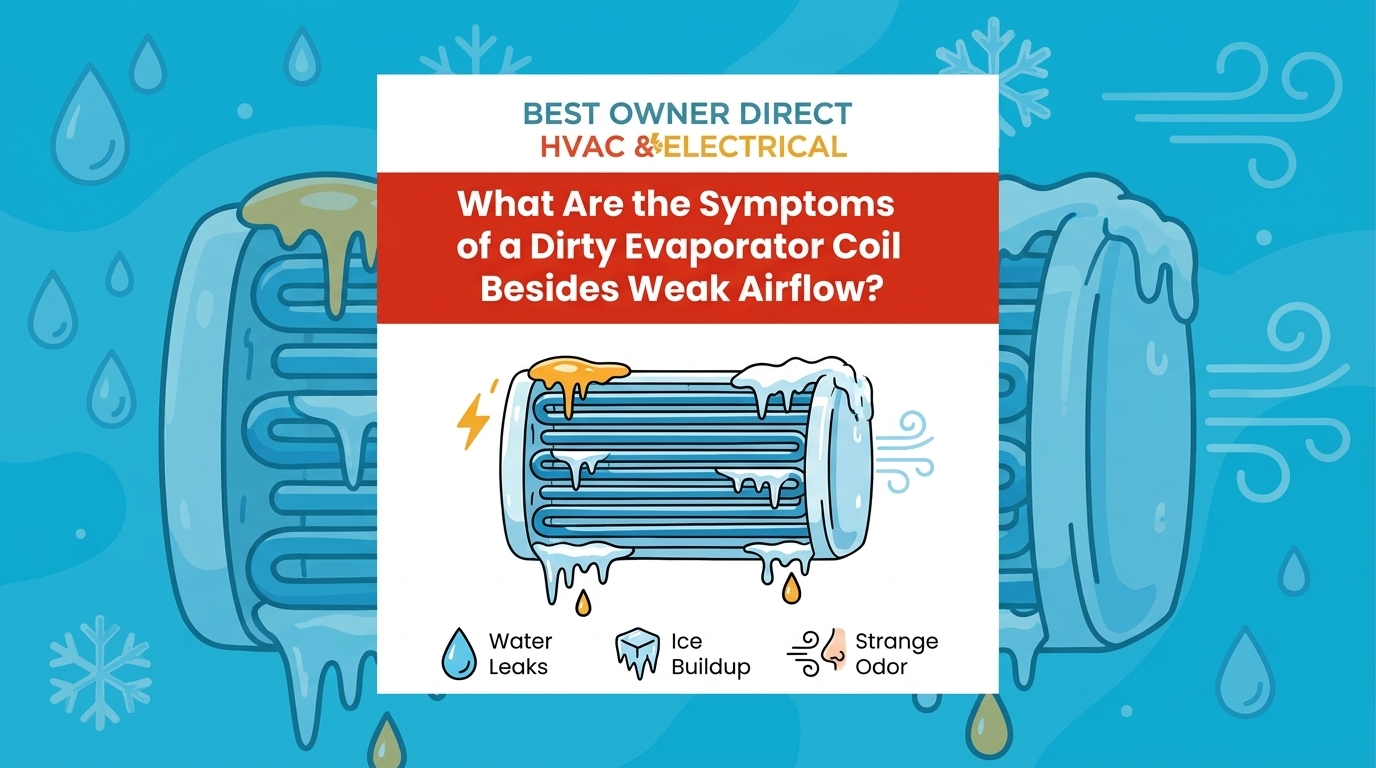
What Are the Symptoms of a Dirty Evaporator Coil Besides Weak Airflow?When your vents blow hard but your house still feels muggy, you might be dealing with a hidden AC issue. Discover why high humidity and non-stop cycling point to coil buildup.
Read more
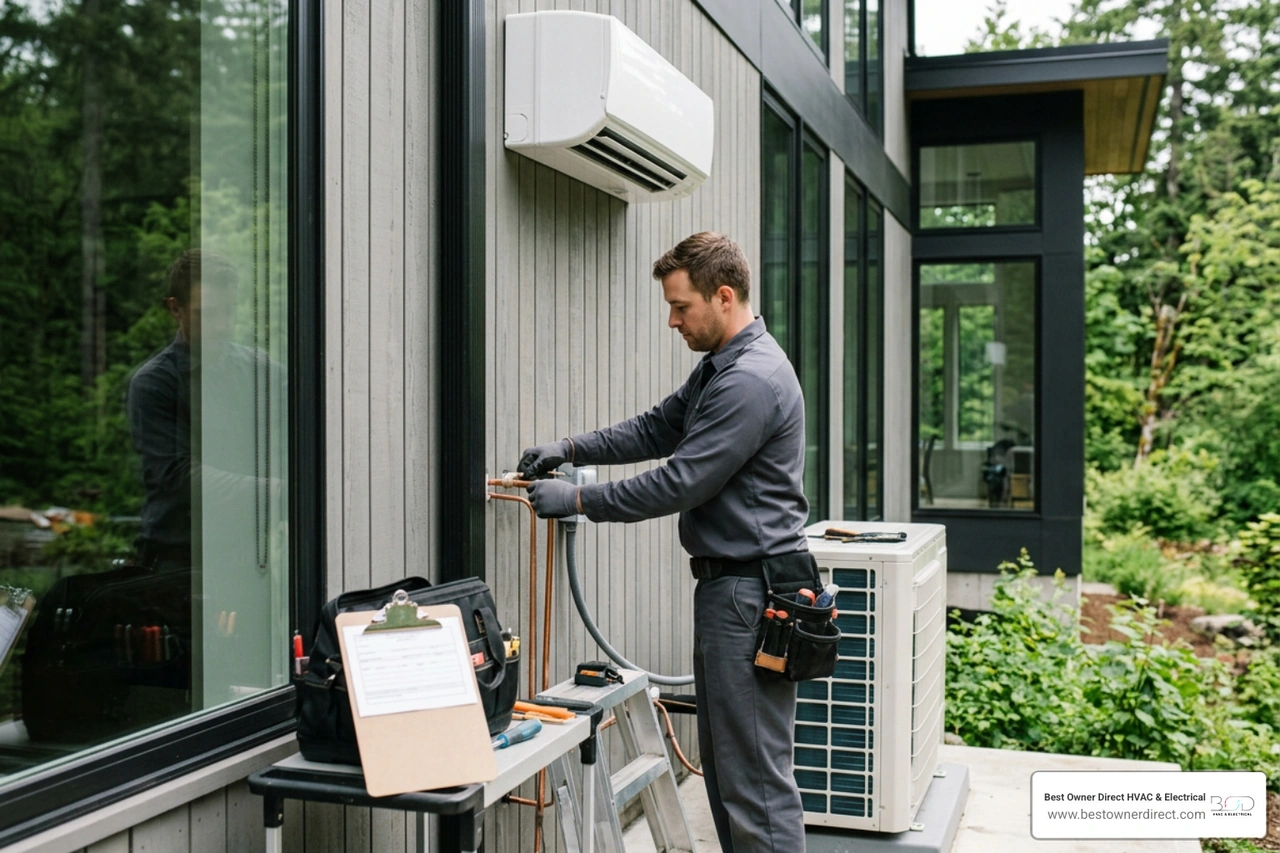
What Permits Are Needed for Mini Split Installation in Oregon?Learn what permits are needed for mini split installation in Oregon, including mechanical and electrical requirements, from Best Owner Direct HVAC & Electrical.
Read more