Menu


Both are heat pumps and both heat and cool efficiently — the real question is delivery. A ducted system uses your existing ductwork to condition the whole house invisibly from one air handler; a ductless mini-split mounts individual indoor units in the rooms they serve, needs no ducts at all, and gives each zone its own thermostat. The right choice usually falls straight out of your home's construction.
What's the actual difference?
A ducted heat pump swaps into the role your furnace and central AC played: one indoor unit, air distributed through ducts, one thermostat (or zoned dampers). A mini-split skips ducts entirely — a small outdoor unit connects by refrigerant lines to one or more indoor heads (wall-mounted, ceiling cassette, or low-profile floor units), each conditioning its own space independently.
When is ducted the natural answer?
• Your home has ducts in decent condition. Reusing sound ductwork keeps cost down and preserves the invisible look — no wall units, just vents you already have.
• You want one-system whole-home simplicity. One filter location, one thermostat, familiar operation.
• Aesthetics veto wall units. Some homeowners simply don't want visible heads; that's a legitimate deciding factor.
The caveat: ducted performance inherits your ducts' condition. Leaky or undersized ductwork bleeds away efficiency the equipment earned — duct evaluation is part of any honest ducted quote (see what drives system cost).
When does a mini-split win outright?
• No ducts: older homes with baseboard or wall heaters — common in older Cornelius, Forest Grove, and Hillsboro housing stock — skip the enormous cost of retrofitting ductwork entirely.
• Additions and problem rooms: the bonus room over the garage, the converted attic, the ADU — a single-zone mini-split solves the room the main system never reached.
• Room-by-room control: each head is its own zone. Bedrooms cool, living room warm, empty rooms off — no duct dampers required.
• Duct losses eliminated: with no ducts there are no duct leaks; delivery is direct to the room.
What are the honest downsides of each?
Mini-splits: visible indoor units; each head's filter needs regular cleaning; and whole-home multi-zone systems can approach or exceed ducted cost once you're conditioning many rooms. Ducted: inherits duct problems; one thermostat means compromise temperatures unless you add zoning; and if ducts must be built from scratch, cost and disruption climb steeply — often past the mini-split option they were competing with.
Can you combine them?
Yes, and it's often the smartest layout: a ducted system for the home's core plus a ductless head for the addition, garage office, or ADU. One outdoor unit can frequently serve mixed indoor types. This hybrid pattern is common in our service area precisely because so much local housing mixes original construction with later additions.
How to decide
Let the house vote first: sound ducts favor ducted; no ducts favor ductless; problem rooms favor a head where the problem lives. Then let sizing and a real quote settle it — schedule an assessment and we'll walk the house, evaluate the ducts honestly, and price the configurations that genuinely fit. Our heat pump buying guide covers the equipment side of the same decision.
What to read next
Whichever delivery method fits your home, see the payment options available before the quote arrives.
Quick answers
Questions we hear about this
Do mini-splits heat as well as ducted heat pumps?+Yes — the heat pump technology is the same; only the delivery differs. Mini-splits often perform slightly better in the rooms they serve because nothing is lost in ductwork.
How many rooms can one mini-split system serve?+Multi-zone outdoor units commonly support several indoor heads, each independently controlled. Past a certain number of zones, a ducted or hybrid layout may be more cost-effective — that's a sizing conversation for your specific floor plan.
Is a mini-split less expensive than a ducted heat pump?+For a single room or an addition, usually yes — you skip the cost of extending ductwork. For whole-home multi-zone coverage, a mini-split system can approach or exceed ducted cost once you're conditioning many rooms, so it's worth pricing both.
Can a mini-split replace a whole home's heating and cooling?+Yes, with a multi-zone system serving several rooms from one outdoor unit — common in homes with no ducts at all. Whether that's the better call versus ducted (if ducts are an option) comes down to your home's layout and budget.
Do mini-splits need any maintenance?+Yes — each indoor head's filter needs regular cleaning, which is a bit more upkeep than a single ducted filter location but still a simple homeowner task. Professional maintenance still covers refrigerant charge and electrical health, same as any heat pump.


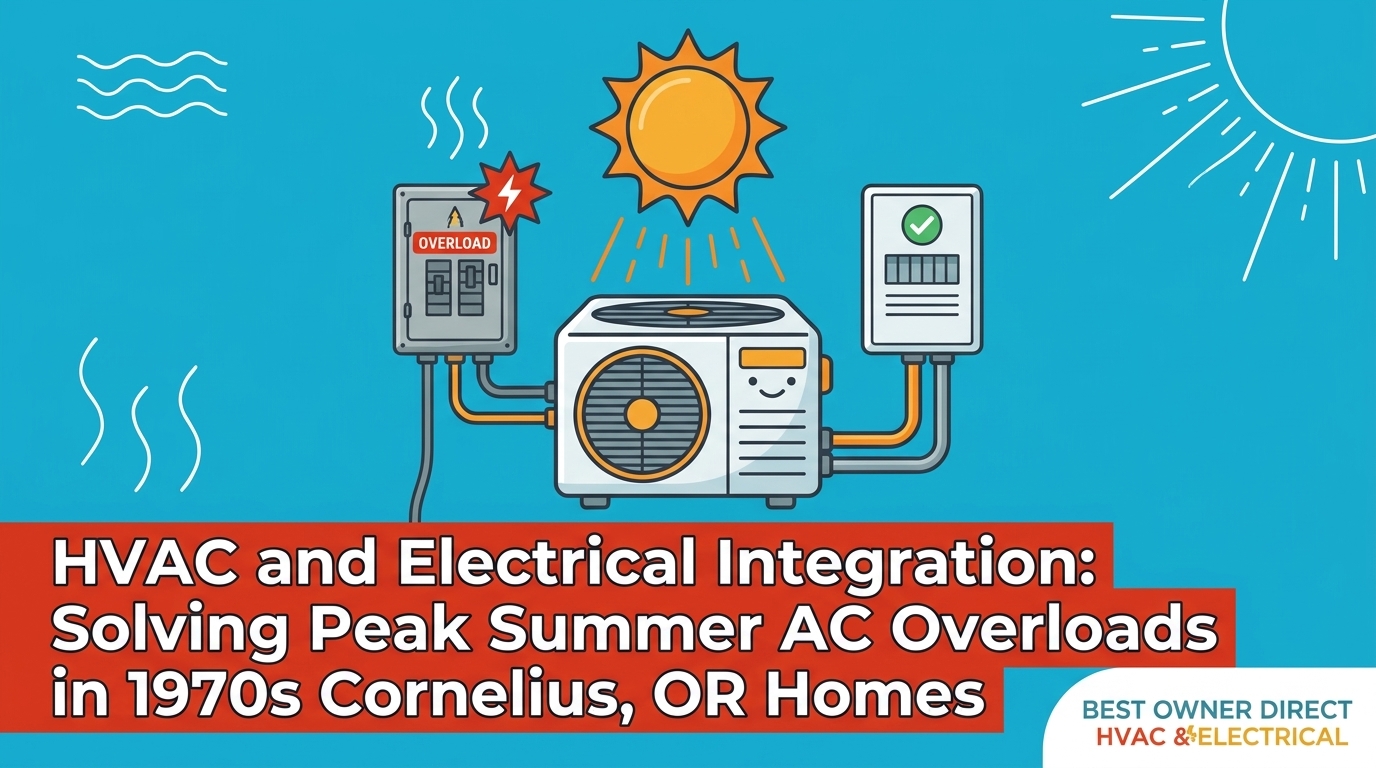
How Cornelius Homes Handle Peak Summer AC Loads on Older Electrical PanelsModern AC units often overwhelm aging 1970s electrical panels during intense summer heat. Review the warning signs and specific upgrades needed to keep your home safely cooled.
Read more

The Electrical Toll of a Struggling HVAC System on Your Home's BreakersAn aging air conditioner does not just lose cooling power; it actively stresses your electrical panel. A tripping breaker during late summer heat is a warning sign requiring professional diagnosis.
Read more
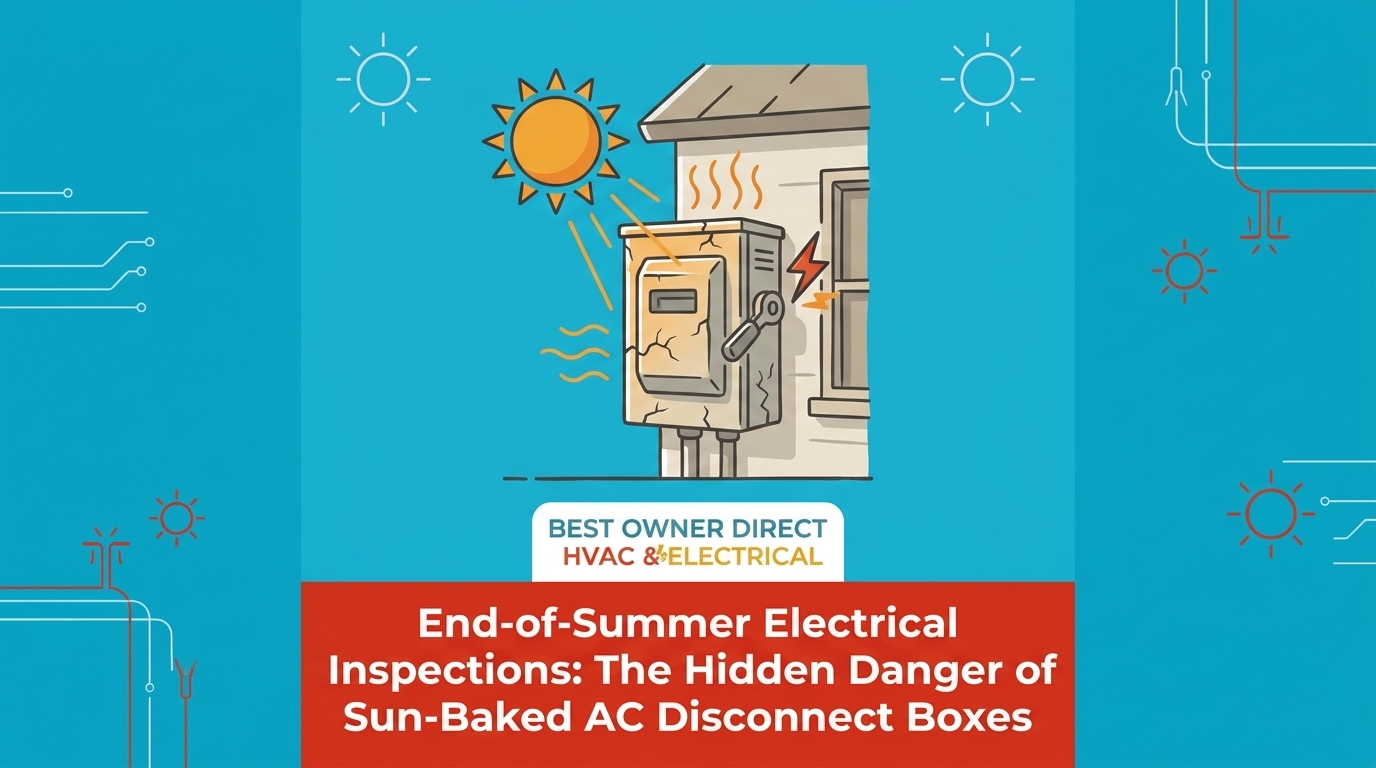
End-of-Summer Electrical Inspections: Checking Outdoor Disconnect BoxesAfter months of intense Pacific Northwest sun, your outdoor AC disconnect box can become brittle and unsafe. Learn the visual warning signs of UV degradation.
Read more