Menu


That High-Pitched Sound: Diagnosing Whistling Vents During Late Summer
As we hit the August late-summer peak AC usage, your cooling system has likely been running hard for months. If you are noticing a new, high-pitched noise echoing through your halls, you are probably wondering: is it normal for house vents to whistle when the AC is running? The short answer is no. That whistling sound is not just a minor annoyance you have to live with; it is a mechanical alarm bell signaling that your HVAC system is struggling to breathe.
If you are dealing with airflow issues, learn more about our Air Conditioning solutions or schedule HVAC Services today.
In Cornelius, OR area homes, summer highs require prolonged, sustained AC cycles. When your air conditioner runs for hours at a time to combat upper-90-degree heat, any minor restriction in your ductwork becomes magnified. A slight airflow imbalance that you might not notice in mild spring weather can quickly escalate into a loud, persistent whistle by late August.
At the heart of this issue is your HVAC system's blower motor. The blower motor is designed to push a very specific, calculated volume of air through your ductwork and into your living spaces. When the air has a clear path, the system operates quietly and efficiently. However, when something blocks that path, the air is forced to squeeze through smaller openings. This creates a pressure imbalance. You are now faced with a decision point: do you ignore the noise and hope it goes away, or do you fix the underlying airflow restriction before the excess strain causes your blower motor to fail right before the season ends?
The Direct Answer: Why Your House Vents Are Whistling
No, it is not normal for house vents to whistle when the AC is running. A whistling vent is a direct symptom of high static pressure within your ductwork. Static pressure is the resistance to airflow in your heating and cooling system. When resistance goes up, the blower motor has to work significantly harder to push the same amount of air.
To understand why the whistling happens, think about a standard garden hose. If you turn the water on and let it flow freely, it pours out quietly. But if you place your thumb over half of the nozzle, what happens? The water cannot escape as easily, so the pressure builds up behind your thumb. The water that does escape shoots out at a much higher velocity, often creating a loud hissing or whistling sound.
The exact same physics apply to your house vents. When the airflow path is restricted, the air pressure inside the duct spikes. As the blower motor forces air through a partially blocked register or a restricted filter, the air velocity increases, creating a high-pitched whistle as it slices through the metal fins of your grilles.
The most common immediate causes of this pressure spike include:
• Dirty or clogged air filters: The number one cause of system suffocation during heavy summer use.
• Closed supply dampers: Shutting vents in unused rooms forces excess air into the remaining open vents.
• Blocked return grilles: Furniture, rugs, or curtains choking off the air trying to return to the system.
• Leaky ductwork: Disconnected or unsealed ducts causing air to whistle as it escapes into your attic or crawlspace.
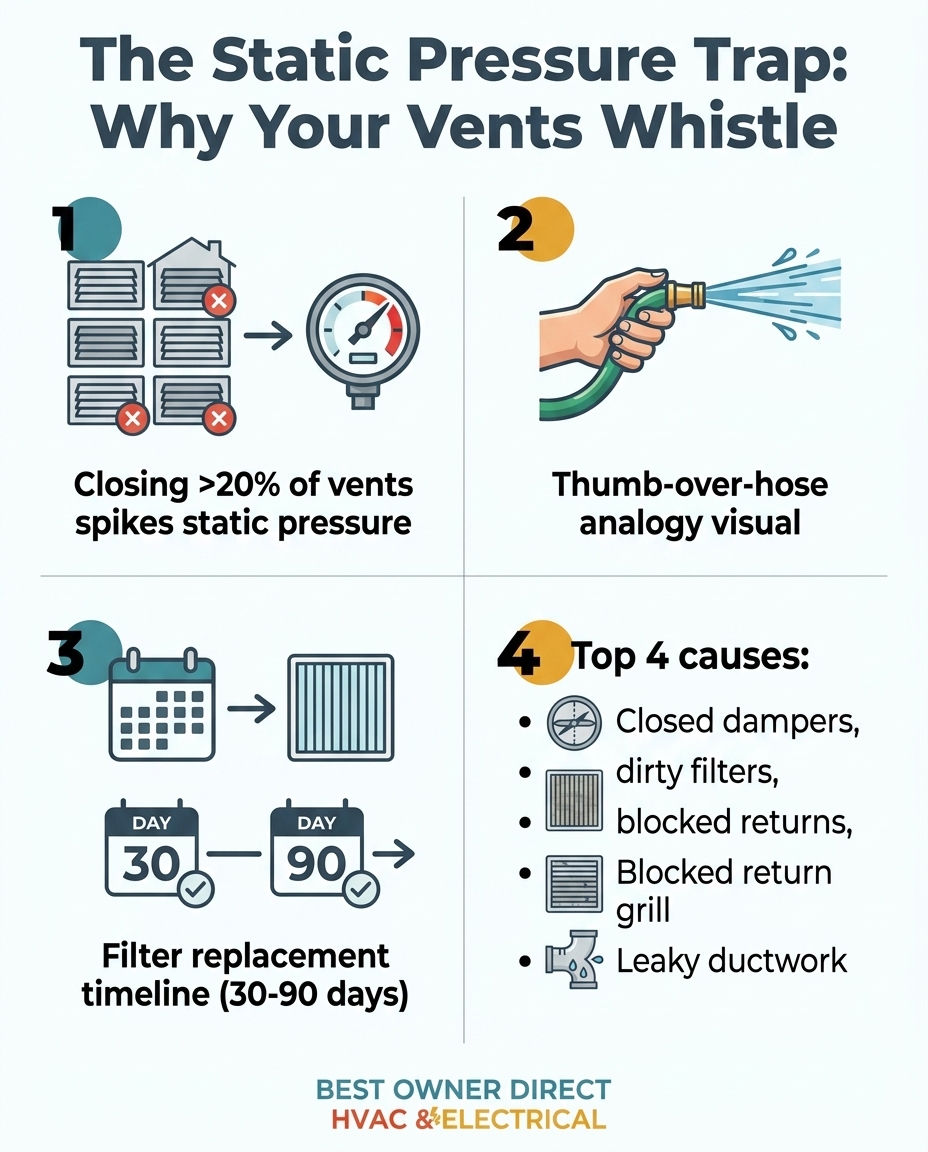
What Happens If You Cover a Vent? The Static Pressure Trap
One of the most frequent questions we hear from homeowners trying to optimize their cooling is, "what happens if you cover a vent to save energy?" It seems logical on the surface. If you have a guest bedroom or a formal dining room that you rarely use, why pay to cool it? Closing the vents in those rooms should redirect the cold air to the rooms you actually use, right?
Unfortunately, this is one of the most damaging myths in residential HVAC. Closing vents does not save energy; it actively harms your system and creates a static pressure trap.
Your central air conditioning system is not "smart" enough to know that you closed a vent in the guest bedroom. The blower motor is sized to push a specific volume of air throughout the entire house. If you want to know what happens when you close vents in unused rooms, the answer is that the blower motor continues pushing the exact same amount of air, but now it has fewer avenues to deliver it.
Data shows that closing more than 20% of a home's registers can increase static pressure enough to cause significant mechanical strain. The air backs up into the ductwork, pressure builds, and the air is forced out of the remaining open vents at a much higher velocity—which is exactly where that high-pitched whistling noise comes from. This cumulative strain peaks during the August late-summer peak AC usage, drastically increasing the risk of your blower motor overheating or burning out entirely.
The Myth of Zoned Cooling via Closed Dampers
Homeowners mistakenly believe that closing a few dampers creates a DIY "zoned cooling" system. True zoned cooling relies on a variable-speed blower motor and a complex network of automated dampers and bypass ducts that safely relieve excess pressure. Standard residential HVAC systems are balanced for a specific volume of airflow across the entire floor plan.
When you manually close dampers on a standard system, you disrupt this delicate balance. The high-pitched whistling noise is the physical manifestation of your system fighting against the artificial roadblock you just created. Leaving all interior doors open and all supply registers fully open is the best way to maintain healthy static pressure and keep your system running quietly.
Common Culprits Behind High-Pitched House Air Vents
If you have established that your vents are fully open but the noise persists, it is time to look at the other common reasons why house air vents start making noise. Because an HVAC system relies on a continuous loop of air, a blockage anywhere in the cycle will impact the pressure everywhere else.
The Role of the Air Filter in Duct Pressure
The most frequent offender for airflow restriction is a dirty air filter. As your AC runs throughout the summer, the filter catches dust, pet dander, pollen, and airborne debris. Over time, this debris creates a solid physical barrier. The blower motor is trying to pull warm air from the house through the filter to cool it, but the clogged filter starves the system of return air. This starvation creates a vacuum effect, causing pressure imbalances that lead directly to whistling.
According to ENERGY STAR guidelines, standard 1-inch filters should be changed every 30 to 90 days. However, during the peak cooling months when the system runs daily, that frequency often needs to increase to every 30 days.
It is also important to note the difference in filter types. High-MERV filters (MERV 11 or 13) are excellent for trapping microscopic allergens, but they are woven much tighter than standard MERV 8 filters. If your ductwork was not designed to handle the high airflow resistance of a premium pleated filter, simply upgrading your filter can cause your house air vents to whistle.
• Standard Fiberglass (MERV 1-4) — Airflow Resistance: Very Low — Replacement Frequency (Summer): Every 30 days — Impact on Static Pressure: Minimal impact, but poor air quality
• Pleated Basic (MERV 8) — Airflow Resistance: Moderate — Replacement Frequency (Summer): Every 30-60 days — Impact on Static Pressure: Balanced airflow and protection
• High-Efficiency (MERV 11-13) — Airflow Resistance: High — Replacement Frequency (Summer): Every 60-90 days — Impact on Static Pressure: Can spike pressure if system is incompatible
Beyond the filter, blocked return grilles are another major culprit. The return grilles are the large vents (often located in hallways or on the ceiling) that pull air back into the system. If you recently moved a couch over a floor return, or a heavy curtain is draped over a wall return, you are choking the system.
Finally, there are structural issues. If a previous contractor installed an oversized blower motor on undersized ducts, the system will constantly push too much air for the ductwork to handle, resulting in a permanent whistle that requires professional duct modification to resolve.
Safe Troubleshooting: How to Stop Air Vents From Whistling
Before you panic about a failing blower motor, there are several safe, actionable DIY steps you can take to alleviate static pressure. By following this troubleshooting checklist, you can often stop the whistling in a matter of minutes.
1. Step 1: Open all supply registers and dampers. Walk through every room in your home—including the guest room, the basement, and the office. Ensure that the louvers on every single supply vent are fully open. If the vent has a small dial or lever, make sure it is turned to the open position.
2. Step 2: Check and replace the air filter. Turn your thermostat to the "off" position. Locate your air filter and pull it out. Hold it up to a light source; if you cannot see light shining through the material, it is fully clogged and must be replaced. During the August late-summer peak AC usage, if your filter has been in place for more than 30 days, swap it out for a fresh one regardless of how it looks.
3. Step 3: Inspect all return grilles. Walk your home again, this time looking specifically at the large return vents. Ensure there is at least two feet of clearance around every return grille. Move any furniture, rugs, or decorative items that might be obstructing the airflow.
4. Step 4: Check internal doors. Because residential HVAC systems often rely on central return grilles in the hallway, closing bedroom doors tightly can trap air in the rooms, pressurizing the room and causing the supply vents to whistle. Keep interior doors cracked open when possible.
A vital warning: While these steps are perfectly safe for homeowners, you should never attempt mechanical repairs on the blower motor, open the furnace cabinet to adjust fan speeds, or attempt to seal internal ductwork yourself. These tasks require specialized tools, electrical safety training, and a licensed professional.
When Whistling Means It's Time for Professional Diagnostics
If you have opened every vent, replaced the filter, and cleared the return grilles, but the high-pitched whistling remains, the issue lies deeper within the system. You are likely dealing with hidden ductwork blockages, disconnected ducts leaking air into the attic, or a failing blower motor that is struggling to maintain proper RPMs.
This is where professional diagnostics become necessary. A trained technician does not just guess at the problem; they use a manometer to measure the static pressure exactly, finding the specific points where airflow is restricted.
As an Owner Direct HVAC company, we emphasize transparent diagnostics. We explain the "why" behind the whistle so homeowners understand the physics of their system without fear of unnecessary upselling. We want you to know exactly what is happening inside your ductwork.
Real-world experience proves how critical these diagnostics are. One Cornelius homeowner reached out during the summer when their very old HVAC system stopped working entirely after weeks of poor airflow and strange noises. A technician arrived, found the underlying problem causing the restriction, swapped a failing part, and thoroughly cleaned the heavily soiled filter and condenser coil. The outcome? The system began blowing cold air better than it had in years, completely eliminating the strain that had bogged it down.
Catching airflow issues early prevents these total breakdowns. This is why regular check-ups are so important. Investing in a comprehensive HVAC maintenance plan ensures that static pressure issues are caught in the spring, long before the late-summer heat turns a minor whistle into a major mechanical failure.
Frequently Asked Questions About Whistling House Vents
Why does my AC vent sound like it's whistling?
Your AC vent sounds like it is whistling because of high static pressure in the ductwork. When airflow is restricted by a dirty filter or closed dampers, the blower motor forces the air through smaller openings at a higher velocity. This fast-moving air creates a high-pitched noise as it passes through the metal fins of the vent.
How do I stop my air vents from whistling?
You can usually stop air vents from whistling by removing the restrictions causing the pressure spike. Start by walking through your home and opening all supply registers, even in unused rooms. Next, replace your air filter if it is dirty, and ensure no furniture or rugs are blocking your return grilles.
Is a whistling AC vent dangerous to my HVAC system?
Yes, ignoring a whistling AC vent can be dangerous to your HVAC system's longevity. The whistle indicates that the blower motor is working against severe resistance, which can cause the motor to overheat, freeze the evaporator coil, or fail completely if left unresolved during peak summer usage.
What happens if you cover a vent to redirect air?
If you cover a vent to redirect air, you actually harm your HVAC system by increasing the static pressure inside the ducts. The blower motor is designed to push a specific amount of air, and covering vents forces that air to back up, causing mechanical strain, decreased efficiency, and loud whistling noises.
Can a dirty air filter cause a whistling sound?
Absolutely. A dirty air filter acts as a physical wall, starving the HVAC system of the return air it needs to function. This creates a vacuum effect that alters the pressure throughout the entire duct system, frequently resulting in a loud whistling sound at the supply vents.
Restore Quiet, Efficient Airflow to Your Home Today
Whistling vents are never just a quirk of an aging house; they are a clear sign of restricted airflow and high static pressure. Whether the culprit is a dirty filter, closed dampers in a spare bedroom, or a deeper mechanical issue, ignoring the noise only forces your blower motor to work harder, risking a complete breakdown right when you need cooling the most.
Taking a few minutes to open your registers and swap your filter can often solve the problem immediately. However, if the noise persists, it is time to bring in a local expert to measure your static pressure and protect your equipment. Proper duct pressure isn't just about summer cooling; it is vital for your heating system airflow as the seasons begin to change. Reach out to our team today for a transparent diagnostic visit, and let us restore quiet, efficient comfort to your Cornelius area home.


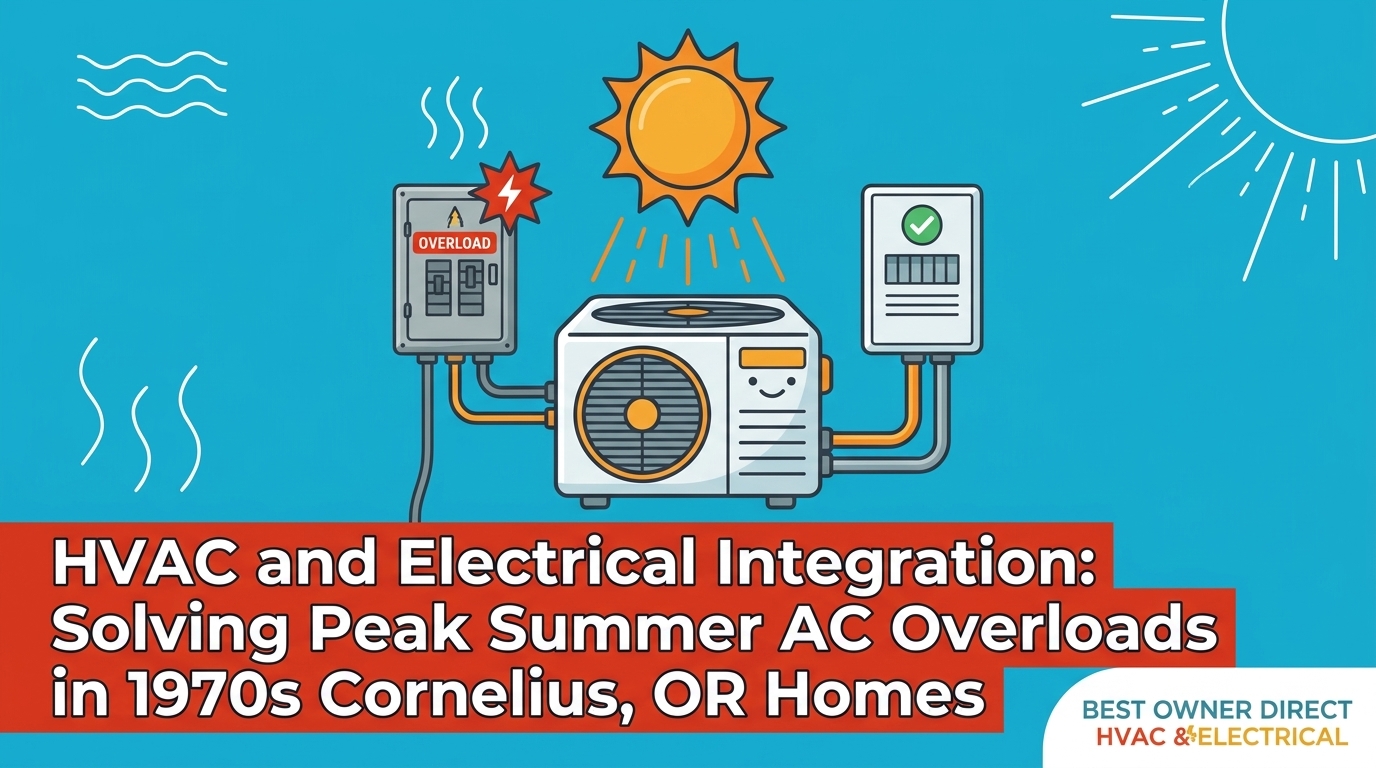
How Cornelius Homes Handle Peak Summer AC Loads on Older Electrical PanelsModern AC units often overwhelm aging 1970s electrical panels during intense summer heat. Review the warning signs and specific upgrades needed to keep your home safely cooled.
Read more

The Electrical Toll of a Struggling HVAC System on Your Home's BreakersAn aging air conditioner does not just lose cooling power; it actively stresses your electrical panel. A tripping breaker during late summer heat is a warning sign requiring professional diagnosis.
Read more
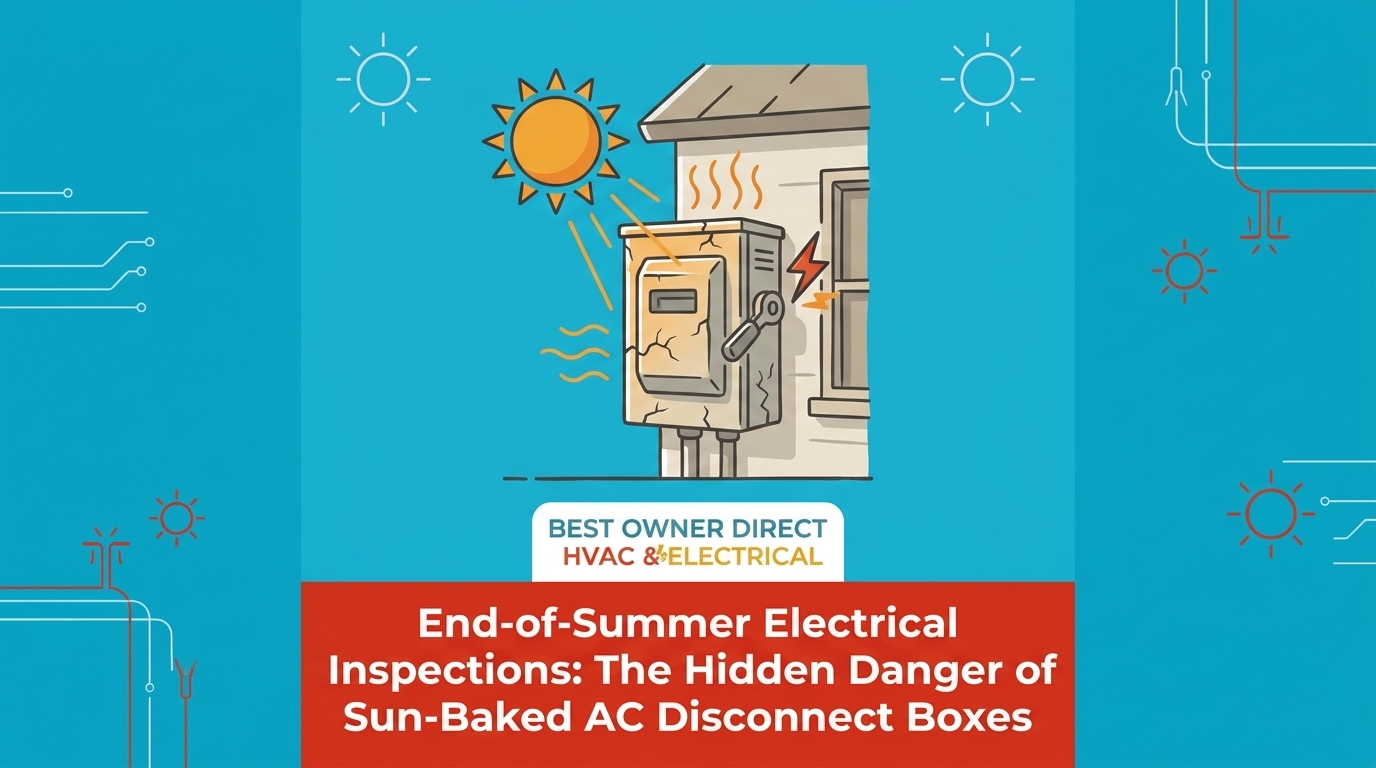
End-of-Summer Electrical Inspections: Checking Outdoor Disconnect BoxesAfter months of intense Pacific Northwest sun, your outdoor AC disconnect box can become brittle and unsafe. Learn the visual warning signs of UV degradation.
Read more