Menu


Tank water heaters cost less upfront and are simple to service; tankless units cost more to install but deliver endless hot water and take up almost no space. Neither is "better" — the right choice depends on your household's hot-water pattern, your gas and venting situation, and how long you'll own the home.
How does each type work?
A tank heater keeps 40–75 gallons hot around the clock, ready to use but slowly losing heat while it waits. A tankless (on-demand) heater fires only when a tap opens, heating water as it flows — no storage, no standby loss, no running out mid-shower. There's also a third option worth knowing about: heat-pump water heaters, which we install as part of our water heater services and which pair especially well with all-electric homes.
When does a tank make the most sense?
• Your current tank died and you need hot water today — a like-for-like replacement is the fastest, least invasive fix.
• Your household's usage is steady and moderate — a correctly-sized tank rarely leaves you cold.
• Upfront budget is the constraint — tanks cost meaningfully less installed, and simple is also easier to repair.
When does tankless earn its premium?
• Back-to-back showers, a soaking tub, or teenagers — endless hot water is the whole point.
• Space matters — a wall-hung unit frees the closet or garage corner a tank occupies.
• You'll own the home long enough for lower standby losses and longer service life to pay back the install premium.
What do tankless sales pitches leave out?
Three things, and they're why quotes vary: gas supply (a tankless unit often needs a larger gas line than the tank it replaces), venting (condensing units need dedicated venting and a condensate drain), and maintenance (in our region's water, periodic descaling keeps the heat exchanger healthy — skipping it shortens the unit's life). None of these are dealbreakers; they're just real parts of an honest quote. A bid that doesn't mention them will grow after the contract is signed.
What about flow rate — can tankless "run out"?
Tankless units don't run out over time, but they do have a flow ceiling: run the dishwasher, washing machine, and two showers at once and an undersized unit will struggle. Sizing to your realistic simultaneous demand — not the brochure's best case — is the difference between loving and cursing a tankless system.
Our recommendation process
We look at your gas line, venting path, water usage, and how long you plan to stay, then quote the options side by side — tank, tankless, and heat-pump where it fits — with the trade-offs in writing. Owner-direct means nobody's on commission to steer you to the expensive one. Request a water heater consultation and we'll help you pick the boring, correct answer for your house. If the budget's the sticking point, financing can spread it out.
What to read next
Once you know which type fits your house, see how homeowners typically pay for a new water heater or system.
Sources
• ENERGY STAR — residential water heaters
• ENERGY STAR — heat pump water heaters
Quick answers
Questions we hear about this
Is a tankless water heater worth the extra cost?+If your household regularly outruns a tank, space is tight, or you'll own the home long enough for efficiency gains to pay back the install premium — often yes. For light, steady usage on a tight budget, a quality tank remains a smart buy.
Why does a tankless install cost more than the unit price?+Because installation frequently includes a larger gas line, dedicated venting, and a condensate drain. Those are legitimate line items — and a quote that omits them usually grows later.
How long do tank and tankless water heaters last?+A quality tank water heater commonly lasts 10–15 years; a well-maintained tankless unit often runs longer, partly because periodic descaling keeps the heat exchanger healthy in our water. Skipping that maintenance shortens either type's life.
Can a tankless water heater run out of hot water?+Not from time — it heats on demand — but it does have a flow-rate ceiling. Run several fixtures at once and an undersized unit will struggle, which is why sizing to your realistic simultaneous demand matters more than the brochure's best case.
Is a heat pump water heater a better option than tank or tankless?+For all-electric homes it's worth a look — heat pump water heaters move heat rather than generating it, so they typically cost less to run than a standard electric tank. We'll walk you through where it fits alongside tank and tankless when we quote water heater options.


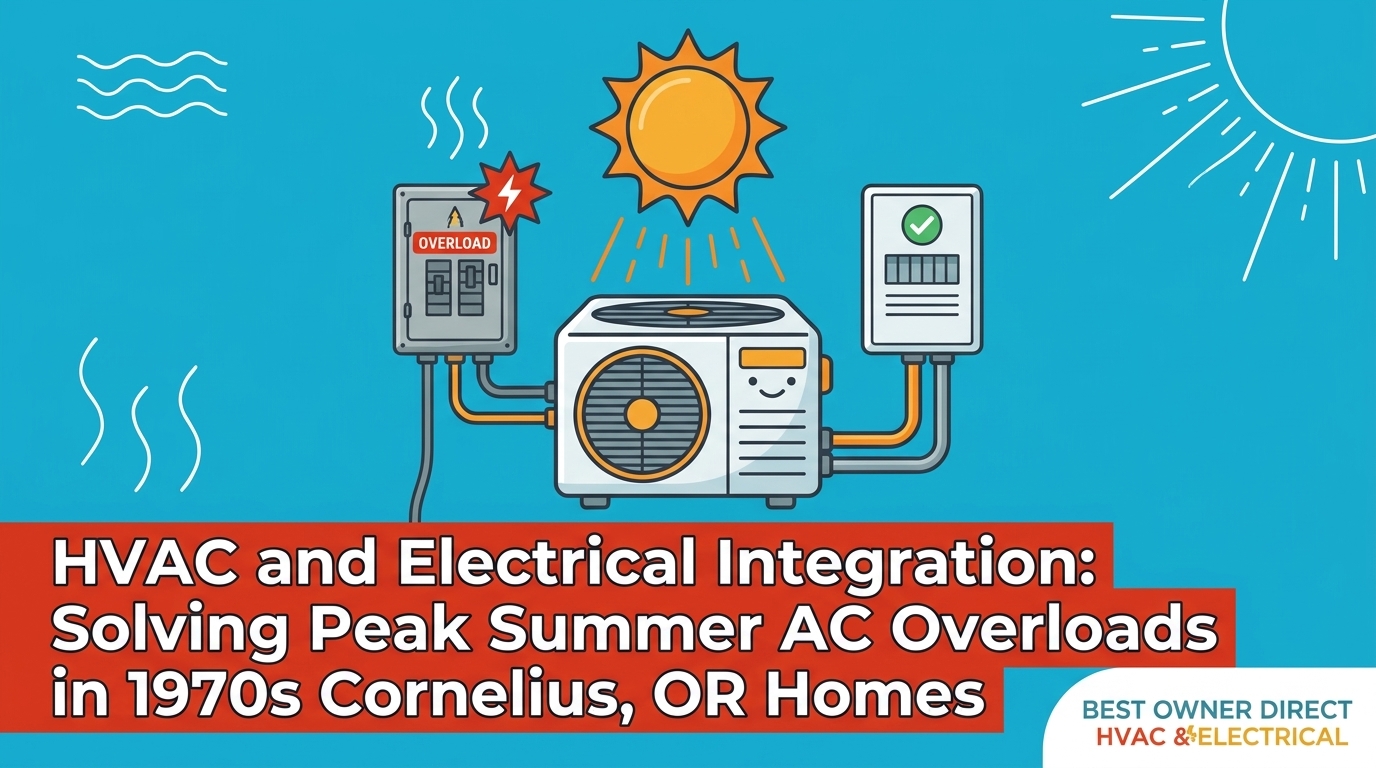
How Cornelius Homes Handle Peak Summer AC Loads on Older Electrical PanelsModern AC units often overwhelm aging 1970s electrical panels during intense summer heat. Review the warning signs and specific upgrades needed to keep your home safely cooled.
Read more

The Electrical Toll of a Struggling HVAC System on Your Home's BreakersAn aging air conditioner does not just lose cooling power; it actively stresses your electrical panel. A tripping breaker during late summer heat is a warning sign requiring professional diagnosis.
Read more
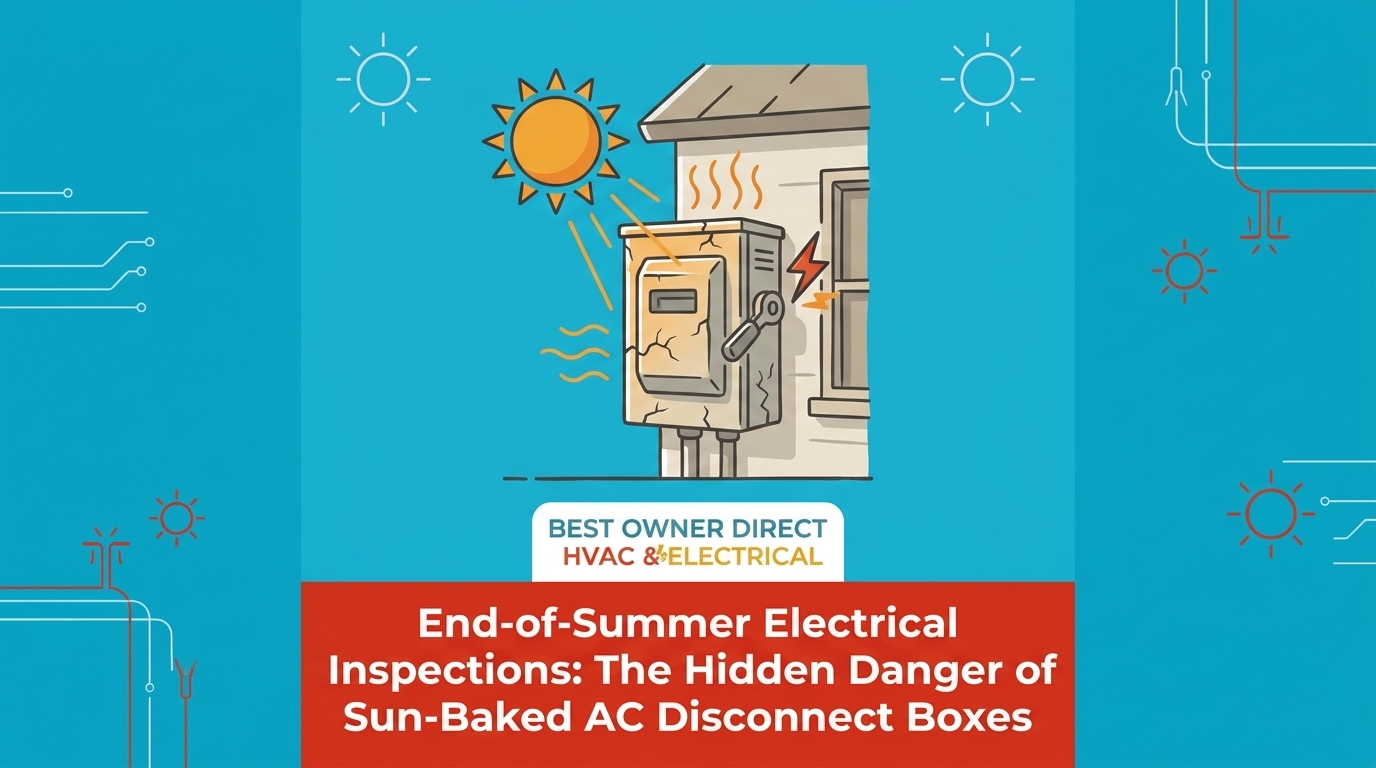
End-of-Summer Electrical Inspections: Checking Outdoor Disconnect BoxesAfter months of intense Pacific Northwest sun, your outdoor AC disconnect box can become brittle and unsafe. Learn the visual warning signs of UV degradation.
Read more