Menu


How a Heat Pump Heats Your Home in Pacific Northwest Winters — And Why It Works Better Than You Think
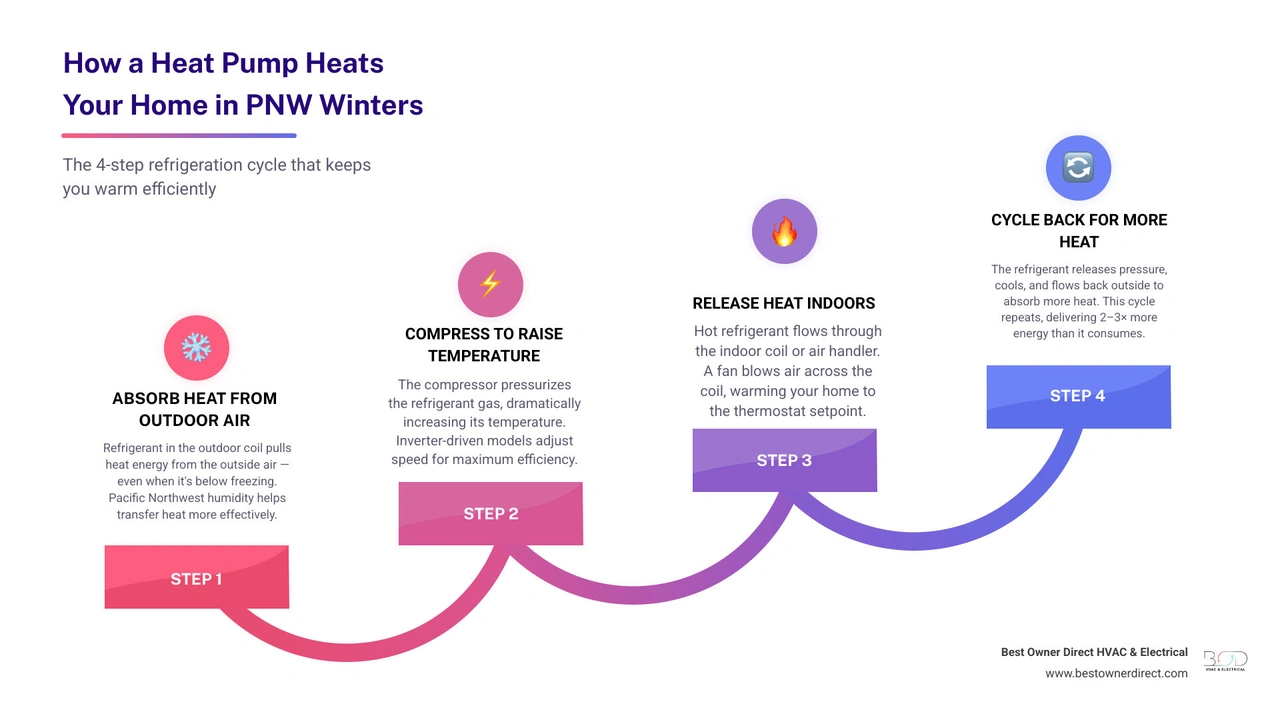
How a heat pump heats your home in Pacific Northwest winters is simpler than most people expect: instead of burning fuel to create heat, it pulls heat energy from the outdoor air — even when it feels freezing cold outside — and moves that heat indoors. Here's a quick summary:
- Refrigerant absorbs heat from the outdoor air, even at temperatures well below freezing.
- A compressor pressurizes the refrigerant, raising its temperature significantly.
- The heated refrigerant transfers warmth to your home's air through an indoor coil or air handler.
- The refrigerant releases its heat indoors, then cycles back outside to repeat the process.
- The result: efficient, consistent heat delivered at two to three times the energy efficiency of electric resistance heating.
The Pacific Northwest's Climate Zone 4C is actually one of the best climates in the country for heat pumps. Winters here are mild and wet, not brutally cold. Eugene, Oregon, for example, has a 99% winter design temperature of around 27°F — meaning outdoor temps rarely drop below that threshold. Modern heat pumps handle that range with ease, and many perform reliably well below 15°F.
Yet a lot of homeowners in the Portland metro and surrounding Oregon communities still have questions — and a lot of contractors aren't making it easier. Some quote eye-watering prices for advanced systems. Others push homeowners back toward gas furnaces out of habit. That leaves people wondering whether a heat pump can actually keep up with a PNW winter, which systems are worth the investment, and what they really need versus what they're being sold.
I'm Chandrine Stepisnik, and in this guide I'll walk you through exactly how these systems work, how to compare your options, and how to make a smart decision for your home — starting with the science behind the heating cycle itself.
Related content about how a heat pump heats your home in pacific northwest winters:
The Science of How a Heat Pump Heats Your Home in Pacific Northwest Winters
To understand how a heat pump extracts heat from freezing outdoor air, we have to look at the basic laws of thermodynamics. Cold air isn't actually devoid of heat; scientifically speaking, any air above absolute zero (-459.67°F) contains thermal energy. In the mild winters of the Pacific Northwest, even a 25°F day holds an abundance of heat energy waiting to be harvested.
The magic lies within the closed-loop refrigerant cycle. Inside the outdoor unit of a heat pump, a specialized chemical refrigerant circulates through copper coils. This refrigerant has an incredibly low boiling point.

Here is how the physical mechanism works step-by-step:
- The Expansion Valve: The liquid refrigerant passes through an expansion valve, which rapidly drops its pressure. As the pressure plummets, the temperature of the refrigerant drops far below the temperature of the outdoor air—often reaching sub-zero temperatures.
- Heat Extraction (Evaporation): Because heat naturally moves from a warmer area to a colder area, the "warm" 25°F outdoor air transfers its thermal energy to the freezing cold refrigerant as it passes through the outdoor coil. This causes the refrigerant to boil and turn into a low-pressure vapor.
- The Compressor: This low-pressure, slightly warmed vapor travels to the compressor. The compressor squeezes the refrigerant gas, forcing the molecules tightly together. Squeezing the gas concentrates the heat energy, raising both the pressure and the temperature of the refrigerant to well over 100°F.
- Heat Delivery (Condensation): The hot gas is pumped indoors to the air handler or wall unit. Indoor air is blown across these hot coils, absorbing the heat and warming your living spaces. As the refrigerant gives up its heat, it condenses back into a warm liquid.
- The Cycle Repeats: The liquid refrigerant travels back to the outdoor expansion valve to shed its pressure and temperature, ready to gather more outdoor heat.
This process is highly reversible. To see how this same system keeps you cool during our increasingly warm summers, check out our guide on How a Heat Pump Cools Your Home in Summer.
High Winter Humidity and Defrost Cycles
One unique challenge of heating in Climate Zone 4C is our high winter humidity. When outdoor temperatures hover between 32°F and 40°F and the air is saturated with moisture, frost naturally accumulates on the outdoor coil.
To prevent ice from blocking airflow and reducing efficiency, modern heat pumps feature an automatic defrost cycle. The system temporarily reverses itself into cooling mode for a few minutes, sending warm refrigerant to the outdoor coil to melt the ice. To prevent blowing cold air into your home during this brief cycle, the system typically engages its backup heating elements or modulates indoor fan speeds.
Understanding this cycle helps homeowners realize why a heat pump is incredibly resilient in damp, chilly conditions. You can read more about these regional advantages in our article on Heat Pump Benefits for Pacific Northwest Homeowners.
Comparing System Types: Central Ducted vs. Ductless Mini-Splits
When planning a heat pump upgrade, homeowners generally choose between two primary equipment styles: traditional central ducted systems or ductless mini-splits. Both use the same basic refrigeration cycle, but they distribute air differently and offer distinct performance characteristics.
| Feature | Central Ducted Heat Pump | Ductless Mini-Split System |
|---|---|---|
| Air Distribution | Existing ductwork and registers | Individual wall, floor, or ceiling heads |
| Zoning Capability | Single zone (unless using complex dampers) | Multi-zone (independent control per room) |
| Aesthetic Impact | Hidden behind walls; traditional registers | Visible indoor heads mounted on walls |
| Typical HSPF Range | 8.5 to 9.5 | 9.5 to 11.0+ (up to 13.5 for 1:1 units) |
| Compressor Type | Single, two-stage, or variable-speed | Inverter-driven variable-speed |
| Best For | Homes with existing, high-quality ducts | Homes without ducts or with zoned heating needs |
If you are considering installing a new system in a home with existing ductwork, a central ducted system is often the most straightforward approach. However, if your existing ducts are leaky, uninsulated, or located in hard-to-reach crawlspaces, ductless mini-splits offer an incredibly efficient alternative.
For homeowners in Hillsboro, you can learn more about local installation options at Heat Pump Installation Hillsboro OR. If you have an existing system that isn't keeping up with the winter chill, our repair team is ready to help at Heat Pump Repair Beaverton OR.
Standard vs. Cold-Climate Performance: How a Heat Pump Heats Your Home in Pacific Northwest Winters Below Freezing
A common misconception is that standard heat pumps stop working when temperatures drop below freezing, requiring a specialized "cold-climate" or "hyper-heat" model to stay warm. While cold-climate models (like Mitsubishi Hyper-Heat) are engineered to maintain 100% heating capacity down to 5°F or lower, standard variable-speed heat pumps are remarkably capable in Climate Zone 4C.
In our relatively mild marine climate, temperatures rarely drop below 20°F. Standard, non-cold-climate variable-speed heat pumps maintain substantial heating capacity and run highly efficiently at these temperatures.
For example, a standard 4-ton (48,000 BTU) heat pump operating in the Pacific Northwest can still deliver around 30,500 BTUs of heat at an outdoor temperature of 25°F while maintaining a Coefficient of Performance (COP) of 2.77. This means that even at temperatures below freezing, the system is still 277% efficient—nearly three times more efficient than electric baseboard heaters or wall heaters.
Furthermore, real-world performance data shows that a standard central heat pump with a modest 8.5 HSPF can keep a 2,400-square-foot home comfortably warm at 70°F down to an outdoor temperature of 15°F without needing any auxiliary heat. Some modern standard heat pumps, such as those manufactured by Rheem, can continue heating a home down to 6°F with the backup electric resistance strips completely locked out.
While cold-climate heat pumps are fantastic for regions with harsh, sustained sub-zero winters (like the Rocky Mountains or the Northeast), they are often an unnecessary premium for the mild Willamette Valley. A standard variable-speed heat pump is more than capable of keeping your home cozy through our coldest winter nights.
Efficiency Metrics: How a Heat Pump Heats Your Home in Pacific Northwest Winters Cost-Effectively
To understand how a heat pump keeps your utility bills manageable during the winter, it helps to understand two key efficiency metrics: COP and HSPF.
- Coefficient of Performance (COP): This is an instantaneous measurement of efficiency. It represents the ratio of heat energy delivered to the electrical energy consumed. A COP of 1.0 means that 100% of the electricity is converted directly into heat (this is the efficiency of standard electric resistance strip heaters or plug-in space heaters). A COP of 3.0 means the system delivers three units of heat energy for every single unit of electrical energy it consumes. Modern standard heat pumps in our region easily achieve a seasonal average COP of about 3.25.
- Heating Seasonal Performance Factor (HSPF): This is a seasonal rating that measures the total heating output of a heat pump over the entire winter season divided by the total electrical energy consumed. In the Pacific Northwest, central ducted heat pumps typically feature HSPF ratings between 8.5 and 9.5. Ductless mini-split systems are even more efficient, frequently achieving HSPF ratings of 9.5 to 11.0 (and up to 13.5 for single-zone, one-to-one indoor/outdoor configurations).
Because electricity rates in the Pacific Northwest are relatively low compared to other parts of the country, running a system with a high seasonal COP keeps heating costs remarkably low. Instead of paying for expensive fuel deliveries or high natural gas rates, a heat pump leverages the ambient outdoor air to multiply your heating power.
Retrofitting a PNW Home: Sizing, Ductwork, and Backup Heat
Retrofitting an older home—such as a classic 1950s ranch home—presents unique HVAC challenges. Many of these homes feature original ductwork routed through uninsulated crawlspaces or drafty attics. If you are planning a retrofit, the physical condition and location of your existing ductwork should play a major role in your system choice.
If your existing ductwork is in good structural shape, a central ducted heat pump is a natural fit. However, if the ducts are leaky or undersized, installing a traditional central system can lead to significant energy loss. In these scenarios, homeowners often choose between:
- Ductless Mini-Splits: Completely bypassing the old ductwork by mounting individual heating heads in the main living areas.
- Slim-Duct Mini-Splits: Using compact, localized duct runs. These advanced air handlers are incredibly versatile; they can even be installed vertically in tight utility closets to replace an old vertical gas furnace without taking up valuable floor space.
If your home is ready for a system upgrade, our team can help you select the ideal configuration. Learn more about replacement options at Heat Pump Replacement Portland OR, or schedule a system evaluation at Heat Pump Maintenance Oregon City OR.
Do You Need Backup Heat in Climate Zone 4C?
A common question among local homeowners is whether they need a backup heating source—such as electric resistance strips built into the air handler or an existing gas furnace (a "dual-fuel" or hybrid system).
In Climate Zone 4C, the short answer is: it depends on your system's sizing and your comfort preferences, but a backup source is rarely needed for daily operation.
Because our local 99% winter design temperature is approximately 27°F, a properly sized modern heat pump can easily handle the entire heating load on its own. However, having a small auxiliary electric resistance heater (often called "heat strips") installed inside your air handler is a smart safety measure. These strips serve two main purposes:
- Defrost Cycle Comfort: They provide a quick burst of heat during the system's brief defrost cycles to ensure no cool air drafts into your home.
- Emergency Backup: In the rare event of an extreme cold snap (such as an unusual ice storm dropping temperatures into the single digits), the auxiliary heat strips can supplement the heat pump to keep your home perfectly warm.
The key to keeping utility bills low is ensuring your thermostat is configured to stage the backup heat properly. The electric resistance strips should be locked out unless the outdoor temperature drops below a specific threshold (such as 15°F) and the heat pump compressor can no longer meet the heating demand on its own.
Calculating Heat Load and Sizing Your System
To ensure your heat pump performs flawlessly in the dead of winter, it must be sized correctly. An oversized system will cycle on and off too quickly, leading to uneven temperatures and premature equipment wear. An undersized system will struggle to keep up, forcing your auxiliary heat strips to run more often than they should.
The industry standard for sizing heating and cooling systems is a Manual J load calculation. This calculation evaluates several critical factors, including:
- The local winter design temperature.
- The square footage and layout of your home.
- The insulation values of your walls, attic, and crawlspace.
- The type and surface area of your windows.
- Air infiltration rates (how drafty the home is).
Interestingly, you can also estimate your home's heat load using past winter energy bills. For example, a homeowner in Eugene, Oregon, analyzed their winter energy usage during a cold January and calculated their home's actual heat load to be approximately 20,000 BTU/hr.
By comparing this heat load to the Northeast Energy Efficiency Partnerships (NEEP) Air Source Heat Pump database, they discovered that a standard mini-split system sized to meet its rated capacity at 17°F (well below the local design temperature) would keep the home perfectly warm without needing any auxiliary heat or backup gas.
Frequently Asked Questions about PNW Heat Pump Heating
Why do some central heat pumps lose efficiency below freezing while mini-splits maintain it?
The difference lies primarily in compressor technology. Traditional central heat pumps often use single-stage or two-stage compressors that run at fixed speeds. When outdoor temperatures drop, these systems cannot speed up to extract more heat; instead, they must rely on auxiliary electric heat strips.
In contrast, almost all ductless and ducted mini-splits utilize inverter-driven, variable-speed compressors. These advanced compressors can continuously modulate their speed up or down in tiny increments. When the outdoor temperature drops, the inverter compressor simply speeds up to draw more heat from the cold air, maintaining high efficiency and heating capacity down to much lower temperatures.
Why are ducted mini-split systems often more expensive than traditional central systems?
While ducted mini-splits use similar variable-speed technology to ductless systems, they often carry a higher upfront installation cost. There are a few reasons for this:
- Advanced Control Systems: Ducted mini-splits require sophisticated electronic expansion valves and communication controls to manage airflow and refrigerant distribution precisely.
- Static Pressure Constraints: Slim-duct mini-split air handlers operate at lower static pressures than traditional central furnaces. Properly designing and balancing the ductwork to handle this lower pressure requires meticulous engineering.
- Contractor Unfamiliarity: Some HVAC installers are less familiar with configuring ducted mini-split systems. Because they prefer installing traditional gas furnaces or standard single-stage heat pumps, they may apply an "unfamiliarity premium" to their quotes. Working with a highly trained team ensures you get a fair, expertly designed installation.
How does high winter humidity in the PNW affect heat pump performance?
As mentioned earlier, our damp, humid winter air increases the rate of frost accumulation on the outdoor unit's coils. This makes the defrost cycle a regular part of winter operation.
While the defrost cycle is completely normal, excessive frost or ice buildup can occur if the system isn't draining properly. When the ice melts during a defrost cycle, the water must flow away from the unit. If the drain holes in the bottom pan of the outdoor unit are clogged with leaves or dirt, the water can re-freeze, eventually encasing the coil in solid ice.
Regular professional maintenance is crucial to keeping your system running smoothly through wet Oregon winters. To keep your system in peak condition, follow our Heat Pump Tune-Up and Maintenance Guide.
Conclusion
A modern heat pump is one of the smartest, most efficient heating solutions available for homes in the Pacific Northwest. By understanding the science of heat transfer and selecting a system tailored to your home's specific layout and ductwork, you can enjoy consistent, cozy warmth all winter long while keeping your energy bills low.
At Best Owner Direct HVAC & Electrical, we are dedicated to providing clear, practical guidance and expert installation services across our Oregon service communities—from Cornelius and Hillsboro to Portland, Beaverton, Oregon City, and beyond. Whether you are looking to retrofit a classic mid-century home or maintain your existing system, our licensed technicians are here to help.
Ready to explore your heating options? Visit our Heat Pump Installation and Service page to connect with our friendly team and schedule your home comfort consultation today!


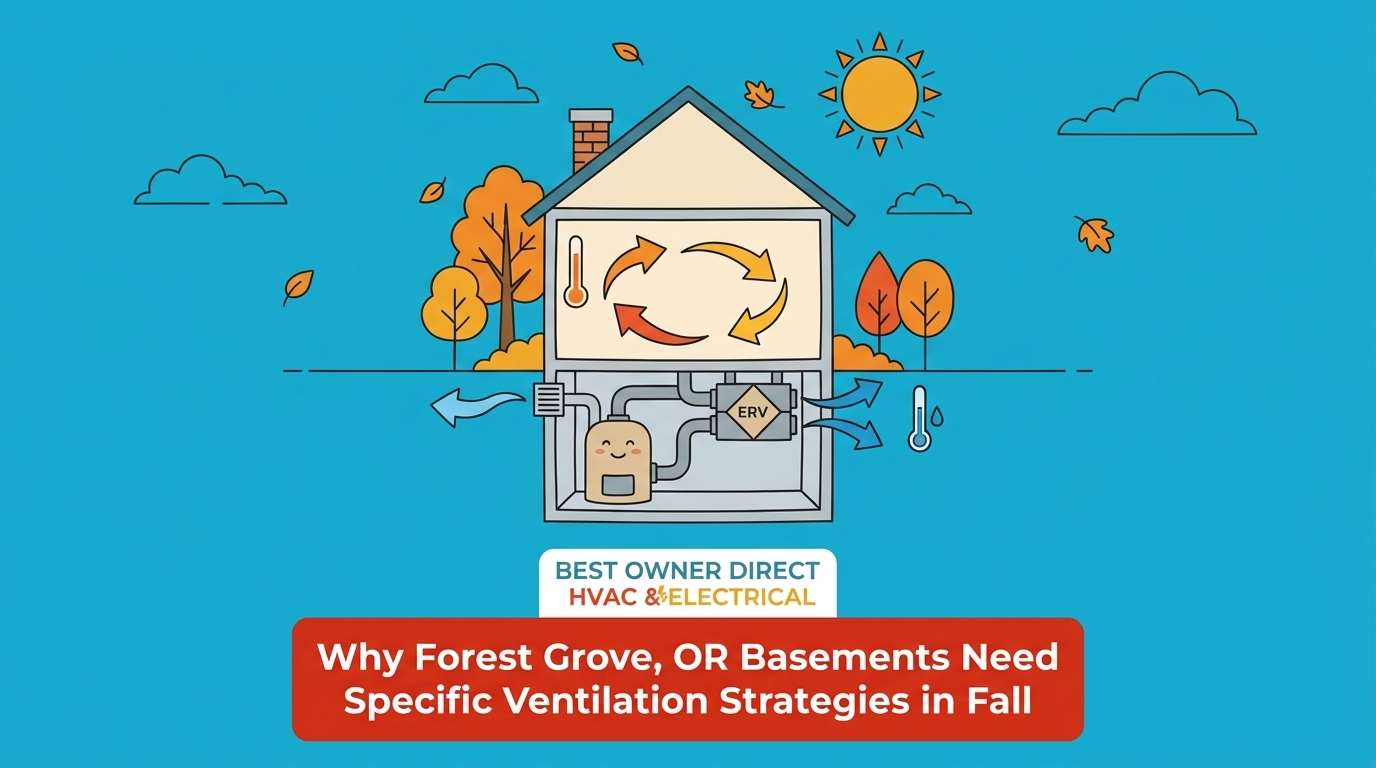
Why Forest Grove Basements Need Specific Ventilation Strategies in FallAs September rains raise local water tables, your subterranean spaces can quickly become damp and musty. Find out if your home needs dedicated HVAC return air.
Read more
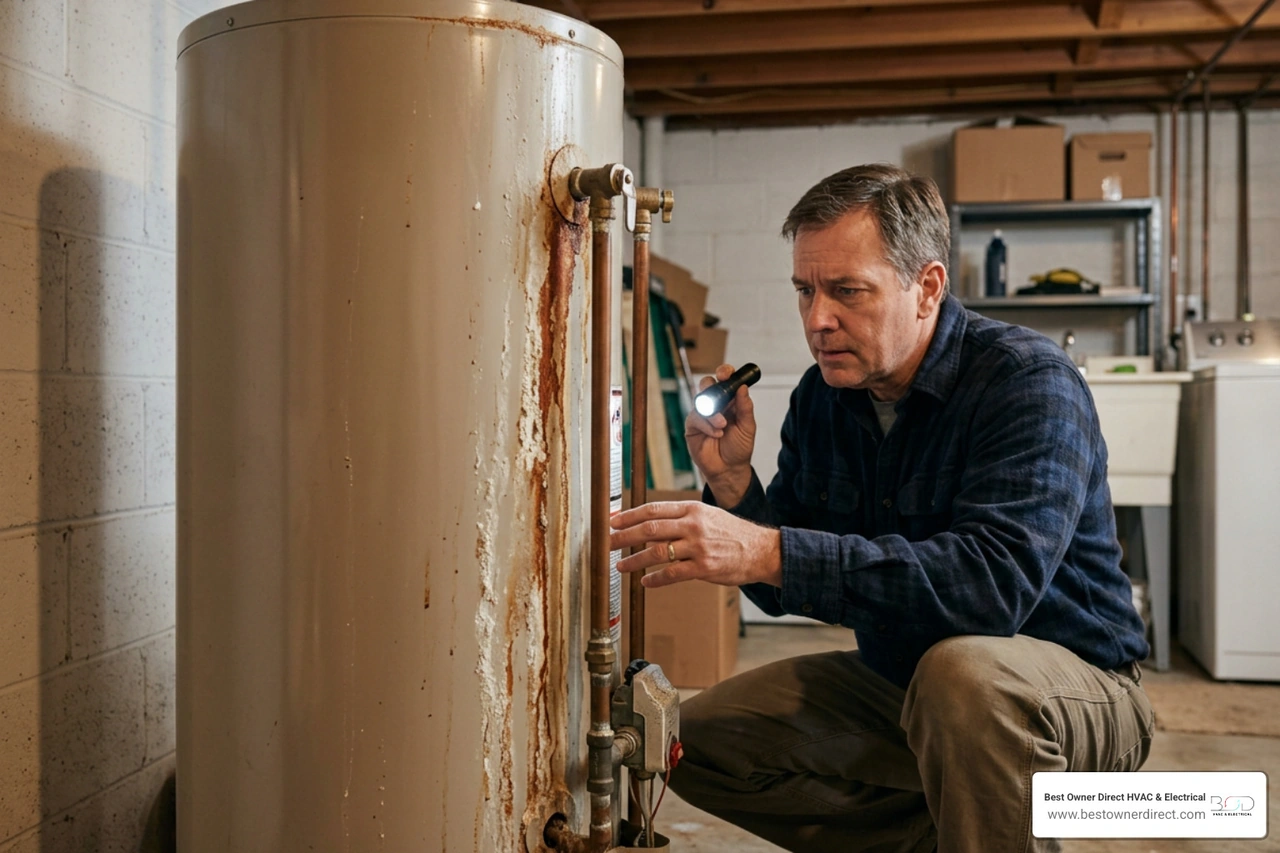
How to Identify Water Conditions Harming Your Water Heater in 5 Simple StepsLearn how water conditions affect your water heater faster. Discover 5 simple steps to identify damage from hard water, acidity, and scale buildup.
Read more
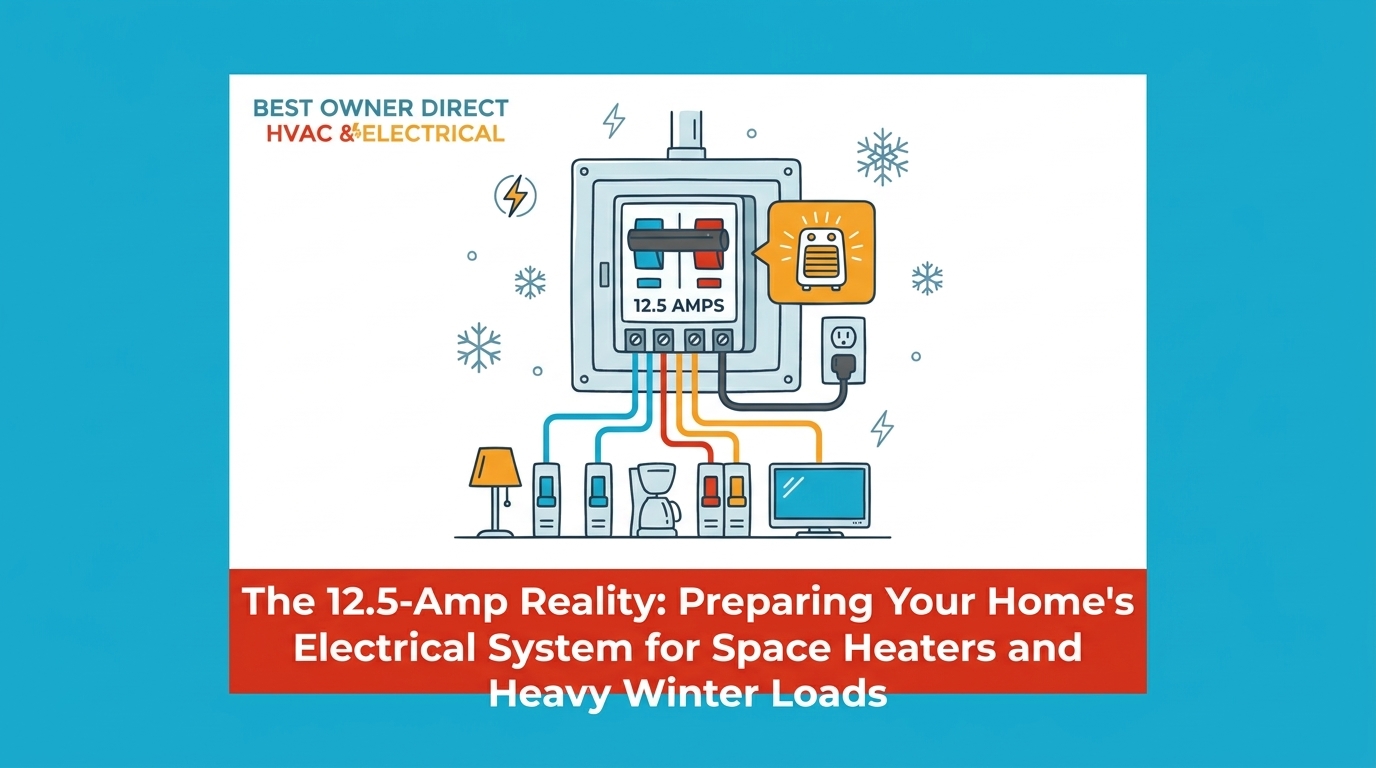
Preparing Your Home's Electrical System for Space Heaters and Heavy Winter LoadsA standard 1500W space heater consumes nearly 80% of an older bedroom circuit's capacity instantly. Find out why resetting that tripped breaker is a hidden fire hazard.
Read more