Menu


Why Knowing How Ductwork Is Evaluated During AC Replacement Can Save You Real Money
How ductwork is evaluated during ac replacement is one of the most important — and most overlooked — parts of any cooling system upgrade in Cornelius, OR and the surrounding Portland metro area.
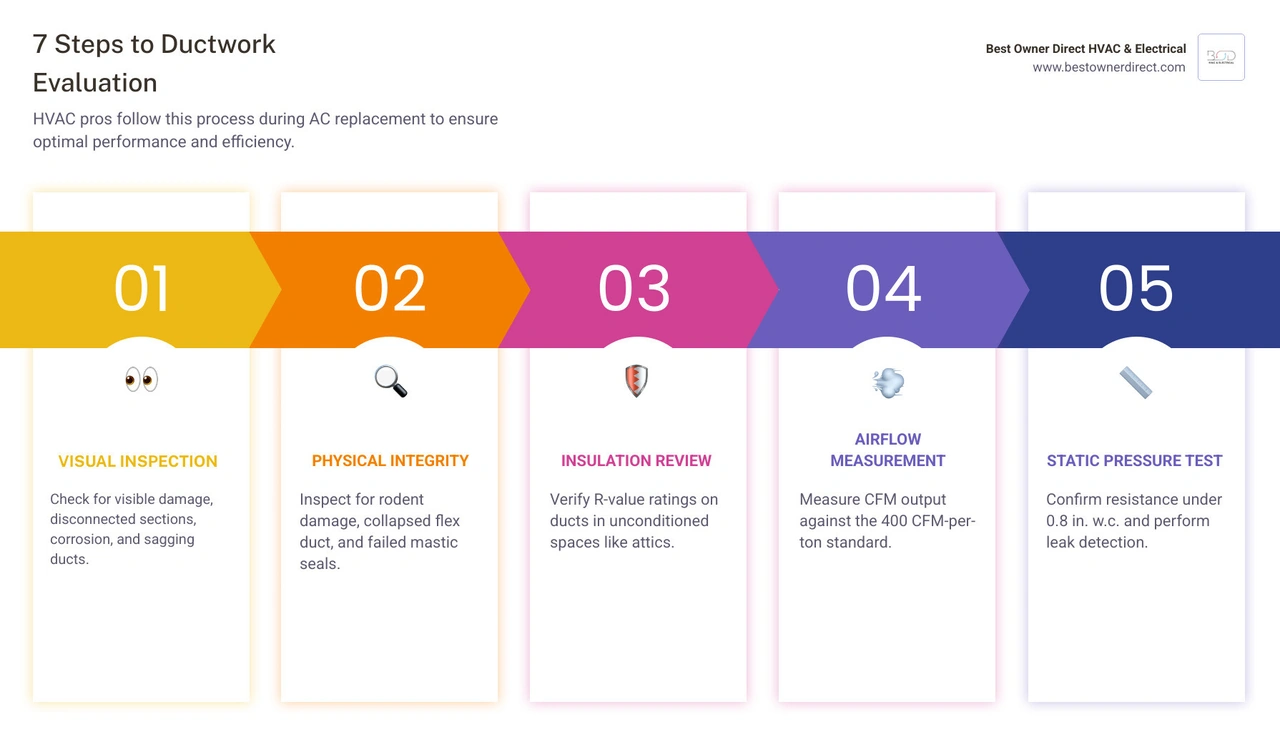
Here is a quick overview of the steps HVAC pros use to evaluate your ducts:
- Visual inspection - Check for visible damage, disconnected sections, corrosion, and sagging
- Physical integrity check - Look for rodent damage, collapsed flex duct, and failed mastic seals
- Insulation review - Verify R-value ratings on ducts in unconditioned spaces like attics
- Airflow measurement - Measure CFM (cubic feet per minute) output against the 400 CFM-per-ton standard
- Static pressure testing - Confirm airflow resistance is within safe operating limits (under 0.8 in. w.c.)
- Duct sizing check - Compare duct diameters to Manual D calculations for the new unit's capacity
- Leak detection - Pressurize the system to find and measure air escaping at joints and seams
Most homeowners focus entirely on the new AC unit — its efficiency rating, its size, its features. That is a natural instinct. But a new air conditioner is only as good as the duct system delivering its output to every room in your home. Think of ducts as the road network for your cooled air. A brand-new, high-efficiency AC paired with leaky, undersized, or deteriorating ducts is a bit like buying a high-end TV and watching it through cracked, scratched glasses — you are not getting the experience you paid for.
According to industry data, quality ductwork can improve HVAC efficiency by 20% to 30%. And duct systems older than 15 to 20 years are frequently found to be failing, undersized for modern equipment, or leaking conditioned air into unconditioned spaces like attics and crawlspaces. With the tighter airflow requirements of today's high-efficiency systems, an outdated duct layout can actively undermine a new unit from day one.
The good news is that a thorough professional evaluation — done right at the time of replacement — catches these problems before they cost you in comfort, utility bills, or premature equipment failure.
Why a Professional Ductwork Inspection is Critical
When we visit a home in Hillsboro or Beaverton to discuss an upgrade, we often explain that the AC unit and the ductwork are two halves of a single machine. If you ignore the ducts, you are only doing half the job. A professional inspection is critical because modern air conditioners are significantly more sensitive to airflow than the "clunkers" of twenty years ago.
Modern systems must meet strict SEER2 (Seasonal Energy Efficiency Ratio 2) standards. These units are designed to move a very specific volume of air to achieve their advertised efficiency. If your ducts are restricted or leaking, the system experiences operational strain. This is essentially "clogging" the system’s arteries. This strain forces the blower motor to work harder, which can lead to a shortened system lifespan and higher energy bills.
By understanding when to replace your air conditioner, you can time your duct evaluation perfectly. Replacing the unit while leaving failing ducts in place is a recipe for frustration. You might find that your brand-new system runs constantly but never quite reaches the temperature on the thermostat. Addressing ductwork during replacement ensures that the 2026 energy standards are actually met in your home, not just on the manufacturer's spec sheet.

How Ductwork is Evaluated During AC Replacement: The Step-by-Step Process
When our technicians arrive at your home in Portland or Tigard, we don't just glance at the vents. We perform a systematic deep dive. The goal is to ensure that the "delivery network" is ready for the high-performance equipment we are about to install.
We start by looking at the big picture: the layout. We check the supply plenum (the box that connects to the AC unit) and the branch lines that feed each room. We look for the "octopus layout" where flex ducts are tangled or draped over attic joists, which creates unnecessary resistance. We also look for vapor barriers that have degraded. In our humid Pacific Northwest climate, a torn vapor barrier can lead to condensation and, eventually, mold.
Knowing how to know if your air ducts are leaking is a great first step for homeowners, but our pro-level check involves measuring the insulation R-values. In unconditioned spaces like attics, we look for at least R-8 insulation. Anything less, and you’re losing cooling capacity before the air even reaches your living room. This is a standard part of our AC replacement in Portland, OR services.
How ductwork is evaluated during ac replacement for physical integrity
Physical integrity is about more than just holes. We look for:
- Corrosion and Rust: Especially in older metal ducts found in crawlspaces in Oregon City or Gladstone.
- Rodent Damage: Mice and rats love to nest in duct insulation, often chewing through the flexible inner liner.
- Disconnected Sections: It’s surprisingly common to find a duct that has completely slipped off its boot, cooling your attic instead of your bedroom.
- Mastic Seal Quality: We check if the joints were sealed with professional-grade mastic or if someone used "duct tape" (which, ironically, is terrible for ducts and fails after a few years of temperature changes).
- Support Strapping: Ducts that sag or are pinched by tight straps create "choke points" that kill airflow.
Identifying common signs of ductwork failure or inefficiency
You might already have clues that your ducts are struggling. Common red flags include:
- Uneven Temperatures: One room is an ice box while another is a sauna.
- Excessive Dust: If you clean your house and a layer of dust returns within two days, your return ducts might be pulling in attic or crawlspace air.
- Whistling Noises: This often means your ducts are too small for the volume of air the blower is trying to push through them.
- High Utility Bills: If your bills stay high despite mild weather, your ducts are likely leaking 20% or more of your conditioned air.
- Age-Related Deterioration: If your home was built in the 1990s and the ducts haven't been touched, they are likely at the end of their 20-to-30-year functional lifespan.
Technical Metrics: Determining Compatibility with Modern Airflow
This is where the "science" of HVAC comes in. When we discuss how ductwork is evaluated during ac replacement, we have to talk about numbers. We use specialized tools like manometers to measure static pressure—think of this as "blood pressure" for your HVAC system.
If the static pressure is too high (anything over 0.8 inches of water column), it means the ducts are "choking" the equipment. This is a major factor in what to consider when you’re getting an HVAC quote. A contractor who doesn't measure static pressure is just guessing. We also use Manual D calculations, which is the industry standard for sizing ducts. We measure the square footage of your rooms and the capacity of the new unit to ensure they match perfectly.
How ductwork is evaluated during ac replacement for airflow capacity
The industry standard is 400 CFM (Cubic Feet per Minute) per ton of cooling. So, if you are installing a 3.5-ton system in a Forest Grove home, your ducts need to handle 1,400 CFM.
- The "Sizing Gap": We often see 16-inch return ducts that can only handle about 1,050 CFM. If you hook that up to a 3.5-ton unit, the system will struggle, freeze up, or fail prematurely.
- Velocity Limits: Air moving too fast through small ducts creates that annoying "wind tunnel" noise.
- Supply Branch Balancing: We ensure each branch line is sized correctly so that the air is distributed evenly, rather than all of it dumping into the rooms closest to the unit.
The role of static pressure and Manual D in system health
Manual D is essentially the blueprint for your air's journey. It accounts for every turn, every register, and every foot of ducting. High static pressure is the #1 killer of expensive blower motors. By performing these calculations during a replacement, we can identify "bottlenecks"—like a trunk line that is too narrow—and fix them before the new unit is installed. This protects your investment and ensures you actually get the comfort you’re paying for.
Deciding Between Duct Sealing, Repair, or Full Replacement
Not every AC replacement requires a total duct overhaul. Sometimes, a "tune-up" for your ducts is all that's needed. We look at the age and material of your system to make the call.
| Feature | Duct Sealing | Full Replacement |
|---|---|---|
| Typical Cost | Lower | Higher |
| Best For | Newer ducts with minor leaks | 20+ year old ducts or undersized layouts |
| IAQ Impact | Moderate improvement | Maximum improvement |
| Lifespan | Extends current life | Resets clock for 25+ years |
| Efficiency Gain | 10% - 15% | 20% - 30% |
If your ducts are made of rigid sheet metal and are in good shape, we might recommend professional sealing. However, if you have old, grey-plastic flex duct from the 80s or 90s, replacement is almost always the better value. You can learn more about these choices in our duct sealing vs. duct cleaning comparison.
When to choose replacement over simple repairs
Sometimes, a repair is just a "bandage on a gaping wound." We recommend full replacement if:
- Material Fatigue: The plastic lining of flex ducts is brittle and flaking away.
- Undersized Infrastructure: You are upgrading to a larger AC unit or a heat pump that requires more airflow than your current tiny ducts can provide.
- Asbestos Concerns: Some older homes in Portland or Milwaukie have "white tape" on duct joints that contains asbestos. In these cases, safe abatement and replacement are necessary.
- Major Renovations: If you're tearing out walls anyway, it’s the perfect time to fix a poor duct layout.
- Contamination: If there has been a major rodent infestation or mold growth inside the ducts, cleaning might not be enough.
For residents in certain areas, we offer specialized duct sealing in Beaverton, OR to help bridge the gap if the ducts are still structurally sound. To help you decide, check out our guide on do I need duct sealing or duct cleaning or both?.
Long-term benefits of addressing ducts during an AC upgrade
Addressing your ducts at the same time as your AC upgrade is the most cost-effective move you can make. You save on labor because the technicians are already there, and you ensure the system works as a cohesive unit.
- Reduced Carbon Footprint: Less wasted air means less energy used.
- Consistent Comfort: No more "hot spots" in the master bedroom.
- Lower Maintenance: Sealed ducts keep dust out of your new AC's coils, preventing breakdowns.
- Optimized ROI: You get the full efficiency you paid for with that high-SEER unit.
- Enhanced Home Value: A certified, high-performance HVAC system is a major selling point in the Portland metro real estate market.
Frequently Asked Questions and Conclusion
We know that ductwork isn't the most "exciting" part of a home renovation, but it is the foundation of your home's comfort. At Best Owner Direct HVAC & Electrical, we pride ourselves on being transparent and thorough. We serve everyone from Banks to Wilsonville, and our Cornelius headquarters is always ready to send a licensed technician to evaluate your home.
How long does a professional duct evaluation take?
A thorough evaluation usually takes about 45 to 90 minutes. This includes a visual crawl through the attic or crawlspace, static pressure testing, and calculating the airflow needs of your new system. It’s a small investment of time that prevents years of high energy bills.
Can I keep my old ducts if I buy a high-efficiency AC?
In many cases, yes—but only if they are sized correctly and sealed well. However, modern high-efficiency units (especially heat pumps) often require 30% to 40% more airflow than older gas furnaces. If your old ducts "choke" that airflow, your high-efficiency unit will actually run less efficiently than a cheaper model.
What is the most common duct issue found during replacement?
Undersized return air ducts are the #1 problem we see. Most builders in the past installed the bare minimum. When you upgrade to a modern blower motor, it needs more "breath" on the return side. If it can't get enough air, it creates a vacuum effect that causes noise and strains the motor.
Conclusion
Your home's comfort depends on a delicate balance between the machine that cools the air and the network that delivers it. By understanding how ductwork is evaluated during ac replacement, you can make an informed decision that protects your wallet and your family's comfort.
Best Owner Direct HVAC & Electrical is a family-owned business. We live in these communities—from Tualatin to Sherwood—and we treat your home like our own. We don't believe in "guessing" when it comes to your HVAC system. We use data, Manual D calculations, and years of local expertise to ensure your replacement is a success.
If you’re ready to see how your home’s delivery network is holding up, we’re here to help. Whether you need a simple seal or a full system redesign, we’ll give you the straight talk you deserve. For homeowners ready to take the next step, check out our options for AC replacement in North Plains, OR and let’s get your home feeling exactly the way it should.


Why August Is the Best Time to Plan a Furnace ReplacementAvoid the September supply chain bottleneck by upgrading your aging heating system now. Booking early secures the best equipment and an installation date that fits your busy schedule.
Read more
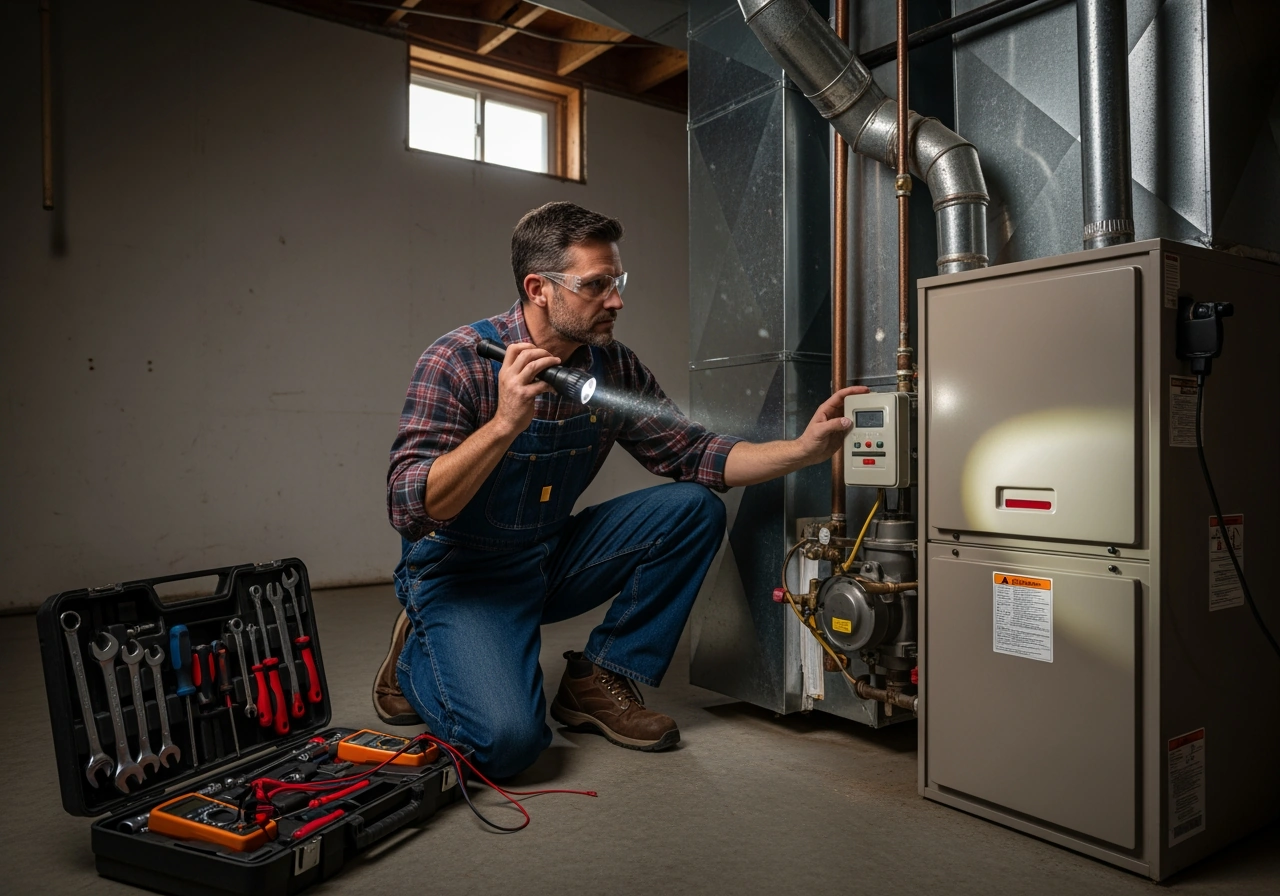
A Practical Guide to Ductless Mini Split Value in OregonIs a ductless mini split worth the investment in Oregon? Discover zoned comfort, energy savings, and incentives for older homes.
Read more

Direct-to-Owner HVAC Services vs. Large Franchises for AccountabilityWhen an AC breaks down in late summer, the technician's accountability is critical. See how an owner-operated business compares to a massive corporate dispatch fleet.
Read more