Menu


Understanding Ductless Heating and Cooling for Pacific Northwest Homes
When we talk about ductless heating and cooling for pacific northwest homes, we are describing a sophisticated system designed to move heat rather than create it. Unlike a traditional furnace that burns gas or uses electric coils to generate warmth, a ductless heat pump acts like a heat transporter.
The system consists of two primary parts: an outdoor condenser unit and one or more indoor air handlers. These are connected by a small conduit containing refrigerant lines and electrical wiring. This setup eliminates the need for bulky metal ductwork, which is a major win for energy efficiency. According to ENERGY STAR, improperly installed ducted systems can lose 30% or more of their effectiveness due to leaks in the ducts. By going ductless, you bypass that waste entirely.
One of the “secret sauces” of modern systems is inverter technology. Think of a traditional HVAC system like a car that only has two speeds: stopped and flooring it. It turns on at full blast, hits the temperature, and shuts off. A ductless system with an inverter is more like a Prius on cruise control; it ramps up or down to maintain a steady temperature, using only the exact amount of energy needed. For more details on the basics, you can check out Ductless Mini-Split Systems Explained.
How Ductless Heating and Cooling for Pacific Northwest Homes Works in Winter
A common myth we hear in Oregon is that heat pumps don’t work when it gets truly cold. While that might have been true twenty years ago, today’s technology is built for the “cold climate” designation.
In the winter, the system extracts heat from the outdoor air—even when it feels freezing to us—and moves it inside. A specialized reversing valve allows the refrigerant to change direction, switching the unit from cooling mode to heating mode. Modern units are incredibly resilient; many cold-climate models maintain 100% of their heating capacity at 5°F and can continue operating effectively down to -13°F. This makes them a reliable primary heat source for homes in the Willamette Valley and even higher elevations. To learn more about staying cozy, see our guide on how to Keep Your Home Warm with a Ductless System.
Year-Round Comfort and Ductless Heating and Cooling for Pacific Northwest Homes
The beauty of ductless heating and cooling for pacific northwest homes is that it is a true four-season solution. During our increasingly humid summer days, these units don’t just cool the air; they act as powerful dehumidifiers.
When shopping for a system, you’ll see ratings like SEER2 (for cooling efficiency) and HSPF2 (for heating efficiency). In our region, we typically recommend systems with SEER ratings of 18 or higher. Some premium models even reach over 30 SEER, providing world-class efficiency. Because the compressors are variable-speed, they provide a constant, comfortable temperature without the “swing” or noise associated with old-fashioned air conditioners. For a deeper dive into the mechanics, read What is a Mini-Split Unit.
Major Benefits of Switching to a Ductless System in Oregon
Why are so many of your neighbors in Beaverton, Hillsboro, and Lake Oswego making the switch? The benefits go far beyond just lower utility bills.

• Massive Energy Savings: Ductless heat pumps can reduce electricity usage for heating by up to 50%. A study by PNNL Lab Homes found that using a ductless mini-split as a primary heat source can realize a maximum of 40% energy savings compared to central systems.
• Zone Control: This is a game-changer. Why pay to heat the guest room and the basement when you’re only using the living room and the kitchen? Ductless systems allow you to set different temperatures for different “zones,” ensuring comfort where you are and savings where you aren’t.
• Whisper-Quiet Operation: Many indoor units operate at sound levels as low as 19 to 21 decibels. To put that in perspective, a quiet library is usually around 30 decibels. You’ll likely forget the unit is even running.
• Improved Air Quality: Traditional ducts are notorious for collecting dust, allergens, and even mold. Ductless units feature multi-stage, washable filters that are easy to maintain and keep your indoor air much cleaner. For a side-by-side look at how this compares to traditional AC, see Central AC vs Ductless Mini-Split Comparison.
Ideal Solutions for Homes Without Existing Ductwork
Many of the beautiful older Craftsman homes in Portland or bungalows in Oregon City were built long before air conditioning was a thought. Installing traditional ductwork in these homes often requires “boxing in” corners or lowering ceilings, which ruins the architectural charm.
Ductless heating and cooling for pacific northwest homes is the perfect workaround. We only need to drill a small, four-inch hole in an exterior wall to connect the units. This makes it the ideal choice for:
• Older Homes: Preserving the original structure while adding modern comfort.
• Home Additions: No need to stress your existing HVAC system to cover a new room.
• ADUs and Garages: Perfect for detached dwelling units or workshops.
• Upper Floors: Solving the “it’s always too hot upstairs” problem.
You can explore these specific applications further in our articles on Ductless Heating and Cooling for Homes Without Ductwork and Central Air vs Mini-Split for Older Homes.
Advanced Air Purification and Smart Integration
In 2026, a ductless system is more than just a heater; it’s a smart home appliance. Many units now feature advanced technology like Panasonic’s Nanoe™ X, which uses hydroxyl radicals to inhibit pollutants, odors, and allergens on both surfaces and in the air.
Furthermore, these systems are built for the modern Oregonian. With built-in Wi-Fi and proprietary apps, you can turn on the AC while you’re driving home from a hike at Forest Park so your house is cool the moment you walk in. They also integrate seamlessly with Amazon Alexa and Google Home for voice-controlled comfort. Learn how to get connected with our guide on How to Make Your Mini-Split Smart with a Thermostat.
Choosing the Right Configuration for Your PNW Property
Choosing a system isn’t just about picking a brand; it’s about matching the equipment to the specific “heat gain” of your room. We perform detailed calculations considering your windows, insulation, and square footage to ensure you get the right BTU (British Thermal Unit) capacity.
• Wall-Mount — Best For: Most rooms; highest efficiency — Visual Impact: High (visible on wall)
• Floor-Mount — Best For: Low ceilings; replacing radiant heat — Visual Impact: Low (sits like a radiator)
• Ceiling Cassette — Best For: Large open areas; modern look — Visual Impact: Minimal (recessed in ceiling)
• Concealed Ducted — Best For: Multiple small rooms; hidden look — Visual Impact: Invisible (only grilles show)
Deciding how many “heads” or indoor units you need depends on your home’s layout. A single-zone system is great for a master suite or an ADU, while a multi-zone system can support up to five indoor units from one outdoor compressor. For a breakdown on sizing, check out How Many Mini-Split Heads Do I Need.
Recommended Brands for the Oregon Climate
We focus on brands that have a proven track record in the Pacific Northwest. Reliability and local parts availability are key because you don’t want to be waiting for a part from overseas during a January cold snap.
• Daikin: Known for their incredible warranties (up to 12 years) and specialized “AURORA” line designed for extreme cold.
• Mitsubishi Electric: Often considered the industry gold standard for quiet operation and longevity.
• Panasonic: Highly rated for their integrated air purification technology.
• Bryant: Offers high-efficiency Evolution systems that are rugged and reliable.
To see why these brands lead the pack, read Mini-Split Air Conditioning Systems: The Ultimate Home Comfort Solution for Homeowners.
Professional Installation and Maintenance Requirements
The quality of the installation is just as important as the brand of the equipment. At Best Owner Direct HVAC & Electrical, we ensure that every system is sized correctly and that the refrigerant lines are vacuum-sealed to prevent leaks and noise.
The installation process is surprisingly non-intrusive. A single-zone installation typically takes about four hours, while a multi-zone system might take one to two days. We check your electrical panel to ensure it has the capacity (though many units now run on 115V, making them easier to integrate into older homes). We also use high-quality line set covers to ensure the exterior of your home looks clean and professional. For more logistical answers, see our Frequently Asked Questions About Ductless AC Systems.
Maintaining Peak Efficiency in the Pacific Northwest
Ductless systems are low-maintenance, but they aren’t “no-maintenance.” To keep your system running for its expected 20-year lifespan, we recommend:
1. Filter Cleaning: Most units have washable filters. We recommend checking them every 30 days, especially during high-use seasons.
2. Outdoor Clearance: Keep leaves, snow, and shrubs at least two feet away from the outdoor unit to ensure proper airflow.
3. Annual Inspections: A professional should check the refrigerant levels and condensate drains once a year to prevent clogs and ensure peak efficiency.
Frequently Asked Questions About PNW Ductless Systems
Can ductless heat pumps handle extreme Oregon cold snaps?
Yes. If you choose a “cold-climate” or “extended capacity” model, the system is designed to provide 80–100% of its heating capacity even when temperatures drop to 5°F. These units include base pan heaters to prevent ice buildup and specialized defrost cycles to keep the system running smoothly in sub-zero weather.
How long does the installation process typically take?
For a single-zone system (one indoor head and one outdoor unit), the process is usually completed in half a day. Multi-zone systems are more complex because we have to run multiple line sets, but even then, the disruption to your home is minimal compared to installing central ductwork.
Absolutely. Most modern systems are compatible with third-party adaptors like the DKN Cloud, allowing you to control your home’s climate via smartphone, Alexa, or Google Home. You can monitor energy usage and adjust temperatures room-by-room from anywhere in the world.
Conclusion
Switching to ductless heating and cooling for pacific northwest homes is one of the most effective ways to increase your home’s value, lower your carbon footprint, and ensure your family stays comfortable regardless of what the Oregon weather throws at us.
Whether you are in Cornelius, Beaverton, or any of our surrounding communities, Best Owner Direct HVAC & Electrical is here to help. As a family-owned business, we pride ourselves on providing reliable, energy-efficient solutions with a focus on quality workmanship. Our licensed technicians are experts in navigating the unique needs of PNW homes, from historic bungalows to modern additions.
Ready to see how a ductless system can transform your home? Schedule your ductless consultation today and let us help you find the perfect match for your home and your budget.


How Blocked Return Vents Suffocate Your Heating SystemMany homeowners accidentally cover large return grilles when rearranging furniture for the fall. Find out how this simple mistake starves your furnace of airflow and causes it to overheat.
Read more
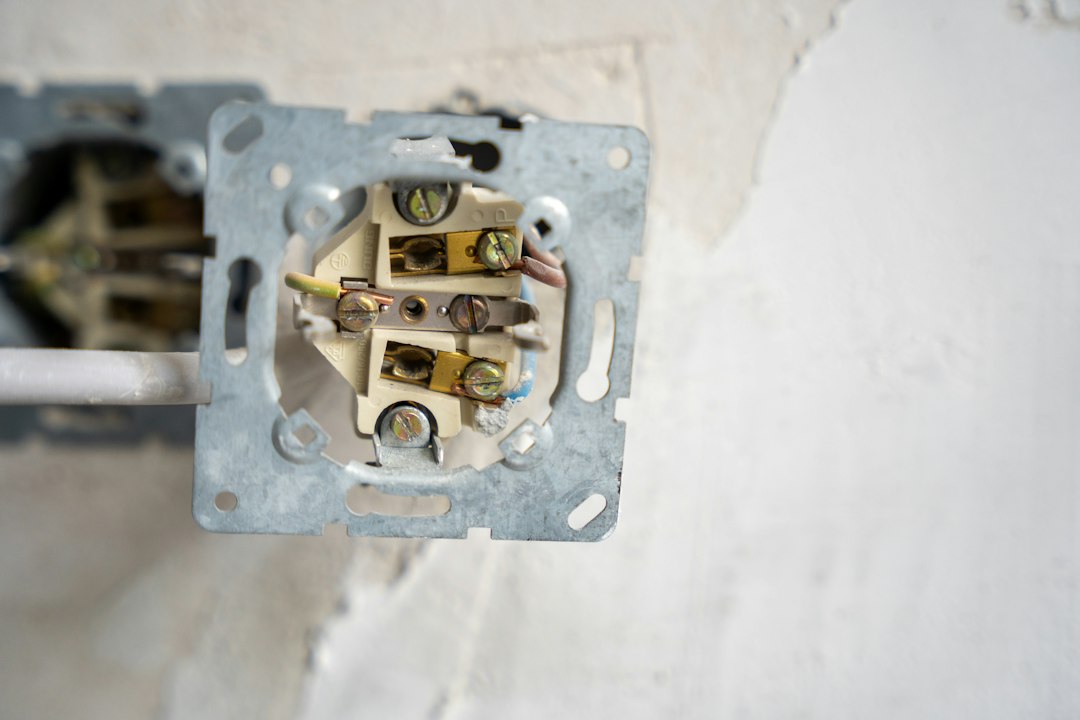
How to Diagnose Electrical AC Problems in 3 Easy-to-Follow StepsLearn how electrical connection problems cause AC breakdowns with 3 easy steps. Diagnose warning signs, prevent failures, and protect your system.
Read more
Why Does the Furnace Smell Like Burning Dust on the First Start?That sharp odor on the first chilly September night is alarming, but it rarely means your house is in danger. Learn how to tell harmless burning dust from a serious hazard.
Read more