Menu


Is a Heat Pump Water Heater Worth It? Here’s What Oregon Homeowners Need to Know
Understanding the heat pump water heater pros and cons is one of the smartest things you can do before replacing your current unit. Water heating accounts for roughly 14 to 18 percent of your home’s total energy use — making it one of the biggest hidden costs on your utility bill. So the type of water heater you choose really does matter.
Here’s a quick summary to answer the most common questions upfront:
Pros of Heat Pump Water Heaters:
• Use up to 70% less electricity than standard electric tank models
• Can save a household of four around $550 per year on water heating costs
• Lifespan of 10 to 15 years — longer than most traditional electric tanks
• Qualify for significant rebates and tax incentives
• Provide a bonus dehumidification and mild cooling effect in the installation space
• Lower carbon footprint compared to electric resistance or gas models
Cons of Heat Pump Water Heaters:
• Higher upfront cost than standard electric tanks
• Require 700 to 1,000 cubic feet of open air space around the unit
• Operate best in spaces that stay between 40°F and 90°F year-round
• Produce a low but noticeable noise level (roughly 45 to 60 decibels)
• Slower hot water recovery in heat-pump-only mode
• May need a dedicated 240V circuit depending on your electrical panel
For most homeowners replacing a standard electric water heater, the long-term savings and available incentives make heat pump water heaters a strong choice. But the right answer depends on your home, your climate, and your installation space.
In this guide, we’ll walk you through everything — how these units work, what they cost to run, how they perform in Oregon’s cooler months, and how they compare to gas, tankless, and traditional tank systems — so you can make a confident, informed decision.

Terms related to heat pump water heater pros and cons:
• do heat pump water heaters work in garages
• heat pump water heater energy savings explained
• what is a heat pump water heater
What is a Hybrid Water Heater and How Does It Work?
To truly evaluate a hybrid system, you first need to understand how it operates. Unlike a traditional electric water heater that uses electrical resistance elements to generate heat directly, a heat pump water heater (often called a hybrid water heater) works like a refrigerator in reverse. Instead of pumping heat out of a box to keep your food cold, it pulls heat from the surrounding air and transfers it into your water tank.
This process relies on a clever refrigeration cycle:
1. The Evaporator: A fan draws ambient air from the room through an air filter and across an evaporator coil. This coil contains a low-pressure liquid refrigerant that absorbs heat from the air, causing the refrigerant to evaporate into a gas.
2. The Compressor: The gaseous refrigerant travels to a compressor, which squeezes it. Compressing the gas raises its pressure and dramatically increases its temperature.
3. The Condenser: The hot gas passes through a condenser coil wrapped around the water tank. As the heat transfers from the hot refrigerant into the cooler water, the refrigerant cools down, condenses back into a liquid, and the cycle starts all over again.
Because the system is moving heat rather than creating it, it is incredibly efficient. In fact, these units can deliver between 300% and 400% efficiency, meaning they produce three to four times more heat energy than they consume in electrical energy.
The term “hybrid” comes into play because these units also contain standard backup electric resistance elements. If hot water demand spikes suddenly, or if the surrounding air temperature drops too low for the heat pump to work efficiently, the system automatically switches to hybrid or standard electric mode to ensure you do not run out of hot water. To explore this technology in greater detail, take a look at our Heat Pump Water Heaters Complete Guide.
Heat Pump Water Heater Pros and Cons: The Complete Breakdown
Every home upgrade is a balance of advantages and trade-offs. Deciding whether to install a hybrid system requires analyzing how the technology fits your specific household habits, physical space, and financial goals.
When we look at the heat pump water heater pros and cons, the primary trade-off is higher upfront investment versus massive operational savings over the lifespan of the unit. While standard electric resistance tanks are relatively inexpensive to purchase initially, they are notorious energy hogs. A hybrid model reverses this dynamic: you invest more during the initial installation, but you enjoy a rapid payback period (typically 3 to 6 years) followed by years of pure monthly utility savings.
The Major Advantages of Hybrid Water Heaters
The benefits of upgrading to a hybrid system extend far beyond simple energy efficiency. Here are the primary advantages that make these units so popular:
• Unmatched Energy Savings: By using up to 73% less electricity than traditional models, a hybrid system can save a household of four around $550 annually. Over a ten-year period, those savings can easily scale to $6,000, quickly wiping out the initial purchase price. For a deeper dive into the math, check out our article on Heat Pump Water Heater Energy Savings Explained.
• Built-In Dehumidification: Because the evaporator coil removes moisture from the air as it cools, the unit acts as a built-in dehumidifier. This is a massive benefit for damp basements or garages in Western Oregon, helping to prevent mold and mildew growth.
• Reduced Environmental Impact: Water heating accounts for a massive chunk of residential carbon emissions. Upgrading to a hybrid unit is one of the single most impactful steps you can take to lower your home’s carbon footprint.
• Longer Lifespan: Hybrid water heaters typically last 10 to 15 years, with some durable models pushing past 15 years with proper care. This is a notable step up from the 8 to 12 years expected from a standard electric resistance tank.
• Smart Connectivity and Scheduling: Many modern hybrid units feature advanced Wi-Fi scheduling. This allows you to program the unit to heat water during off-peak utility hours, saving you even more money if your local utility provider uses time-of-use pricing.
To learn more about how these benefits apply directly to your household comfort, read our detailed post on Heat Pump Water Heater Benefits for Homeowners.
The Potential Drawbacks and Limitations
While the advantages are compelling, hybrid systems do have a few limitations that you should consider before making the switch:
• Physical Space Requirements: Because these units rely on extracting heat from the surrounding air, they need plenty of space to breathe. Most models require between 700 and 1,000 cubic feet of open air space (about the size of a 10×10-foot room) to operate efficiently without cooling the room down excessively.
• Noise Levels: The built-in compressor and fan produce a humming sound while running, usually ranging from 45 to 60 decibels. While this is no louder than a standard window air conditioner or a modern refrigerator, you probably do not want to install one directly next to a bedroom or a quiet living area.
• Condensate Management: As the unit dehumidifies the air, it produces several gallons of condensation daily. This water must be safely routed away using a dedicated drain line, a nearby floor drain, or a small condensate pump.
• Slower Recovery Times: In “heat-pump-only” mode, these units heat water more slowly than standard electric or gas systems. While hybrid mode solves this issue by using backup elements during high-demand periods, relying heavily on backup elements will reduce your overall energy efficiency.
If you are wondering whether your garage or basement is a suitable location to mitigate these drawbacks, you will find helpful advice in our article, Do Heat Pump Water Heaters Work in Garages.
Installation Requirements and Climate Considerations
Getting the absolute best performance out of a hybrid water heater requires a proper installation environment. Unlike a standard electric tank that can be tucked away in a tiny, unventilated closet, a hybrid unit has strict physical and environmental demands.
First, let’s talk about physical space and airflow. If your utility closet is too small, the unit will quickly exhaust all the heat in the room, dropping the local temperature and forcing the system to run on its less efficient electric resistance backup elements. If you must install the unit in a tight space, it must be outfitted with louvered doors or dedicated ducting kits to draw warmer air from adjacent rooms or the outdoors.
Second, condensate drainage is non-negotiable. Because the unit pulls moisture out of the air, a drain line must be installed. If your garage or basement has a floor drain nearby, routing the line is simple. If not, we will need to install a small condensate pump to push the water up and out of the home or into an existing waste line.
Finally, your electrical panel must be evaluated. Standard hybrid units require a 240-volt, 30-amp circuit. If you are replacing an existing electric water heater, this wiring is likely already in place. However, if you are converting from a natural gas system, you may need a new circuit run from your electrical panel.
Evaluating Heat Pump Water Heater Pros and Cons in Cold Climates
A common concern among homeowners in the Pacific Northwest is how these units perform during our chilly winter months. Since the heat pump relies on drawing warmth from the surrounding air, its efficiency naturally drops as the ambient temperature decreases.
Most hybrid water heaters are designed to operate efficiently in spaces that stay between 40°F and 90°F year-round. In places like Portland, Hillsboro, or Oregon City, winter temperatures frequently drop below freezing. If your hybrid water heater is installed in an unconditioned garage or uninsulated crawlspace, the ambient temperature may dip below the unit’s threshold (typically around 37°F to 40°F).
When this happens, the system’s smart controls will automatically switch to backup electric resistance mode to keep your water hot. While this ensures you never have to take a cold shower, it does temporarily lower the unit’s efficiency to that of a standard electric water heater.
To maximize winter efficiency in Oregon, we highly recommend installing the unit in a semi-conditioned space, such as a basement, a furnace room, or a well-insulated garage. This ensures the unit has access to warmer ambient air year-round, keeping it in high-efficiency heat pump mode even during a winter cold snap.
Comparing Hybrid Systems to Other Water Heaters
To help you see how hybrid systems stack up against other popular options on the market, we have put together a direct comparison. Each system has distinct advantages depending on your fuel source, household size, and installation constraints.
• Energy Efficiency — Hybrid (Heat Pump): Extremely High (3.0 – 4.0 UEF) — Tankless (On-Demand): High (0.80 – 0.95 UEF) — Standard Electric Tank: Low (0.90 – 0.93 UEF) — Standard Gas Tank: Low to Mid (0.60 – 0.70 UEF)
• Upfront Investment — Hybrid (Heat Pump): Moderate to High — Tankless (On-Demand): High — Standard Electric Tank: Low — Standard Gas Tank: Low to Moderate
• Annual Operating Cost — Hybrid (Heat Pump): Lowest — Tankless (On-Demand): Low to Moderate — Standard Electric Tank: Highest — Standard Gas Tank: Moderate
• Typical Lifespan — Hybrid (Heat Pump): 10 – 15 Years — Tankless (On-Demand): 15 – 20 Years — Standard Electric Tank: 8 – 12 Years — Standard Gas Tank: 8 – 12 Years
• Space Requirements — Hybrid (Heat Pump): Large (700+ cu. ft. needed) — Tankless (On-Demand): Very Small (Wall-mounted) — Standard Electric Tank: Minimal — Standard Gas Tank: Minimal
• Primary Benefit — Hybrid (Heat Pump): Maximum energy savings — Tankless (On-Demand): Endless hot water — Standard Electric Tank: Lowest initial purchase price — Standard Gas Tank: Quick recovery times
For a comprehensive head-to-head comparison of these systems, you can read our detailed guide on the Tankless vs Tank vs Heat Pump Water Heater Comparison.
How Heat Pump Water Heater Pros and Cons Compare to Traditional Systems
When comparing a hybrid water heater to a standard electric resistance tank, the hybrid unit wins easily on long-term value. Traditional electric tanks operate at a Uniform Energy Factor (UEF) of around 0.90 to 0.93, meaning they lose a small amount of energy during the heating process. Hybrid units, with UEF ratings between 3.0 and 4.0, are roughly three to four times more efficient. This massive jump in efficiency translates directly to hundreds of dollars saved on your electric bill every year.
Compared to gas systems, hybrid water heaters offer a safer, combustion-free alternative. Traditional gas tanks require proper venting to prevent carbon monoxide leaks and rely on fossil fuels. Transitioning to a hybrid electric system allows you to take advantage of clean, renewable electricity while eliminating the safety risks associated with gas lines and combustion.
If your primary goal is reducing your home’s environmental impact while keeping your utility bills as low as possible, a hybrid system is often the clear winner. You can explore how different systems stack up in terms of environmental impact in our articles on Which Water Heater Saves the Most Energy and Energy Efficient Water Heater Options Compared.
Frequently Asked Questions About Hybrid Water Heaters
Upgrading your water heater is a long-term investment, and it is completely normal to have questions about what to expect after the installation is complete.
Do hybrid water heaters require a lot of maintenance?
Not at all, but they do require a little more attention than a standard “set-it-and-forget-it” electric tank. To keep your hybrid system running at peak efficiency, you should perform three basic maintenance tasks:
1. Clean the Air Filter: The fan draws in room air, and the built-in filter catches dust and debris. We recommend sliding the filter out and rinsing it every three months to maintain proper airflow.
2. Check the Condensate Line: Make sure the drain line or condensate pump is clear of obstructions so water can flow freely.
3. Inspect the Anode Rod: Just like a traditional tank, a hybrid system uses a sacrificial anode rod to protect the inside of the steel tank from corrosion. Having a professional check this rod every 3 to 5 years can significantly extend the life of your unit.
Are there tax credits or rebates available for these units?
Yes! Because hybrid water heaters are so energy-efficient, they qualify for some of the best incentives available.
Under the federal Energy Efficient Home Improvement Credit (Section 25C), qualifying ENERGY STAR certified hybrid water heaters are eligible for a 30% federal tax credit up to a maximum of $2,000. Additionally, local utility companies throughout the Portland metro area offer substantial rebates to help offset the initial installation cost.
To make sure you do not leave any money on the table, review our guides on Federal Tax Credits for Heat Pump and Water Heater Upgrades and Heat Pump Water Heater Rebates and Incentives.
How long do heat pump water heaters typically last?
A high-quality, professionally installed hybrid water heater typically lasts between 10 and 15 years. With regular maintenance—such as cleaning the air filter, flushing the tank annually to prevent sediment buildup, and replacing the anode rod when necessary—many units can easily reach the 15-year mark. This durability makes them a highly reliable, long-term solution for your home.
Conclusion
Weighing the heat pump water heater pros and cons makes it clear that while these advanced systems require a bit more planning and initial investment, the long-term energy savings, environmental benefits, and built-in dehumidification make them an exceptional upgrade for most Oregon homes.
At Best Owner Direct HVAC & Electrical, we are proud to serve families across Cornelius, Hillsboro, Beaverton, Portland, and the surrounding areas. As a family-owned business, we focus on providing top-tier workmanship, transparent service, and reliable, energy-efficient solutions that keep your home comfortable and safe year-round.
If you are ready to slash your monthly energy bills and enjoy reliable hot water, we are here to help. Contact us today to Schedule a professional water heater consultation in Cornelius, OR and find the perfect water heating system for your home.


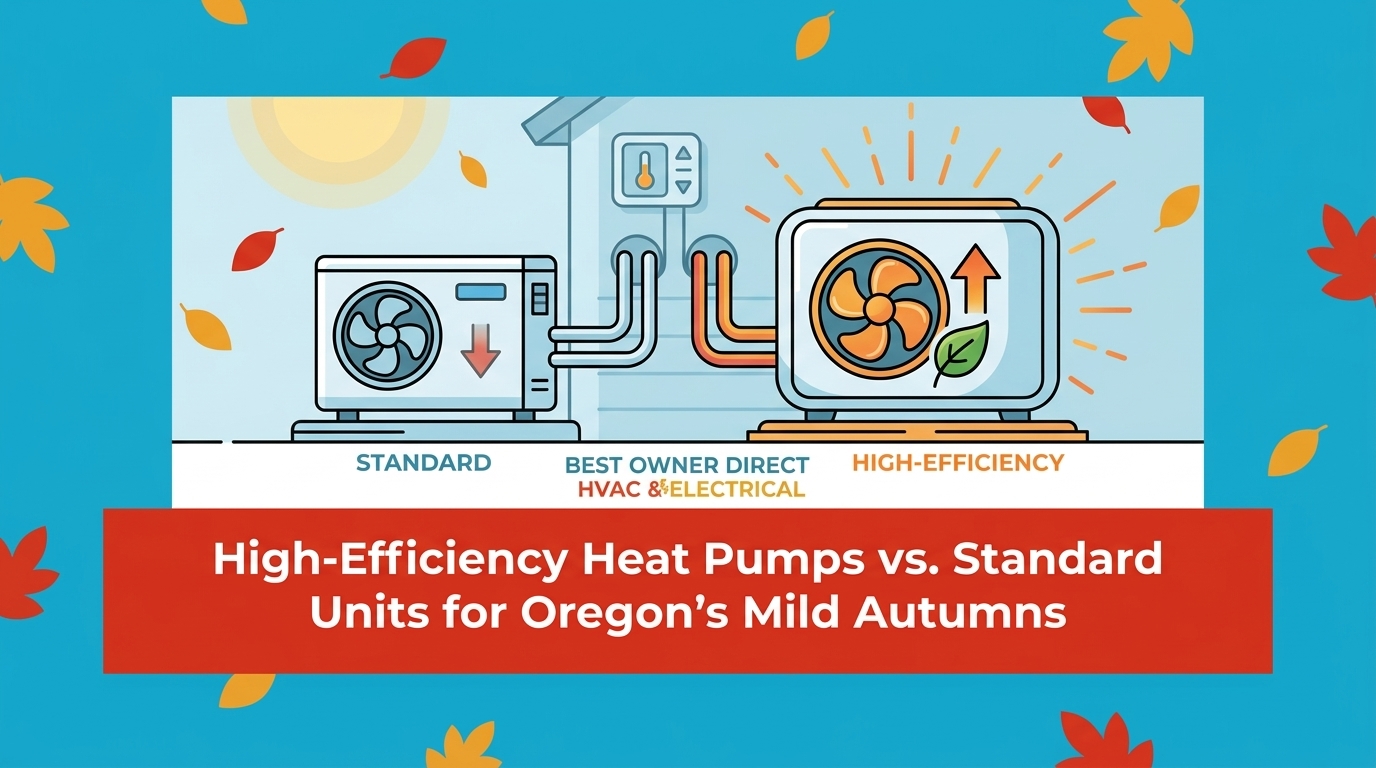
High-Efficiency Heat Pumps vs. Standard Units for Oregon's Mild AutumnsStandard heat pumps often blast too much heat on chilly fall mornings, causing uncomfortable temperature swings. Inverter-driven systems solve this by providing gentle, constant warmth.
Read more
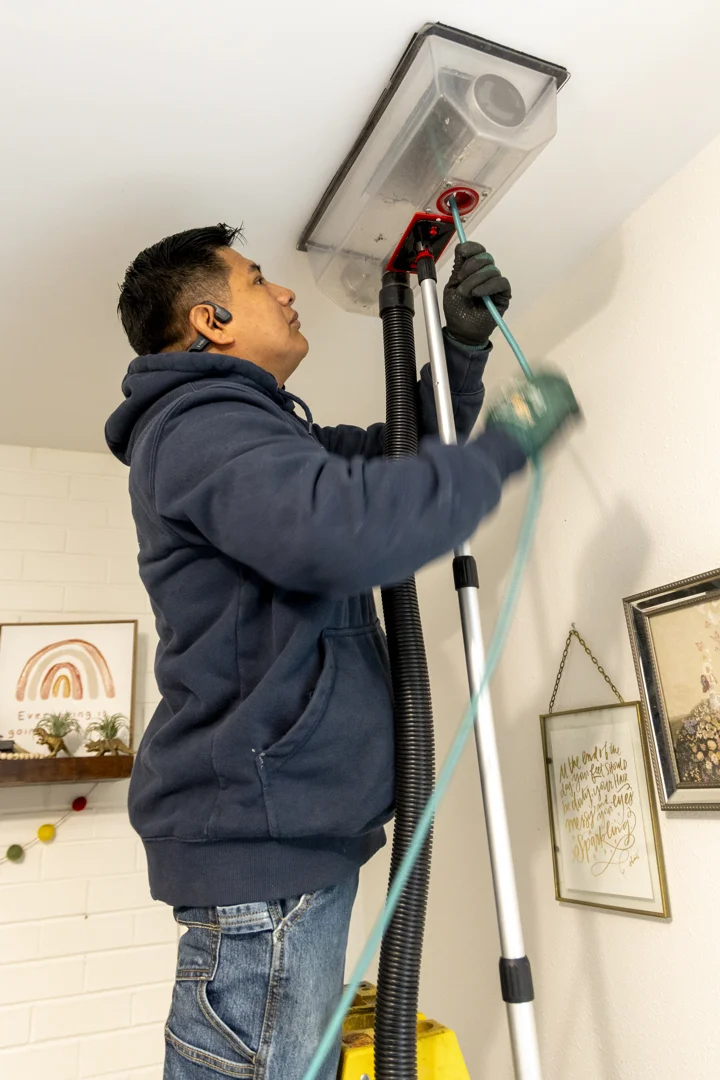
How Airflow Affects Your AC Performance: A Practical GuideLearn how airflow affects your air conditioners performance, from coil freeze-ups to uneven cooling, and optimize your system's efficiency.
Read more
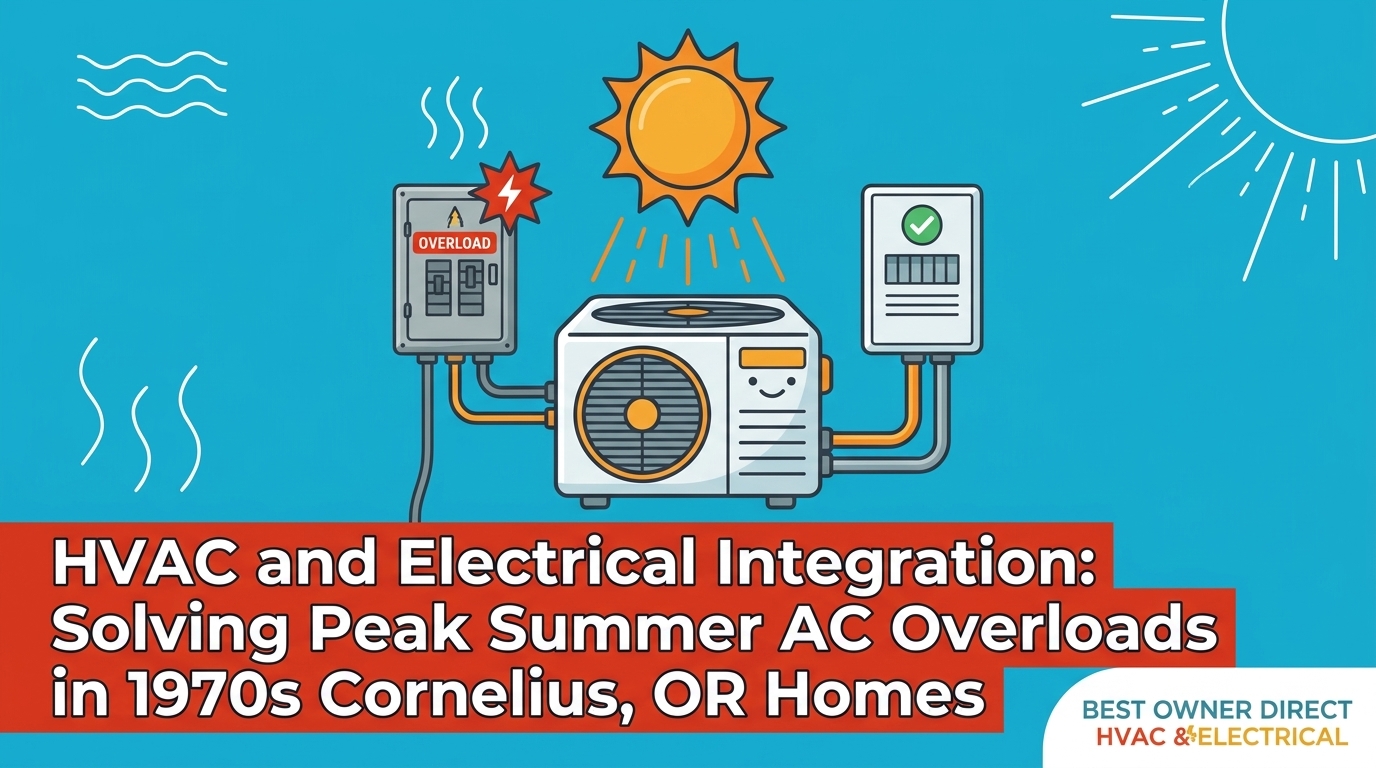
How Cornelius Homes Handle Peak Summer AC Loads on Older Electrical PanelsModern AC units often overwhelm aging 1970s electrical panels during intense summer heat. Review the warning signs and specific upgrades needed to keep your home safely cooled.
Read more